
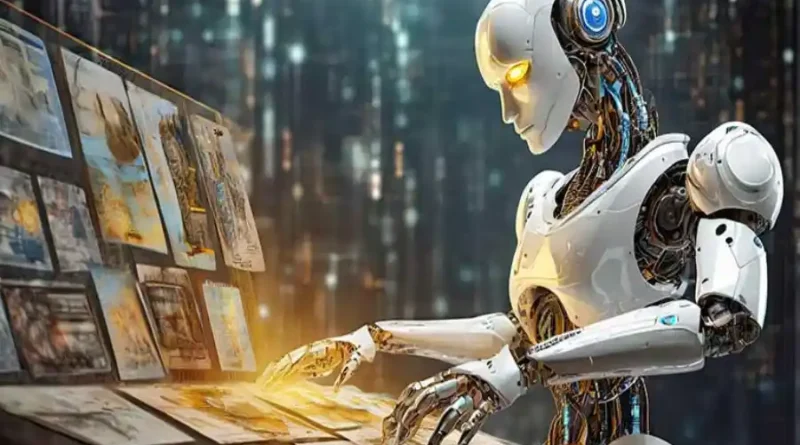
How AI Image Generators Are Changing the Way We Create Digital Visuals
Creating digital images used to require a combination of design skills, editing software, and plenty of time. Even a simple illustration could involve choosing the right colors, finding suitable images, removing backgrounds, adjusting lighting, and making several rounds of edits.
AI has changed that process.
Today, AI-powered image tools can turn written descriptions into visual content in a matter of seconds. They can help people create illustrations, concept art, social media graphics, marketing visuals, product ideas, and many other types of digital content without requiring advanced design experience.
This shift does not mean traditional design skills are becoming useless. Instead, AI image generation is giving creators another way to move from an idea to a visual result. The biggest change is that the starting point is often a simple text description rather than a blank design canvas.
What Is an AI Image Generator?
An AI image generator is a software tool that uses artificial intelligence to create or modify images based on instructions.
A user might describe something such as:
“A modern home office with large windows, natural daylight, wooden furniture, and a laptop on the desk.”
The system analyzes the description and generates an image based on the requested elements.
Modern image-generation systems can understand more than individual objects. They can often interpret relationships between objects, visual styles, lighting conditions, compositions, colors, and environments.
This makes the technology useful for both creative and practical tasks.
For example, a blogger could use an AI image generator to create a featured image for an article. A social media manager could develop a visual concept for a campaign. A business owner could create an early concept for a product presentation. A designer could use generated images as references during the early stages of a project.
The quality of the result depends on several factors, including the AI model, the prompt, image settings, and how clearly the desired result is described.
Why AI Image Generation Has Become Popular
One of the main reasons these tools have gained attention is speed.
Traditional image creation can involve multiple steps. A creator may need to search for suitable photographs, purchase stock images, edit them, or create artwork from scratch. AI can shorten some of those steps by generating an initial visual directly from an idea.
Accessibility is another important factor.
People who are comfortable writing but have limited experience with professional design software can use natural language to communicate what they want. This lowers the technical barrier between having an idea and producing a visual representation of it.
AI image tools can also make experimentation easier.
Instead of spending hours creating one design, a creator can generate several concepts and compare them. This is particularly useful during brainstorming, when the goal is to explore possibilities rather than produce a final image immediately.
How AI Image Generators Work
Although the technology behind modern image generation is complex, the basic user experience is relatively simple.
The process generally starts with a prompt. The prompt describes the desired image, including details such as the subject, setting, composition, mood, lighting, and style.
The AI model then interprets the text and generates an image that attempts to match those instructions.
Different systems use different underlying models and techniques, so their results can vary considerably. Some may be particularly strong at photorealistic images, while others may perform well with illustrations, artistic compositions, or specific editing tasks.
The process is not necessarily limited to generating an image from scratch. Many modern tools also provide features for modifying an existing image, changing visual elements, expanding an image, removing unwanted objects, or creating variations.
This makes AI increasingly useful as part of an editing workflow rather than simply as a one-click image creator.
Writing Better Prompts Matters
The quality of an AI-generated image often depends on how clearly the request is communicated.
A short prompt can work, but adding useful visual information can give the system more direction.
For example, instead of writing:
“A laptop on a desk.”
A more descriptive prompt could say:
“A modern silver laptop on a clean wooden desk in a bright home office, with natural morning light coming through a large window and a soft background blur.”
The second description provides information about the subject, environment, lighting, and photographic appearance.
However, adding more words does not automatically guarantee a better image. The goal should be clarity rather than unnecessary detail.
A good prompt normally focuses on the elements that actually matter to the intended result.
AI Image Generation for Bloggers
Blogging is one area where AI-generated visuals can be useful.
A strong featured image can help communicate the subject of an article before a reader begins reading. Traditionally, bloggers have relied on stock photography or custom graphics. AI offers another option when a specific scene is difficult to find.
For example, an article about smart homes could require an image showing several connected devices in one realistic environment. Finding the exact stock photograph may be difficult.
With an AI image generator, a blogger can describe the desired scene and produce a visual concept that matches the article more closely.
AI-generated images can also be useful for supporting sections of longer articles. A technology article might need an illustration showing how a particular process works, while a home improvement article could benefit from a visual representation of a finished project.
The important point is relevance. An image should help readers understand or connect with the subject rather than simply being added to make the page look fuller.
AI Images for Social Media
Social media platforms are highly visual, which makes AI image generation useful for content creators and marketers.
A creator may need several images for a campaign, but manually producing each design can take considerable time. AI can help generate initial concepts that can then be edited to fit the required format.
For example, a creator could generate a lifestyle scene and adapt it for different social platforms.
The generated image may still require adjustments. Text, branding, dimensions, and other design elements are often easier to control in a dedicated editor. In this sense, AI can work as one part of a larger creative process.
Creating Images With Newer AI Models
The development of AI image technology is moving quickly. Newer models are becoming better at interpreting detailed instructions and producing more consistent visual results.
Tools built around newer image-generation models can be particularly useful when creators need to experiment with different visual concepts without starting each design manually.
For people interested in experimenting with newer image-generation capabilities, an AI image generator can provide a straightforward way to turn written ideas into visual concepts.
The value of these tools is not limited to professional designers. Students, bloggers, entrepreneurs, content creators, and casual users can all use image generation for different purposes.
Understanding ChatGPT Images 2.5
Another area attracting attention is the development of newer image models designed to understand natural-language instructions more effectively.
ChatGPT Images 2.5 is an example of a tool focused on AI-assisted image creation. Like other modern image-generation systems, the usefulness of such technology depends on how well the model understands the user’s instructions and how much control the workflow provides.
For users, the most important consideration is not simply the model’s name. What matters is whether the tool can produce the type of image required for a particular project and whether the creator can make adjustments when the first result is not quite right.
This is an important distinction because AI-generated images rarely need to be treated as final on the first attempt.
AI Image Generation Is Usually an Iterative Process
One of the biggest misunderstandings about AI image creation is the idea that a perfect image will always appear after entering one prompt.
In practice, creators often need to experiment.
The first image might have the right subject but the wrong composition. Another version might have better lighting but contain unwanted objects. A third attempt might be closer to the desired result but require additional editing.
This process is similar to other forms of creative work.
A photographer may take multiple photographs before selecting one. A designer may create several layouts before choosing a final version. A writer may edit a paragraph several times.
AI image generation follows a similar pattern. The technology can speed up the process, but human judgment remains important.
Where AI Images Can Fall Short
Despite rapid improvements, AI-generated images still have limitations.
One issue is consistency. If a creator needs the same character, product, or environment across multiple images, maintaining identical details can be challenging depending on the tool and workflow.
Another issue is accuracy.
AI-generated visuals should not automatically be treated as factual representations. This matters particularly when creating educational, scientific, historical, medical, or news-related imagery.
For example, an AI-generated image of a historical event may look convincing while containing details that are historically inaccurate.
There can also be problems with small visual details. Hands, text, signs, product labels, and complex objects have historically been difficult for image-generation systems, although newer models have improved in many of these areas.
For professional work, generated images should therefore be reviewed carefully before publication.
AI Images and Copyright Considerations
Copyright is another important consideration.
The legal treatment of AI-generated content can vary depending on the country, the way the image was created, and whether copyrighted material or recognizable individuals are involved.
Creators should also review the terms of the specific AI tool they use. Different services can have different rules regarding commercial use, ownership, attribution, and generated content.
Businesses should be especially careful when using AI-generated visuals for advertisements, products, websites, or other commercial materials.
It is also important to avoid assuming that an AI-generated image is automatically free from every legal or ethical concern simply because it was created by software.
AI Does Not Replace Human Creativity
AI image generation may automate parts of the visual creation process, but the person using the tool still makes important decisions.
Someone has to decide what the image should communicate, which visual direction makes sense, whether the result is accurate, and how it should be used.
This is particularly important for businesses and publishers.
A generated image might technically match a prompt while failing to communicate the intended message. A human can recognize that difference much more easily than a system following instructions.
As a result, AI is often most useful when treated as a creative assistant rather than a complete replacement for human judgment.
Choosing the Right AI Image Tool
There are many AI image-generation tools available, and they do not all work in exactly the same way.
Before choosing one, users should consider what they actually need.
Image Quality
Look at the type of images the tool produces. If the project requires realistic photography, choose a tool that performs well with realistic scenes. For illustrations or artistic work, other systems may be more suitable.
Prompt Understanding
A useful system should understand reasonably detailed instructions and produce results that are close to the requested concept.
Editing Features
Generation is only one part of the process. Tools that also offer editing capabilities can be useful when an image needs additional changes.
Ease of Use
A complicated interface can slow down the creative process. Beginners may prefer a tool that allows them to work with straightforward natural-language prompts.
Usage Rights
For commercial projects, always check the tool’s current terms regarding generated content and commercial use.
How Businesses Can Use AI-Generated Images
Businesses can use AI-generated visuals for brainstorming, presentations, marketing concepts, social media content, website graphics, and internal projects.
For example, a small business preparing a new campaign could generate several visual directions before investing in professional photography or a larger design project.
AI can also help teams communicate ideas internally. A rough visual concept can sometimes explain a proposed design more effectively than a written description.
However, businesses should maintain consistent branding. Generated images should match the company’s visual identity, audience, and communication style rather than being used simply because they are easy to produce.
AI Image Generation in Education
Students and teachers can also find useful applications for AI-generated visuals.
A teacher might create an illustration to explain a concept, while a student could use generated imagery as part of a presentation or creative project.
There is an important distinction between using AI as a learning aid and allowing it to replace the student’s own work. Educational institutions may have specific policies regarding AI-generated content, so students should follow the rules that apply to their assignments.
AI images can be especially useful when a concept is difficult to explain with words alone.
Final Thoughts
AI image generators are changing the process of creating digital visuals by making image creation more accessible and reducing the time required to test creative ideas.
They can help bloggers, designers, marketers, businesses, students, and everyday users turn written concepts into visual content. Newer image models are also improving how AI understands descriptions, compositions, and visual details.
However, AI-generated content still benefits from human review. The best results usually come from a combination of clear instructions, experimentation, editing, and human judgment.
As the technology continues to develop, the most useful role for AI may not be replacing creativity but making it easier for more people to bring their ideas to life.
