
Benefits of Asphalt Millings for Sustainable Construction
The demand for sustainable construction practices continues to rise, and asphalt millings, also known as reclaimed asphalt pavement (RAP), have become a popular solution. By utilizing asphalt millings in various projects, the industry achieves both economic and environmental benefits. Not only do asphalt millings promote the recycling of old materials, but they also help construction professionals reduce their carbon footprint and the amount of waste sent to landfills.
As regulations tighten and the construction sector faces increasing scrutiny regarding sustainability, incorporating millings from existing roads and driveways offers clear advantages. Asphalt millings are created during the grinding or milling of old asphalt surfaces, which would otherwise become waste. By repurposing this material, companies curtail the demand for new raw materials while addressing the urgent need for eco-friendly construction solutions.
Reducing Landfill Waste
One of the most tangible benefits of using asphalt millings is the significant reduction in landfill waste. Every year, millions of tons of old pavement are removed from roadways, driveways, and parking lots. Recycling this material as millings means that instead of filling landfill space, the old pavement is reused in new projects. This approach not only conserves valuable landfill space but also directly reduces disposal costs for construction firms. Across the United States, agencies and local governments are now prioritizing recycled materials to reduce waste and meet sustainability targets.
Conserving Natural Resources
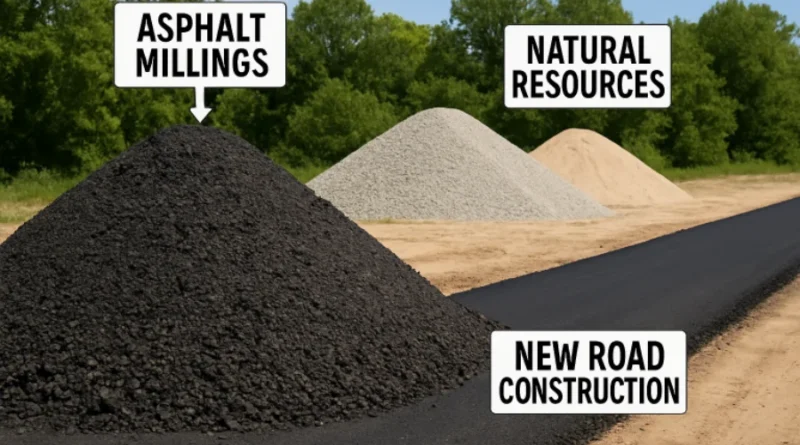
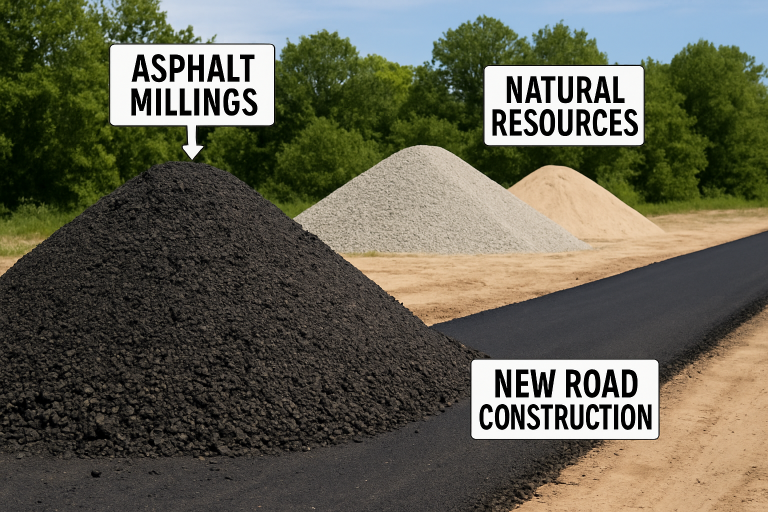
Traditional asphalt relies heavily on new aggregates such as gravel and sand, as well as bitumen, a petroleum-based binder. Mining and refining these virgin materials consume significant energy and impact ecosystems, often leading to habitat loss and increased pollution. Utilizing recycled asphalt millings drastically reduces the need for newly mined materials, conserving finite resources and reducing environmental degradation. As the supply of high-quality natural aggregates becomes more limited, the value of reclaimed materials continues to rise in the eyes of both policymakers and construction professionals. Learn more about material flow and benefits through this recent EPA report on sustainable management of construction materials.
Lowering Greenhouse Gas Emissions
The production and transport of new asphalt and aggregate are energy-intensive processes that generate significant emissions. By reusing existing asphalt millings, companies report substantial reductions in energy consumption and, consequently, in greenhouse gas emissions. Producing recycled asphalt requires less heat and fewer chemical processes than manufacturing new asphalt, leading to an overall reduction in carbon dioxide emissions. Furthermore, advances in warm-mix asphalt production have enabled further reductions in energy requirements, making the process more sustainable and cost-effective for road construction and repairs.
Enhancing Durability and Performance
Durability is crucial in construction, and asphalt millings do not disappoint. When properly processed, these materials create a strong, stable surface suitable for heavy traffic and inclement weather. The binding properties in recycled asphalt can even make some surfaces less susceptible to cracking and pothole formation than common alternatives. Over time, this increased durability translates into fewer repairs or complete replacements, extending the lifespan of roads and driveways while minimizing disruptions and resource use.
Cost-Effectiveness
The use of recycled asphalt is not only environmentally friendly but also budget-conscious. Asphalt millings are often available at a fraction of the cost of new asphalt, allowing construction budgets to stretch further without compromising quality or performance. The savings come from reduced raw material use, lower energy needs during production, and decreased transportation expenses. For municipalities or private developers operating under tight financial constraints, these savings can be substantial and significantly improve overall project feasibility.
Versatility in Applications
Asphalt millings are highly versatile and adaptable to a variety of construction uses. From paving driveways, pathways, and parking lots to road repairs and fill projects, the material demonstrates flexibility and reliability across applications. Its ease of application allows contractors to quickly create sturdy, weather-resistant surfaces, making it a favorite for both small and large-scale projects. As adoption spreads, asphalt millings are increasingly recognized as a strategic tool for promoting sustainable construction methods across the industry.
Final Thoughts
The integration of asphalt millings into construction and paving projects provides clear benefits that support both the environment and the bottom line. By reducing landfill waste, conserving valuable natural resources, cutting greenhouse emissions, enhancing surface durability, and providing unparalleled cost savings, recycled asphalt is laying the groundwork for more responsible, resilient development practices. As the construction industry continues to evolve, solutions like asphalt millings will become even more crucial in meeting sustainability goals while delivering quality results.
Visit the rest of the site for more interesting and useful articles.
