
Common Plumbing Problems and How to Prevent Them
Plumbing problems can cause unexpected disruptions in your daily life and lead to expensive repairs if not handled promptly. Recognizing the typical plumbing issues faced by most homeowners, along with proactive measures, can help you avoid emergencies and save money. Emergency plumbing services in Annapolis are available if you require immediate assistance for issues that can’t wait for routine maintenance.
Understanding prevention techniques is just as crucial as knowing the signs of trouble. From persistent drips to major leaks, each problem typically starts small but can develop into something more significant if left unaddressed.
Taking preventive action, such as regular inspections and maintenance, not only prolongs the lifespan of your plumbing system but also protects your home’s value. By being attentive and informed, homeowners can manage minor plumbing concerns before they escalate into significant issues.
Many plumbing failures, ranging from leaky faucets to severe backups, share similar root causes, meaning the solutions are often within your grasp. Developing a habit of monitoring your home’s plumbing can create peace of mind and significant cost savings through prevention and early detection.
Leaky Faucets
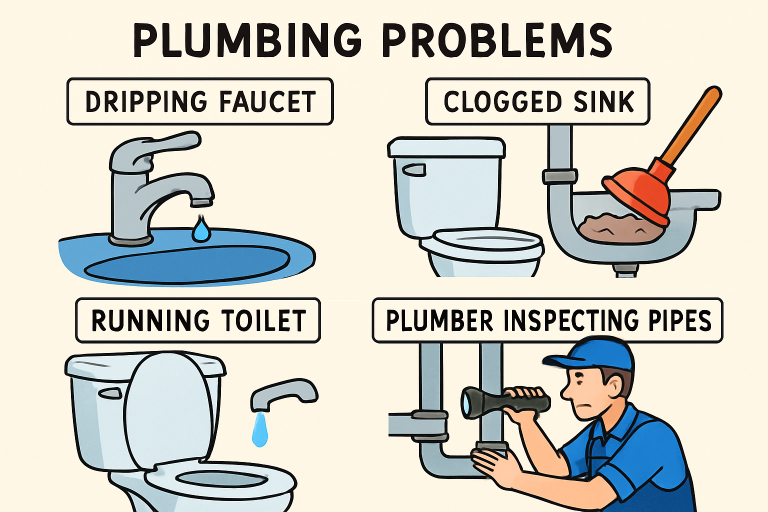
Leaky faucets are one of the most common and easily overlooked issues in any home. While a drip may seem insignificant, it can waste gallons of water over time, resulting in higher water bills and unnecessary strain on local water supplies. The primary culprit is often a worn-out washer or seal inside the faucet. Regularly checking and replacing these parts can keep your faucets drip-free and efficient. According to the U.S. Environmental Protection Agency (EPA), fixing easily corrected leaks can save homeowners about 10% on their water bills.
Clogged Drains
Clogs typically occur when substances such as hair, grease, soap scum, and foreign objects accumulate in the pipes. Clogged drains not only slow water flow but can sometimes lead to foul odors and unsanitary conditions. To prevent this, use drain strainers in sinks and tubs to catch debris, and refrain from pouring grease or food scraps down the drain. Routine cleaning with a natural solution of baking soda and vinegar can also keep pipes clear without the wear and tear caused by harsh chemicals.
Running Toilets
Few things are more frustrating—and expensive—than a toilet that won’t stop running. A running toilet can waste significant amounts of water in a short time. Typically, the problem is due to a worn or misaligned flapper or a faulty fill valve. Both components are inexpensive and easy to replace with basic tools, restoring proper operation and saving hundreds of gallons of water weekly.
Low Water Pressure
Low water pressure is frequently caused by sediment buildup or hidden leaks in the plumbing. Over time, minerals and debris can accumulate in aerators and showerheads, which can hinder the flow. Cleaning these fixtures regularly can often restore pressure. If pressure remains low despite these efforts, it may indicate a more serious issue, such as a leak or a corroded pipe, which a qualified plumber should examine.
Water Heater Issues
Consistent hot water is essential for comfort and hygiene. Common problems with water heaters include inconsistent water temperature, strange noises, or visible leaks. These issues often arise due to sediment buildup, which lowers efficiency and can damage heating elements. Flushing your water heater annually and inspecting the anode rod can prevent long-term damage and ensure efficient operation. If you notice rust-colored water or leaks, seek professional help immediately to avoid further complications.
Frozen Pipes
In colder climates, pipes can freeze during extreme cold snaps. Water expands as it freezes, which can cause pipes to burst and lead to extensive water damage. Preventing this disaster involves insulating pipes in exposed areas such as attics and basements. Letting faucets drip slightly during freezes keeps water moving and reduces the risk of freezing. Maintaining indoor temperatures above 50°F (10°C) is also critical for prevention.
Sewer System Backup
Sewer backups are inconvenient and pose serious health risks. Tree roots, improper disposal of items (such as wipes and hygiene products), and grease buildup are common causes of clogged drains. To avoid backups, schedule annual inspections, only flush toilet paper, and refrain from pouring fats or oils down household drains. Early intervention by professionals can prevent small issues from escalating into catastrophic events.
Hard Water Problems
Hard water contains high levels of minerals, such as calcium and magnesium. Over time, these minerals can accumulate as scale inside your pipes and appliances, reducing the lifespan and efficiency of your plumbing. Installing a water softener is the most effective solution, as it removes minerals before they can build up. You’ll notice softer water, cleaner dishes, and longer-lasting appliances after installation.
Final Thoughts
By being proactive and performing regular checks and maintenance, you can stop most plumbing issues before they start. Knowing when to call in experts, such as those offering emergency plumbing services in Annapolis, can make a significant difference between a simple fix and a costly repair. Staying vigilant means enjoying a safer, more efficient, and comfortable home environment for years to come.
Visit the rest of the site for more interesting and useful articles.
