
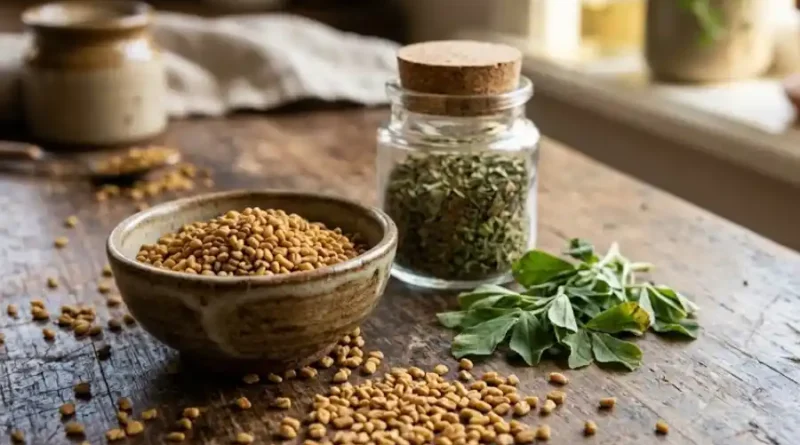
: Foenegriek: 9 Surprising Benefits of This Tiny Seed (And How to Use It Starting Today)
Most people walk right past it in the spice aisle. But foenegriek has quietly been one of nature’s best-kept secrets for over 4,000 years.
What is foenegriek?
Foenegriek is the Dutch name for fenugreek. Its scientific name is Trigonella foenum-graecum. It belongs to the same plant family as beans and lentils. The plant grows small golden-brown seeds. You can also eat the fresh green leaves.
You might know it by other names. In India, people call it “methi.” In English-speaking countries, it is simply “fenugreek.” Whatever you call it, it is the same powerful little plant.
People use it in two ways: as a spice in cooking and as a natural health remedy. Both uses have been around for thousands of years. Today, researchers are studying it more closely. And what they are finding is pretty impressive.
Where does it come from?
Foenegriek has roots all over the world. Ancient Egyptians used it for medicine and even in their burial rituals. Indian Ayurvedic healers used it to treat digestion problems and hormonal issues. Chinese medicine practitioners included it for kidney health. Middle Eastern cooks added it to breads and stews.
Today, India grows most of the world’s supply. But you can find foenegriek seeds and powder in grocery stores almost everywhere.
What does foenegriek contain? (The nutrition facts)
Before we get to the benefits, let’s look at what is actually inside those tiny seeds. Per 100 grams of foenegriek seeds, here is what you get:
| Nutrient | Amount | Why it matters |
|---|---|---|
| Fiber | ~45g | Feeds your gut, slows sugar absorption |
| Protein | ~23g | Builds and repairs body tissues |
| Iron | ~34mg | Keeps energy levels up, prevents fatigue |
| Magnesium | ~191mg | Supports muscles and sleep quality |
| Manganese | ~1.2mg | Supports bone health and metabolism |
| Vitamin B6 | ~0.6mg | Helps brain function and mood |
It also contains a special fiber called galactomannan and an amino acid called 4-hydroxyisoleucine. These two are the real stars when it comes to blood sugar control.
9 benefits of foenegriek you need to know
1. It helps keep your blood sugar steady
This is probably the most studied benefit. The soluble fiber in foenegriek turns into a gel in your stomach. That gel slows down how fast your body absorbs sugar after meals. The result? No big sugar spikes. No energy crashes afterward.
Small studies have shown modest drops in fasting blood sugar for people with type 2 diabetes. It is not a replacement for medication. But it can be a smart addition to a healthy routine. Always talk to your doctor first if you are on diabetes medication.
2. It supports digestion
Feeling bloated? Constipated? Foenegriek can help. Its mucilage, a gel-like substance inside the seeds, coats the inside of your digestive tract. This soothes irritation and makes bowel movements easier. The high fiber also feeds the good bacteria in your gut.
Quick tip: Soak one teaspoon of seeds in water overnight. Drink the water in the morning on an empty stomach. Many people find this helps with morning bloating and irregular digestion within a few days.
3. Nursing moms have relied on it for generations
Ask any nursing mother in South Asia or the Middle East about foenegriek. They will likely nod and smile. This herb has been used for generations to increase breast milk supply. It contains compounds called galactagogues that help stimulate milk production.
Some small studies back this up. Results vary from person to person, but many mothers notice a difference within a few days of use.
Important: If you are pregnant, avoid taking foenegriek in large amounts. It may stimulate uterine contractions. Stick to normal food amounts during pregnancy. Always check with your doctor first.
4. It may support heart health
Foenegriek’s fiber can bind to cholesterol in your gut and help remove it from your body. Some studies suggest it helps lower “bad” LDL cholesterol and triglycerides. Over time, this can take some pressure off your heart and arteries.
5. It helps with women’s hormonal health
Foenegriek contains natural plant compounds called phytoestrogens. These act like mild estrogen in the body. This is why it is often used to ease period cramps, PMS symptoms, and even hot flashes during menopause.
It does not replace hormone therapy. But as a gentle, daily food addition, many women find it genuinely helpful.
6. It can help you feel full longer
Here is a benefit weight-conscious readers will love. That same gel-forming fiber also slows your digestion in a way that makes you feel full for longer after eating. Less hunger between meals. Less snacking. Simpler portion control. It is not magic, but it is real support.
7. It is good for your skin
Foenegriek is packed with antioxidants. Antioxidants fight the damage that causes dull, aging skin. Many people use soaked seeds to make face masks. These can soothe redness, reduce breakouts, and help tighten pores. Its antifungal properties also help with dandruff and scalp irritation.
8. It may support testosterone levels in men
This one surprises many people. Foenegriek contains furostanolic saponins, compounds that may help the body maintain healthy testosterone levels. Some studies show improvements in libido and energy. Results are not dramatic, and research is still ongoing, but the early signs are promising.
9. It helps your hair grow stronger
Soak the seeds, grind them into a paste, and massage it into your scalp. This is one of the oldest hair care secrets from India. The vitamins and proteins in foenegriek nourish hair follicles. Regular use may reduce hair fall and add visible shine.
The one thing nobody warns you about
Here is something most articles skip right over. When you start using foenegriek regularly, your sweat and urine might start to smell like maple syrup. Yes, really.
It is completely harmless. It is caused by a compound called sotolon that your body releases. But it can be surprising if you are not expecting it. Consider yourself warned. You are welcome.
How to use foenegriek: a simple beginner’s guide
Not sure where to start? Here are the most common ways to add it to your daily life:
How much is safe?
For most healthy adults, 1 to 2 teaspoons of seeds per day is a reasonable starting point. If you are taking supplements, follow the label instructions. More is not always better. Overdoing it can cause stomach upset, diarrhea, or cramping.
Common myths about foenegriek
| The myth | The truth |
|---|---|
| “It cures diabetes” | It supports blood sugar management. It does not cure diabetes. Always keep your doctor in the loop. |
| “More seeds = more benefits” | Wrong. High doses cause digestive side effects. Stick to moderate amounts. |
| “Only women should use it” | Men benefit too, especially for testosterone support, digestion, and cholesterol. |
| “It works overnight” | Most benefits appear after 2 to 4 weeks of consistent daily use. Patience is key. |
| “It tastes awful” | The seeds are bitter alone. But when cooked with spices, or soaked first, they mellow out beautifully. |
Possible side effects to watch for
- Mild bloating or gas, especially when first starting out
- Loose stools if you take too much at once
- Maple syrup smell in sweat or urine (harmless, but surprising)
- Allergic reactions in rare cases (stop use if you notice skin rashes)
- Low blood sugar if combined with diabetes medication without supervision
If you are pregnant, on blood thinners, or managing a chronic health condition, talk to your doctor before adding foenegriek supplements to your routine. Using it as a cooking spice in normal food amounts is generally safe for most people.
FAQs
What is the difference between foenegriek seeds and powder?
Seeds are whole and last longer in storage. Powder is more convenient for cooking and absorbs faster. Both offer similar benefits. Seeds are best for soaking and tea. Powder is easier to mix into food.
How long before I see results?
Most people notice changes after 2 to 4 weeks of daily use. Digestion improvements often come first. Blood sugar and hormonal effects take longer. Consistency matters more than the amount you take.
Can children use foenegriek?
In small amounts as a cooking spice, it is generally fine. Supplements or large doses are not recommended for children. Always check with a pediatrician first.
Where can I buy foenegriek?
Most grocery stores carry it in the spice aisle as whole seeds or ground powder. Health food stores often carry capsules. Asian and Middle Eastern markets usually have the freshest supply at the best prices.
Is foenegriek safe during breastfeeding?
Many nursing mothers use it specifically to increase milk supply. In moderate amounts, it is widely considered safe during breastfeeding. However, check with your doctor or midwife before using it as a supplement.
Does foenegriek have a strong taste?
Raw seeds can be quite bitter. But soaking them overnight reduces that bitterness significantly. When cooked with other spices, they develop a warm, slightly nutty, and even sweet flavor that many people enjoy.
The bottom line
Foenegriek is not a magic pill. No single herb ever is. But it is a well-studied, widely used, and genuinely useful plant with a track record that spans thousands of years and dozens of cultures.
Whether you want to ease digestion, support your blood sugar, increase milk supply, or just try something new in the kitchen, foenegriek is worth adding to your routine.
Start small. Try the morning soak this week. See how your body responds. Give it a full month before you judge the results.
Visit the rest of the site for more interesting and useful articles.
