
How Modern Roofing Systems Are Shaping Homes
Roofing technology has progressed dramatically in the past decade, offering homeowners attractive, efficient, and sustainable options for their properties. From energy-saving solutions to superior durability, the latest advancements in roofing provide much more than just shelter from the elements. Homeowners in vibrant communities such as Elmhurst are increasingly seeking trusted local providers for roofing and exterior solutions, with needs ranging from gutter repair Elmhurst, IL, to services that maximize their investment in modern building materials.
The transformation of roofing systems impacts not only a home’s visual appeal but also its performance, energy efficiency, and overall environmental footprint. Modern roofs integrate seamlessly into a home’s design, enhance insulation, and add to a home’s property value. Their ability to support eco-friendly initiatives and new technologies positions them as pivotal assets in today’s homes, making it crucial for property owners to stay up to date with these emerging trends.
Sustainable Materials
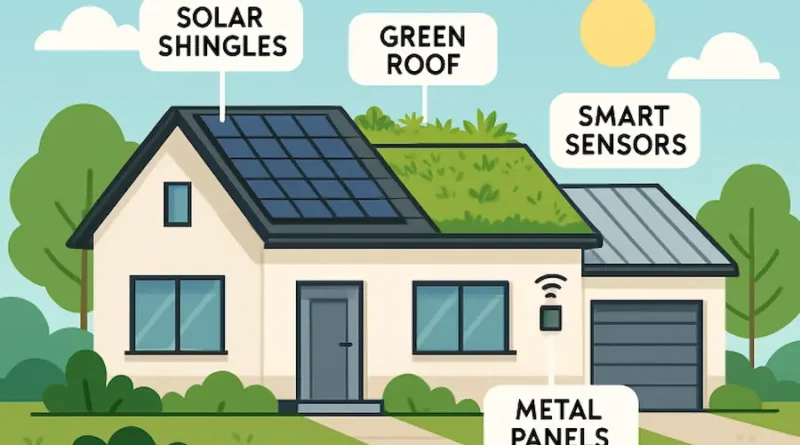
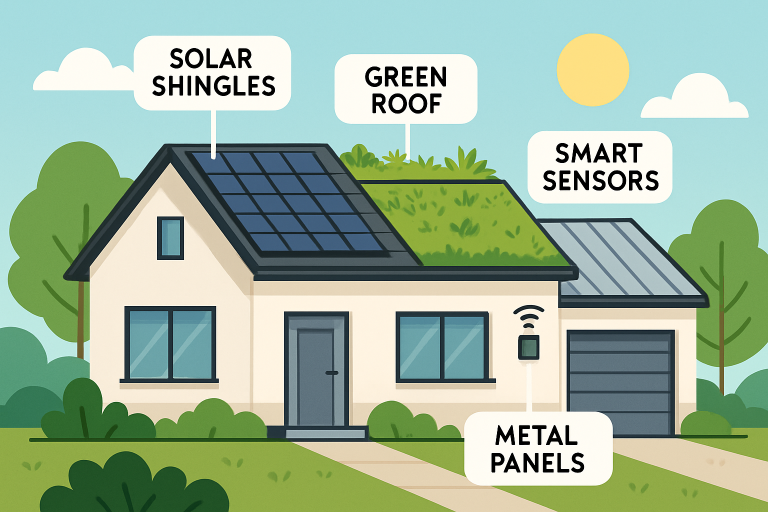
Growing environmental awareness is fueling the adoption of sustainable roofing solutions. Homeowners are choosing recycled shingles, metal plates, and even solar tiles for their blend of eco-friendliness and performance. For example, recycled composites, fashioned from post-consumer plastics and rubber, replicate the look of traditional shingles but offer greater durability and insulation. Metal roofing stands out for its exceptional lifespan of 50 years or more and its capacity to be fully recycled at the end of its useful life, minimizing its environmental footprint. The widespread adoption of these materials is a leap toward more sustainable home construction.
Solar Integration
One of the most innovative trends in the roofing industry is the integration of solar technology. Modern solar shingles are designed to mimic traditional roofing materials, making them nearly indistinguishable from conventional roofing while generating renewable energy. This discreet, dual-purpose installation offers energy cost savings, access to green energy incentives, and a significant reduction in household carbon emissions. Professional installation ensures maximum efficiency and protection, while tailored designs maintain property aesthetics.
Cool Roofing
Cool roofing systems employ specially developed reflective materials and coatings to deflect sunlight and absorb less heat. This innovation not only lowers surface temperatures but also helps reduce indoor cooling requirements—crucial in urban settings and warm climates. Such roofs are particularly effective at mitigating the urban heat island effect and can substantially reduce indoor cooling costs. According to the U.S. Department of Energy, cool roofs can be up to 50°F cooler under direct sunlight than conventional roofing.
Smart Roofing
Roofing systems are now smarter than ever, integrating sensors and intelligent controls to boost safety and efficiency. Embedded technology can detect leaks, monitor moisture, and optimize ventilation, often connecting seamlessly to home automation platforms. These features allow for proactive maintenance, real-time alerts, and significant energy savings. Homeowners can monitor their roof’s health remotely, preventing issues like mold growth and structural decay long before they become serious problems.
Green Roofs
Green roofs, where vegetation is cultivated on the roof of a building, offer a host of ecological and practical advantages. Not only do they trap heat in the winter and cool air in the summer, but they also limit stormwater runoff and filter pollutants from rainwater. In cities like Chicago and Portland, local incentives have helped drive the adoption of these eco-friendly roofing solutions. Green roofs improve air quality, provide urban wildlife habitats, and combat the heat island effect by keeping rooftops naturally cooler during summer months.
Advanced Insulation and Ventilation
Advancements in insulation and ventilation are making roofs more effective at controlling temperature and moisture. Modern insulation materials reflect heat, while radiant barriers and improved airflow systems prevent heat buildup and moisture accumulation in attic spaces. Properly insulated and ventilated roofs help regulate indoor temperature year-round, leading to cost savings and greater comfort. Passive ventilation systems, which require no electricity, are gaining favor as sustainable, low-maintenance choices for homeowners.
Durable and Lightweight Materials
Roofing manufacturers now develop shingles and panels from composite materials, engineered polymers, and lightweight metals that provide maximum strength without adding unnecessary load. These advanced solutions offer high resistance to impact, wind, and severe weather. With less required maintenance and significantly longer lifespans—often exceeding 30 or even 50 years—homeowners enjoy fewer replacements and more value from their investment. Corrosion-resistant metals and polymer coatings keep roofs looking new and performing well for decades.
Drone-Assisted Inspections
Drones have transformed roof inspections, delivering fast, precise, and risk-free assessments. Equipped with high-res cameras and thermal imaging technology, drones can spot early warning signs of roof failure—such as subtle leaks or worn flashing—that might be missed during a ground-level inspection. This technology is incredibly valuable for preempting costly repairs and for routine maintenance, especially after severe weather. Reliable aerial inspection tools help ensure roofs remain in the best possible condition, year-round.
The evolution of roofing systems signals a new era for homeowners, merging energy savings, resilience, aesthetics, and environmental responsibility. Staying informed of these innovations empowers homeowners to make smarter decisions, protect their property, and invest in a greener, more efficient future.
Visit the rest of the site for more interesting and useful articles.
