

How Technology Is Changing Private Aviation
Private aviation is at a pivotal point, with new technologies driving sweeping changes across the sector. Innovations in artificial intelligence, sustainable fuels, digital services, and onboard experiences are making flights faster, smarter, and more convenient for travelers. Those interested in the advantages these developments offer can now compare options for a private jet for rent more easily than ever before, thanks to enhanced transparency and accessibility within the market.
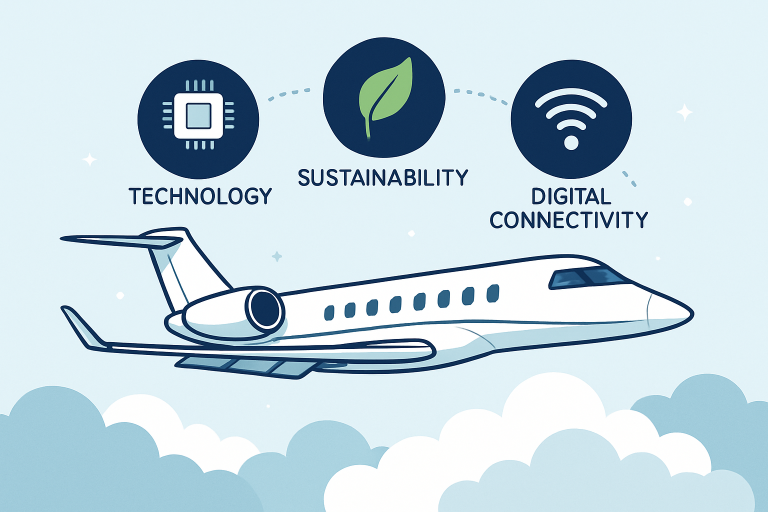
From predictive maintenance to eco-friendly fuels and fully equipped airborne offices, technology is creating a more refined experience, offering increased reliability and a broader range of services for clients. The convenience, efficiency, and focus on sustainability make private aviation more appealing and viable for a new generation of customers.
This transformation is also impacting the operational side, as streamlined digital platforms and the rapid expansion of airport facilities redefine the industry landscape. As these trends accelerate, the benefits extend to business executives, frequent flyers, and travel planners seeking efficiency and productivity throughout their journeys.
Amid increasing attention on both performance and environmental responsibility, industry players are positioning themselves for a future where seamless travel and lower carbon emissions can coexist. For further insights into how tech is disrupting transportation at large, see this detailed analysis by Forbes Tech Council.
AI in Maintenance
Artificial intelligence is propelling a revolution in aircraft maintenance through predictive diagnostics and real-time monitoring. By constantly analyzing thousands of data points from each jet, AI systems can spot potential issues before they arise, allowing operators to schedule repairs more efficiently. According to a report from Reuters, Google Cloud has partnered with Air France-KLM to deploy AI technology that enhances insights from vast data resources, including aircraft maintenance, reducing analysis times from hours to minutes. Predictive maintenance helps ensure passenger safety and contributes to a more seamless and dependable experience for clients.
Sustainable Aviation Fuels
The push toward sustainability has made sustainable aviation fuels (SAFs) a priority for the private aviation sector. SAFs are derived from renewable sources and generate significantly lower carbon emissions compared to traditional jet fuel. Industry data indicate a significant increase in SAF adoption, with major providers ramping up production and supply to meet the growing demand. Global efforts to decarbonize air travel are bolstered by frequent flyers who demand more responsible travel choices and operators willing to invest in green solutions. This transition not only mitigates aviation’s impact but also sets industry benchmarks as regulatory pressures intensify worldwide.
Digital Booking Platforms
Technological progress has made booking a private jet almost as straightforward as reserving a car or a hotel room online. Digital platforms, often underpinned by AI-driven systems, enable travelers to check flight availability, compare prices in real-time, and secure their flights with just a few clicks. By demystifying the booking process and reducing price opacity, these platforms have widened private aviation’s appeal beyond its traditional elite customer base. Accessibility improvements have resulted in a rise in first-time charter clients and the democratization of business jet travel, further accelerating sector growth.
Enhanced Safety Systems
Safety remains paramount within private aviation, prompting the rapid rollout of advanced systems that support both pilots and passengers. Notably, technologies like Honeywell’s SURF-A provide pilots with real-time alerts on potential runway incursions and conflicts, enhancing situational awareness and reducing the risk of human error. These innovations play a crucial role not only in day-to-day operations but also in maintaining passenger confidence and compliance with strict aviation standards. As regulatory frameworks evolve, expect ongoing investment in safety-oriented technology that leverages machine learning, automation, and real-time data integration.
Airborne Offices
The modern private jet is transforming into a high-tech, airborne office space, reflecting the demands of business leaders who must remain productive while traveling. Improvements in satellite connectivity and onboard Wi-Fi enable passengers to participate in video calls, collaborate on documents, and stay connected to cloud-based business services at cruising altitude. Advanced cabin management systems further prioritize comfort, privacy, and convenience, turning travel time into a valuable extension of the workday. These technological upgrades not only satisfy the practical needs of executives but also create new benchmarks for luxury and flexibility in flight.
Expansion of FBOs
At the heart of these developments is the steady rise of fixed-base operators (FBOs), specialized airport terminals designed specifically for private aviation clientele. Across major hubs and regional airports, new FBOs are emerging, broadening the range of premium services offered—everything from exclusive VIP lounges and personalized concierge support to expedited security procedures and bespoke travel assistance. By elevating the ground experience to match the luxury and comfort found onboard, these facilities ensure that private travelers enjoy a seamless journey from start to finish. This growth not only heightens customer satisfaction but also strengthens the overall appeal and value of business jet charters in a competitive market.
Conclusion
Technology has transformed private aviation in remarkable ways, influencing every stage of the flight experience—from scheduling and booking to maintenance, fueling, and in-flight services. The integration of artificial intelligence enables predictive maintenance, reducing downtime and enhancing safety, while digital platforms simplify reservations and improve operational efficiency. The growing adoption of sustainable fuels reflects the industry’s commitment to environmental responsibility, meeting the expectations of eco-conscious travelers. Together, these advancements elevate comfort, reliability, and productivity for passengers. As innovation continues to accelerate, private jet travel is becoming increasingly accessible, efficient, and sustainable, setting new standards and reshaping the future of luxury aviation for years to come.
Visit the rest of the site for more interesting and useful articles.
