
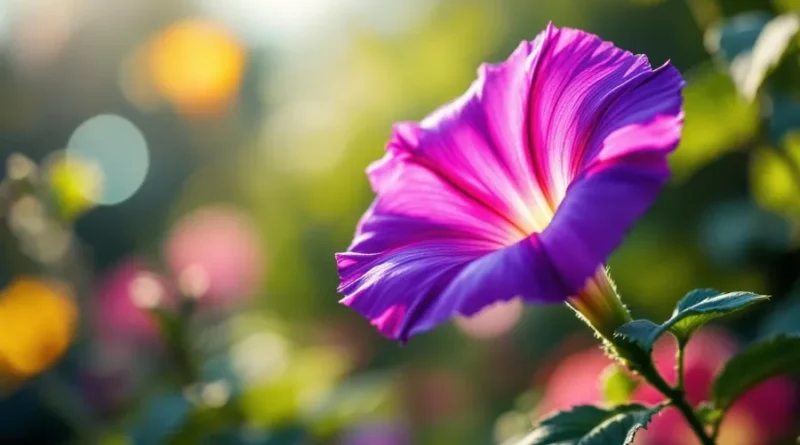
Morning Glory Flower Care and Growing Tips
Few flowers capture the essence of early summer mornings quite like the morning glory. Their trumpet-shaped blooms unfurl with the dawn, offering vibrant splashes of blue, purple, pink, and white that brighten any garden space. But beyond their striking appearance, morning glories are relatively easy to grow-provided you understand their unique needs. Whether you’re a seasoned gardener or just starting out, mastering the care and cultivation of morning glories can transform your outdoor space into a colorful haven.
These fast-growing vines are not only visually appealing but also provide natural privacy screens and attract pollinators like bees and hummingbirds. However, their vigorous growth means they require some guidance to thrive without overwhelming other plants. The following sections will walk you through everything you need to know about growing morning glory flower successfully, from planting to nurturing strong, lasting blooms.
How to Grow Morning Glory Flowers
Starting morning glories from seed is the most common and rewarding approach. Their seeds have a hard outer coating, so soaking them overnight in warm water before planting softens the shell and encourages quicker germination. Plant the seeds about a quarter-inch deep in well-draining soil once the danger of frost has passed and the soil temperature is consistently above 65°F (18°C).
Morning glories prefer full sun, so choose a spot that receives at least 6 hours of direct sunlight each day. They’re climbers by nature, so providing a trellis, fence, or arbor gives them the support they need to reach their full height, often up to 10 feet or more. Without something to climb, the vines may sprawl along the ground, reducing flowering and increasing susceptibility to pests.
Watering should be consistent but moderate. Morning glories don’t like soggy soil, which can lead to root rot, but they also don’t thrive in drought conditions. Aim to keep the soil evenly moist, especially during dry spells. Once established, these plants are fairly drought-tolerant, but regular watering during bloom season will help keep flowers vibrant.
Best Conditions for Strong Blooms
Morning glories flourish in warm, sunny environments with well-drained soil. Soil that is too rich in nitrogen can encourage excessive leaf growth at the expense of flowers, so it’s best to use a balanced fertilizer or one with a higher phosphorus content to promote blooming. Avoid heavy fertilization, as this can lead to lush foliage but fewer flowers.
Temperature plays a crucial role. Morning glories are sensitive to cold and frost, so planting should be timed carefully. They thrive in temperatures between 65°F and 85°F (18°C to 29°C). If you live in a cooler climate, consider starting seeds indoors 4 to 6 weeks before the last frost date and transplanting seedlings outdoors once the weather warms.
Pruning can also encourage more prolific blooming. Pinching back the tips of young vines helps promote bushier growth and more flowers. Additionally, regularly removing spent blooms prevents the plant from diverting energy into seed production, redirecting it toward new flower development. Keep an eye out for pests such as aphids and spider mites, which can weaken the plant and reduce flowering. Treat infestations promptly with insecticidal soap or neem oil.
Visit the rest of the site for more interesting and useful articles.
