
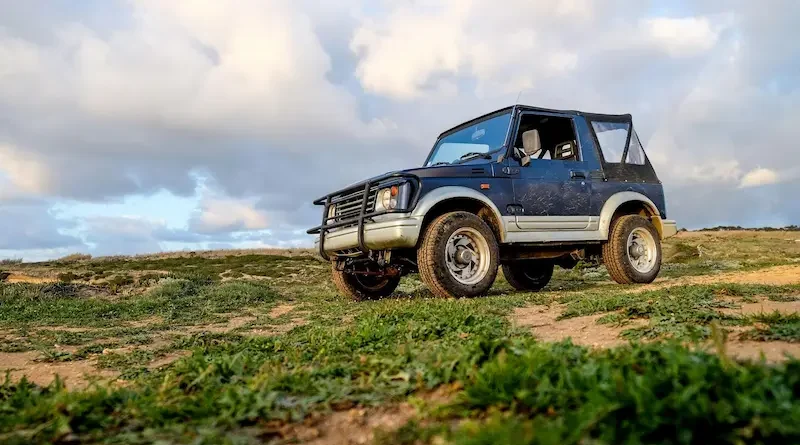
Easy Maintenance Tips to Keep Your Bull Bar Looking New
Even the most rugged bull bar cops more punishment than most people realise. It sits right at the front of the vehicle, taking the brunt of road grime, UV, flying bugs, coastal salt, loose gravel, and the odd branch that leans in a bit too much. Sure, a good bull bar looks rock-solid, but its coating, hardware, and exposed surfaces still need regular attention if you want it staying in top form.
Proper care isn’t just about keeping things tidy. Routine maintenance helps stop early corrosion, protects the bar’s structural integrity, and keeps add-ons like lights or recovery points safely positioned. A little attention every so often saves money down the line and keeps the whole setup working as intended, rather than just looking the part.
So, you might know where to find the best BYD bullbar sale near you. But do you know how to care for it once you have it installed?
Getting the Basics Right: Regular Cleaning That Actually Works
Cleaning a bull bar sounds simple enough, but plenty of drivers tackle it in ways that do more harm than good. Using overly strong detergents or blasting it with high-pressure water at close range can dull the finish or push grit into small scratches. Different materials respond differently too, so it pays to know whether the bar is stainless, alloy, or powder-coated before grabbing the cleaning gear.
Removing contaminants early helps stop them from chewing through coatings. Things like tar, dried mud, salt spray, and bugs can all work their way into small surface imperfections if left too long. Once they settle in, the finish slowly loses its sheen, and cleaning becomes much harder the next time around. A few simple habits like the following can make a big difference:
- Use pH-neutral cleaners to avoid dulling the surface.
- Rinse thoroughly to prevent residue buildup.
- Clean behind mounting plates where dirt gathers.
- Dry completely to prevent water spots on polished surfaces.
Protecting the Finish: Sealants, Polishes, and Coatings
Once the bar is clean, giving the surface a protective layer helps it stand up to sun exposure and regular driving.
Alloy bars respond well to clear sealants that create a thin barrier against oxidation. Powder-coated bars benefit from wax-based products that preserve the coating without making it sticky or overly glossy. Stainless bars resist corrosion naturally, though adding a protective film still helps prevent fine marks and dulling from airborne contaminants.
Polishing compounds work well for buffing out minor abrasions, especially after driving tracks with loose gravel. Regularly refreshing the protective layer helps the bar resist UV fade and stay smooth, making the next wash less of a chore.
Hardware Health: Checking Bolts, Mounts, and Accessories
A bull bar’s strength doesn’t come from its face but from the mounting system tucked behind it. Bolts, brackets, and weld points handle the real forces during impact or heavy recovery work, so keeping them in good shape is vital. After long stretches of corrugated roads, it’s worth going over the fittings because vibration can loosen hardware without giving any warning signs.
Loose bolts can introduce uneven stress through the bar or create light rattles that only show up at certain speeds. While checking things over, it’s smart to inspect add-ons like LED lights, aerials, and recovery points too. Tightening a bolt takes barely a moment, and it saves a world of hassle later on.
Tackling Rust, Oxidation, and Surface Wear
Steel bars, alloy bars, and stainless bars all age differently, so dealing with wear early helps stop it spreading. Surface rust tends to start where stones flick up and break the coating on steel bars, while alloy oxidation shows up as dull patches that slowly grow if ignored.
Even a tiny chip can let moisture creep in underneath the finish, so it’s worth acting on these marks as soon as they appear. Here are a few targeted approaches that help keep wear in check:
- Light rust – Remove with fine abrasive pads and apply rust converter.
- Alloy oxidation – Treat with alloy cleaner to restore colour.
- Deep chips – Touch up immediately to stop moisture creeping underneath.
The Underrated Step: Looking After the Underside and Hard-to-See Spots
The underside of the bar often gets missed because it’s awkward to see and even trickier to reach. Dirt settles into the pockets behind brackets and around lower welds, and moisture tends to linger there longer than on the outer face. These hidden areas are usually the first places where corrosion begins, simply because they never receive the same attention as visible surfaces.
A quick pass with a torch, a soft brush, and a bit of patience can clear out problem spots before they turn into bigger issues. It’s not the flashiest part of maintaining the bar, but it pays off when the whole setup still looks fresh years down the line.
Keeping It Looking New: Preventative Habits for Everyday Driving
There are small habits that do wonders for keeping a bull bar in good shape over the long haul. A quick rinse after driving on salty tracks helps stop deposits settling into the finish.
Cleaning off insects before they dry makes life easier too, especially during warm months when they tend to stick like glue. After wet or muddy runs, a simple check for buildup around joins and mounting points prevents any surprises later.
You’d also need to avoid parking under trees that can drop sap or debris onto the finish. Lastly, use a soft cover during extended periods of vehicle storage.
Conclusion: A Bit of Care Goes a Long Way
A quality bull bar is built to handle serious work, but even the strongest setup benefits from simple and regular attention. Keeping it clean, protected, and firmly secured helps it look sharp and perform reliably. And when everything is looked after properly, the bar stays ready for whatever the track throws at it with no worries.
Visit the rest of the site for more interesting and useful articles.
