
Efficient Strategies for Planning Group Transportation
Organizing group transportation can be a demanding logistical task, requiring careful attention to every detail to ensure efficiency and satisfaction for all participants. The key to success lies in having a strong plan from the outset, supported by clear communication and the right resources. When planning group trips, whether for corporate meetings, school excursions, or large family gatherings, utilizing trusted local services like Austin bus rental can significantly enhance the coordination process by providing reliable options tailored to your group’s specific needs.
From the initial assessment of participant requirements to final feedback and evaluation, effective group transportation planning encompasses budgeting, safety, and the use of modern technology. Group leaders and event organizers benefit significantly from adopting a structured approach that addresses every step, reducing stress and surprise along the way.
Assessing Group Needs
The planning process begins with a thorough understanding of the group you’ll be transporting. Start by noting the number of attendees, their ages, and any unique accommodations such as wheelchair access, dietary restrictions for long trips, or storage requirements for luggage and equipment. Clearly identifying the purpose and objectives of the trip further influences decisions, whether it’s for networking, education, or recreation.
Choosing the Right Transportation Mode
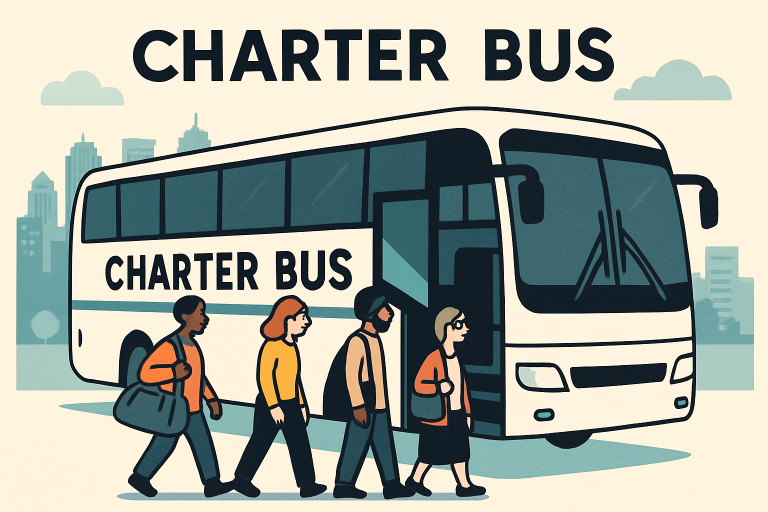
Selecting the ideal mode of transportation is foundational to group satisfaction and trip success. For local and regional journeys, charter buses and vans provide comfort, cost efficiency, and flexibility. Charters are especially popular for medium to large groups, as they can provide amenities such as air conditioning, Wi-Fi, and restrooms, fostering a productive and pleasant atmosphere en route. For longer distances or special requirements, trains and flights may be more suitable, but always consider balancing group size, travel time, and convenience when making your selection. CBS News highlights AARP travel benefits. Travel planning should also account for accessibility needs and luggage capacity to ensure a smooth experience for everyone. Comparing prices and booking early can help secure the best rates and availability. Finally, coordinating departure times and routes in advance minimizes stress and keeps the group on schedule throughout the journey.
Budgeting Effectively
Managing your finances is one of the most critical aspects of transporting groups. Develop a detailed budget that outlines all expected expenditures, including transportation fares, driver tips, fuel, insurance, parking, tolls, and food or lodging for extended trips. It can be beneficial to allocate a contingency fund—usually around 10-15% of your total budget—for unforeseen expenses such as last-minute route changes, vehicle upgrades, or medical needs. Regularly reviewing and adjusting your budget as you finalize details helps you stay on track and avoid unnecessary stress later in the process.
Scheduling and Routing
An efficient itinerary requires careful attention to timing. Coordinate pick-up and drop-off locations that are easily accessible for everyone. Utilize digital map services or professional routing tools to plan the shortest and most reliable paths, factoring in traffic forecasts, weather conditions, and planned stops for meals and restrooms. Advanced scheduling can minimize both travel time and energy consumption, helping your group arrive comfortably and on time. Regularly update the itinerary to accommodate unforeseen delays or changes in traffic patterns. Communicate clearly with all participants about departure times and meeting points to avoid confusion. Finally, build in small buffer periods to ensure flexibility without compromising the overall schedule.
Ensuring Safety and Compliance
Safety should always take precedence. Select transportation providers with verified credentials, insurance coverage, and a strong safety record. Verify that the vehicles are regularly inspected and up to code, and ensure that drivers hold the appropriate licenses and have undergone background checks and necessary training. It is also wise to familiarize yourself with relevant laws on rest breaks, capacity limits, and COVID-19 protocols, if applicable, to ensure everyone’s peace of mind and legal compliance throughout the journey.
Leveraging Technology
Incorporating technology can dramatically enhance every stage of the transportation process. Intelligent travel assistants and group planning apps help coordinate multi-modal journeys and find solutions that account for individual preferences, accessibility, and time constraints. For example, route optimization software can adjust plans in real-time to avoid traffic snarls or respond to sudden changes in group dynamics, helping you save time and reduce fuel usage. Additionally, GPS tracking and digital check-in systems improve safety by allowing organizers to monitor vehicle locations and passenger statuses. Mobile communication tools enable instant updates, ensuring everyone stays informed of schedule changes or delays. Ultimately, data analytics from previous trips can inform future planning, enabling the optimization of costs, travel times, and overall participant satisfaction.
Communicating with Participants
Clear, consistent communication is fundamental to group satisfaction. Distribute detailed itineraries well in advance, ensuring all travelers understand schedules, locations, and expectations. Use group messaging apps or event-specific platforms to provide real-time updates on delays, route adjustments, or emergencies. List essential contact information and designate an on-site point person for direct support throughout the trip, ensuring a quick resolution of any issues that may arise.
Evaluating and Improving
After the trip, gather feedback via surveys or informal conversations to identify what worked and what could be improved. Look for trends in responses related to comfort, punctuality, communication, and amenities, and incorporate this input to make future trips smoother and more enjoyable. Acting on feedback not only streamlines your process over time but also shows your commitment to participant satisfaction, boosting attendance and enthusiasm for future group events.
Adequate group transportation requires a comprehensive and flexible strategy, as well as ongoing engagement with both participants and providers. With careful planning, open communication, and the right technology, you can ensure an enjoyable, efficient experience for every journey.
Visit the rest of the site for more interesting and useful articles.
