
How License Plate Recognition Is Transforming Urban Mobility
Urban areas face constant pressure to innovate their transportation systems for greater efficiency, convenience, and security. In recent years, license plate recognition system for streamlined entry and exit have become essential in the evolution of city mobility, automating the critical task of vehicle identification and enabling more intelligent, data-driven infrastructure decisions. Through automation, LPR reduces bottlenecks and empowers city planners, commuters, and enforcement officials alike.
The appeal of LPR isn’t just in its ability to recognize license plates but in how it integrates with a multitude of urban mobility solutions. From optimizing daily commutes to empowering secure and transparent parking management, LPR-based systems are enhancing the way cities operate. Urban mobility is also benefiting from the data-rich insights generated by LPR, enabling administrators to understand traffic patterns and optimize city services accordingly.
Furthermore, as municipalities continue to embrace digital transformation, LPR serves as a driver for innovation in public safety and city infrastructure. Real-time vehicle tracking enables quicker emergency response times and facilitates dynamic rerouting during accidents or periods of heavy congestion. Overall, the automated nature of LPR technology allows city staff and law enforcement to focus their resources on higher-level tasks, thereby reducing manual errors and saving valuable time for all stakeholders.
The value of deploying LPR solutions is evident in the experience of cities like New York and London, where automated vehicle recognition has dramatically improved both mobility and compliance. With digital roads and AI-powered surveillance becoming integral to modern cities, advancements in LPR will only continue to shape the transportation networks of tomorrow. For more insight into how LPR helps optimize urban traffic, visit Smart Cities Dive.
Enhancing Traffic Management
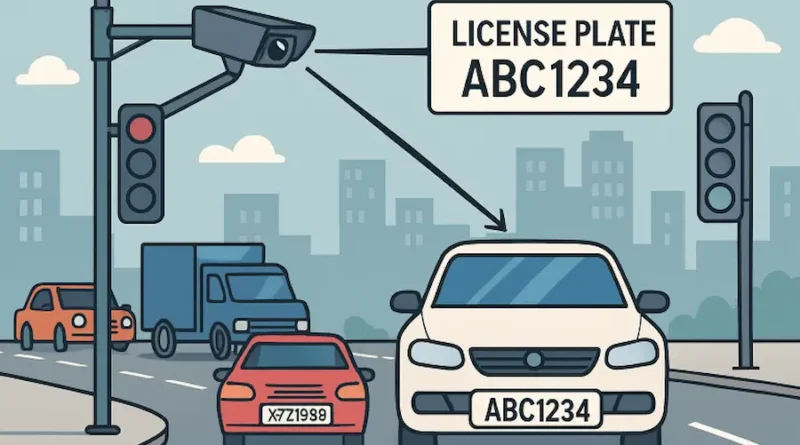
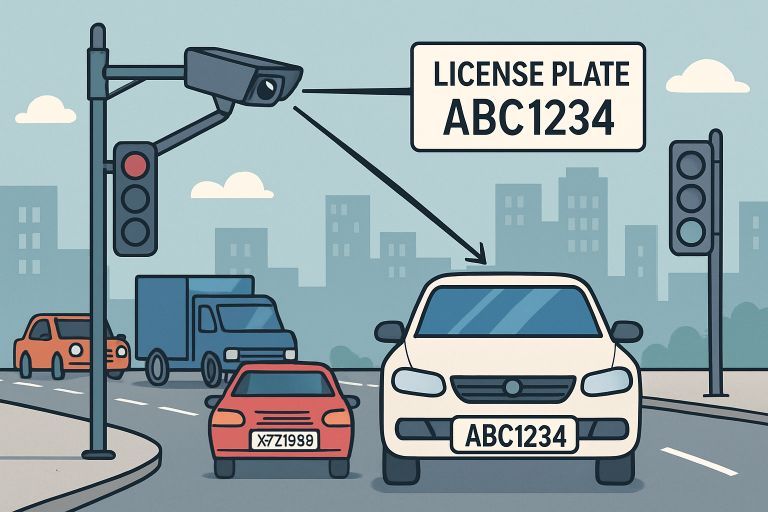
The primary advantage of LPR technology is its ability to monitor urban roadways in real-time. By capturing license plate data at strategic checkpoints and intersections, LPR enables dynamic traffic signal timing, congestion alerts, and enhanced travel-time predictions. In metropolitan areas such as San Diego, LPR data is fed into intelligent traffic management systems that actively reduce congestion levels and balance traffic loads across major routes.
Automated license plate recognition contributes to smoother commutes and increases both pedestrian and vehicle safety. Authorities can instantly identify vehicles involved in traffic violations, helping to enforce speed limits, red-light compliance, and rules in restricted zones. The system’s accuracy and speed are crucial in cities where every minute of congestion leads to exponential delays through the network.
Revolutionizing Parking Solutions
Parking operators are rapidly adopting LPR to automate access control and payment flows. Through camera-mounted gateways, these systems recognize a registered vehicle on approach, open gates for entry, and automatically process parking payments as the vehicle exits. This “touchless” approach minimizes wait times and human contact, a key advantage in a post-pandemic landscape where safety and convenience are paramount.
LPR also enables seamless integration with app-based and online parking reservation systems, giving drivers up-to-the-minute information on available spaces and real-time billing. As a result, urban dwellers spend less time searching for parking, leading to a measurable reduction in road congestion and emissions.
Bolstering Law Enforcement Efforts
Beyond traffic flow, LPR has become a powerful asset for public safety officials. Law enforcement agencies utilize automated plate matching to verify the presence of stolen vehicles, outstanding violations, or individuals of interest. For example, the Pueblo County Sheriff’s Office in Colorado saw immediate results with their new LPR deployment, recovering multiple stolen vehicles within weeks of installation. Their story was highlighted in the local news: Pueblo County Sheriff’s Office LPR Success.
LPR technology is also used for Amber Alerts, wanted suspects, and hazardous drivers. Instant alerts provide officers with the advantage of real-time location data, thereby improving response times and supporting evidence collection. In regions where LPR is paired with body cameras and broader surveillance systems, it forms a comprehensive safety net for urban communities.
Addressing Privacy Concerns
While LPR provides unprecedented utility, it raises valid concerns regarding privacy and surveillance. Critics caution against routine monitoring without public consent, noting the risks associated with data breaches or the improper use of sensitive information. Recent debates in cities like Salt Lake City have prompted officials to halt LPR deployment, pending public dialogue and the establishment of clear regulatory frameworks, as reported by The Salt Lake Tribune.
To earn public trust, municipalities are adopting principles of transparency, limited data retention, and strict access protocols. Clear signage on LPR use, public consultations, and easily accessible privacy policies help demystify the technology and reinforce compliance with legal standards. Accountability is heightened by appointing neutral oversight bodies and regular audits.
Implementing Regulatory Frameworks
The path forward for LPR involves robust legislation that prioritizes user rights as much as municipal benefits. Guidelines should specify how long plate data is stored, who may access it, and under what conditions it is stored. Many cities are tasking independent councils with reviewing program effectiveness and data security measures, ensuring any expansions are justified by clear public interest.
Public engagement forms the backbone of responsible implementation. Municipalities that include residents, privacy experts, and business owners in the regulatory process tend to see higher satisfaction and fewer disputes. By fostering ongoing communication, cities can achieve compliance while also cultivating a tech-forward culture where benefits outweigh apprehensions.
Future Prospects of LPR in Urban Mobility
As urban populations grow and demands on infrastructure increase, LPR’s capabilities will continue to expand. The next iteration of smart cities will see LPR fused with AI decision systems, connected vehicle platforms, and real-time public safety tools. These integrations promise predictive congestion management, seamless multimodal transport, and agile emergency response networks. For a broader look at upcoming trends in smart city technology, review the latest updates from Smart Cities Dive.
However, continued progress depends on city leaders’ willingness to refine policy, invest in cybersecurity, and foster public trust. Striking the right balance between innovation and individual rights will determine not just LPR’s success, but the future quality of life in our cities.
Conclusion
LPR technology is revolutionizing urban mobility by automating vehicle identification and supporting more innovative city infrastructure. Its roles in traffic management, streamlined parking, and enhanced law enforcement demonstrate both immediate and future-facing value. To unlock its full potential while addressing valid privacy concerns, cities must prioritize transparency, public engagement, and forward-thinking regulation. Through careful adoption, LPR can become a foundational tool for building safer, more efficient, and more responsive urban environments.
Visit the rest of the site for more interesting and useful articles.
