

How Data-Driven Insights Are Transforming Retail In-Store Experiences
In the fiercely competitive landscape of modern retail, harnessing data-driven insights is redefining how brands deliver in-store shopping experiences. By leveraging rich data streams from customer interactions, retailers can craft environments that anticipate needs and foster genuine loyalty. This evolution is not only powering new waves of efficiency and personalization but also helping offline stores better compete with digital-first commerce. As retailers look to measure the entire shopper journey, offline conversion tracking for retail is proving essential for understanding and optimizing these complex, multi-touchpoint experiences.
The quest for seamless engagement doesn’t end at the cash register; today’s retailers analyze basket composition, dwell time, and even post-purchase behaviors to tighten strategy and service. Such informed decision-making empowers staff to offer tailored recommendations, present relevant promotions, and proactively manage inventory levels, all of which are crucial for meeting ever-increasing consumer expectations. Shoppers, in turn, benefit from faster, more relevant encounters that encourage repeat visits and advocacy.
Integrating digital and physical channels further allows brands to monitor cross-channel behavior and measure how online touchpoints influence in-store actions. Bridging this gap is critical, enabling retailers to optimize ad spend, improve channel attribution, and ultimately drive more effective campaigns that blend digital excitement with in-person engagement.
With the aid of innovative technologies and predictive analytics, leaders in the space are turning stores into living laboratories where strategy can be tested in real-time. The goal is to transform anecdotal feedback into actionable insight and ensure shopping journeys are as dynamic as the customers themselves.
Understanding Customer Behavior Through Data
Retailers today gather enormous amounts of data in-store, from point-of-sale transactions to sensor-based analytics tracking foot traffic and dwell time. By aggregating this information, they can create unified profiles that highlight trends, such as what days shoppers visit most often or which sections garner the highest engagement. Going even further, insights from social media activity and loyalty programs can reveal sentiment, preferences, and cross-selling opportunities. This holistic approach empowers brands to recognize and respond proactively to shifts in customer expectations.
Personalizing the Shopping Experience
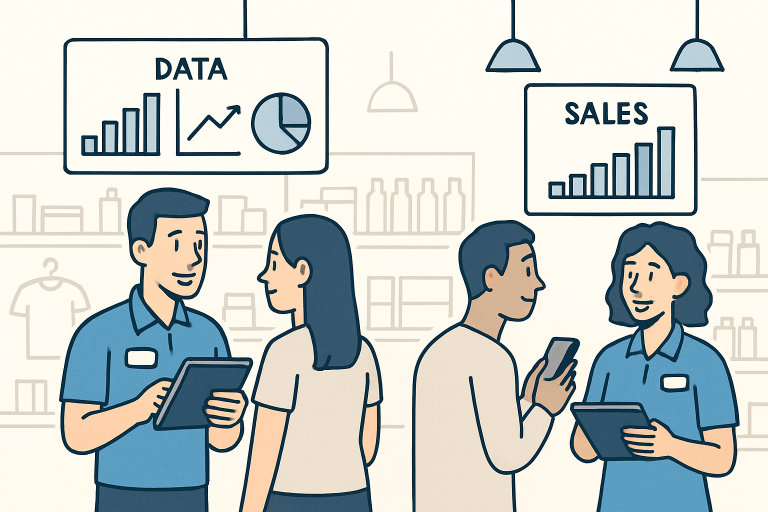
Personalization, powered by actionable insights, remains the keystone of modern retail. With data, stores can segment customers by behavior, history, and preferences, sending tailored offers or enabling associates to deliver on-the-spot, bespoke recommendations. For example, artificial intelligence can initiate time-sensitive promotions when a shopper lingers in a particular aisle, or alert staff to assist during typically busy times. Such timely interventions, grounded in analytics, ensure customers feel recognized and valued, a crucial differentiator in an age of endless choice.
Optimizing Store Operations with AI
Artificial Intelligence is redefining retail operations from end to end. Predictive analytics flag impending out-of-stock situations before they occur, while workforce management solutions schedule employees for peak hours with granular precision. Computer vision and AI-powered sensors track movement across the floor, highlighting where bottlenecks form and which displays drive greater dwell time. By automating tasks that once demanded countless hours, teams can focus on relationship-building and service delivery. Moreover, AI enables dynamic pricing that reflects supply and demand, improving margins and customer perceptions of value.
Enhancing Inventory Management
Modern inventory management hinges on turning reactive replenishment into proactive planning. Data reveals which products are trending and which are slow movers, allowing them to be marked down or bundled. Automated inventory tracking ensures the right mix of products is always available without overcommitting stock, reducing markdowns and waste. These insights not only trim operational costs but also minimize the frustration of out-of-stock disappointments that can drive shoppers elsewhere. Ultimately, a robust, data-informed inventory system supports a seamless, customer-first retail experience.
Real-World Examples of Data-Driven Retail
Notable retailers are leveraging data to close the gap between digital browsing and in-store buying. According to a SymphonyAI study, online grocery sales have surged back, highlighting the growing need for retailers to connect their online initiatives to brick-and-mortar environments. Chains that utilize sophisticated in-store analytics are better able to align checkout processes, staffing, and inventory with shifting e-commerce patterns, ensuring customers experience consistency and convenience across all channels.
In addition, national players like Walmart and Target use advanced technologies to monitor real-time sales, predict demand surges, and deploy staff for high-touch service moments, all derived from layered data insights. Their continued investment in these tools demonstrates the value of uniting digital expertise with physical retail presence.
Challenges and Considerations
While the benefits of data-driven retail are vast, integrating these initiatives comes with notable hurdles. Chief among them are data privacy and security; brands must adhere to strict regulations and protect consumer information at all costs. Building robust technology infrastructures is essential, as is ensuring staff are trained to interpret data and take action. Retailers also face challenges in consolidating disparate data sources into usable formats, which is critical for a unified strategy and measurement. Industry thought leaders continue to debate best practices for balancing innovation with ethical data use, as outlined in respected analyses on Harvard Business Review.
Future Trends in Data-Driven Retail
Looking ahead, retail decision-making will increasingly rely on machine learning and automation. IoT devices will bridge the analytical gap between online and offline experiences, enabling more nuanced data collection across everything from temperature to inventory movement. Predictive analytics will help even more sophisticated shopper segmentation, and AR (augmented reality) will personalize on-the-spot experiences. Retailers willing to experiment and evolve alongside these advances will not only meet consumer demands but also set the pace for what is possible in omnichannel retail.
Conclusion
Data-driven insights are now the engine behind retail’s most innovative and customer-centric in-store experiences. By learning from every touchpoint and deploying technologies like AI and machine learning, retailers can personalize service, optimize operations, and elevate satisfaction, and do so with unprecedented agility. The journey toward a truly integrated, responsive retail environment is underway, and those who embrace it will see the most significant rewards, both in loyalty and bottom-line performance.
Visit the rest of the site for more interesting and useful articles.
