
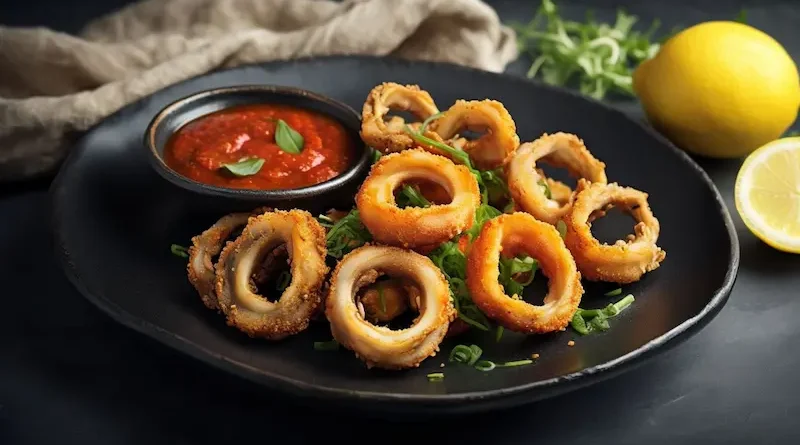
Calamariere: A Fresh Take on the Classic Calamari Delight
Food trends come and go, but some flavors never fade. One of the most loved dishes around the world is calamari, a delicious squid dish that has captured hearts for centuries. Recently, the term Calamariere has started appearing in online recipe guides and culinary discussions, sparking curiosity among food lovers. So, what exactly is Calamariere, and why is it becoming popular among those who adore Mediterranean cuisine and Italian culinary tradition? Let’s dive into the flavorful world of this new term and explore how it connects to the timeless joy of fried calamari and other seafood appetizers.
What Does Calamariere Mean?
The word Calamariere seems to have evolved from the traditional term calamari, which simply means squid in Italian. In the Italian seafood tradition, calamari has long been considered a staple, appearing in coastal restaurants, family kitchens, and festive gatherings. The variation “Calamariere” is now being used by modern food enthusiasts and chefs as a creative way to describe innovative or personalized versions of classic calamari recipes.
Some blogs and small culinary websites use Calamariere to represent not just the dish itself but also the broader Mediterranean seafood culture surrounding it. It has become an identity marker for people who appreciate coastal cooking, simple ingredients, and community-based dining. Whether you’re enjoying battered squid rings with lemon and aioli or trying your hand at homemade crispy calamari, the Calamariere spirit encourages experimentation while respecting tradition.
The Origins of Calamari and Calamariere
The word “calamari” originates from the Latin calamarium, meaning “inkpot.” This name reflects the squid’s natural ink, often used for flavoring or coloring dishes. Over time, the word evolved through Italian and entered English as “calamari,” widely recognized today as a symbol of coastal cuisine.
As for Calamariere, it appears to be a modern twist on the original, merging the concept of individual creativity with classical cooking. While dictionaries haven’t yet defined it formally, its growing use online shows how language and food culture continuously evolve together. Like many culinary terms, it celebrates the connection between history, flavor, and community.
How to Prepare the Perfect Calamariere Dish
Cooking calamari can seem intimidating, but it’s simpler than it looks. Whether you’re frying, grilling, or sautéing, the key lies in freshness and timing. Below are the essential steps that make every Calamariere dish stand out.
Ingredients You’ll Need:
- Fresh squid (cleaned and sliced into rings)
- Flour or batter mix
- Salt and pepper
- Olive oil for frying
- Lemon wedges
- Aioli dip or marinara sauce for serving
Simple Cooking Steps:
- Rinse your fresh seafood thoroughly to remove any residue.
- Pat the squid dry to ensure crispiness when frying.
- Coat the rings in flour or batter. Some prefer a light breadcrumb coating for extra crunch.
- Heat olive oil in a pan and fry the rings in small batches for 2–3 minutes until golden brown.
- Drain on a paper towel and serve hot with lemon and aioli or your favorite dip.
This basic recipe is similar to what you’ll find in many seafood appetizer menus. The difference comes from how each chef adds their unique touch — the personal touch that transforms a simple dish into a memorable experience.
The Flavor of Coastal Life
The popularity of Calamariere reflects more than just taste; it represents the romance of seaside dining. The smell of battered squid rings frying in olive oil, the sound of waves in the background, and the shared laughter over plates of fried calamari capture the essence of coastal living.
In many parts of the world, especially in Southern Europe, calamari is enjoyed with a glass of white wine and simple sides like salads or grilled vegetables. The Italian culinary tradition values freshness, and Calamariere perfectly fits this philosophy. Each bite brings you closer to the sea, reminding you of the simplicity and warmth of Mediterranean life.
Modern Takes on Calamariere
Chefs today are redefining what Calamariere means by experimenting with global influences. Some restaurants serve spicy Asian-inspired versions, while others combine Mediterranean seafood with modern presentation techniques. The idea is to celebrate the cooking technique while allowing creativity to flow freely.
Food bloggers often share their calamari cooking tips, from using sparkling water in the batter for extra crispiness to trying gluten-free alternatives. Others focus on seafood nutrition, reminding readers that squid is rich in protein and low in fat — a great option for those who want a healthy yet indulgent treat.
Innovative Ideas to Try:
- Toss fried calamari in garlic butter for an extra punch.
- Pair with spicy tomato dip instead of aioli dip.
- Add lemon wedge zest directly into the batter for a fragrant twist.
- Grill instead of frying for a lighter version.
Each of these variations honors the original calamari recipe while introducing new ways to experience its flavor.
The Role of Calamariere in Culinary Culture
The emergence of Calamariere in blogs and online discussions shows how food language continues to adapt. It highlights how culinary creativity travels across borders, connecting food lovers from different regions. The term embodies adaptability and innovation, while still paying respect to the Italian seafood tradition.
As food culture becomes more digital, sharing recipe guides and cooking stories online has become part of building a global community. The Calamariere movement fits perfectly into this space — it’s about celebrating passion, storytelling, and the joy of making something with your own hands.
The Meaning Beyond the Plate
Beyond its delicious taste, Calamariere stands for connection and heritage. For some, it’s a nostalgic reminder of family dinners by the coast. For others, it’s a way to experiment with cooking techniques while preserving authenticity. Either way, it represents a timeless bond between food and culture.
In the digital world, where food trends come and go daily, Calamariere stays relevant because it encourages people to slow down, cook thoughtfully, and appreciate flavor. It also strengthens community engagement as people share recipes, tips, and photos across social media.
Future of Calamariere
As more chefs and home cooks embrace this creative spin on calamari, Calamariere could evolve into a recognized culinary trend. With its focus on fresh seafood, coastal cuisine, and authentic recipes, it represents the perfect balance between tradition and innovation. It might even inspire new restaurant concepts or menu categories dedicated to simple, flavorful seafood experiences.
What to Expect Next:
- Growing online interest in unique squid preparation methods.
- More recipe-sharing among global food enthusiasts.
- Increased appreciation for Italian culinary tradition in modern contexts.
- Restaurants branding certain dishes as part of the Calamariere style.
Conclusion
Whether you see Calamariere as a new term or a fresh perspective on a beloved dish, one thing is clear — it celebrates the joy of food made with heart. From fresh squid cleaning to the final crispy calamari served with lemon wedge and aioli dip, every step reflects the artistry and culture behind Mediterranean seafood. It bridges past and present, reminding us that great food doesn’t need to be complicated — it just needs to be honest, flavorful, and shared with others.
In the end, Calamariere is more than a recipe. It’s a reminder that every dish tells a story — a story of the sea, of family, and of creativity that connects us all through the universal language of taste.
