
Common Symptoms of ECM Failure and How to Prevent It
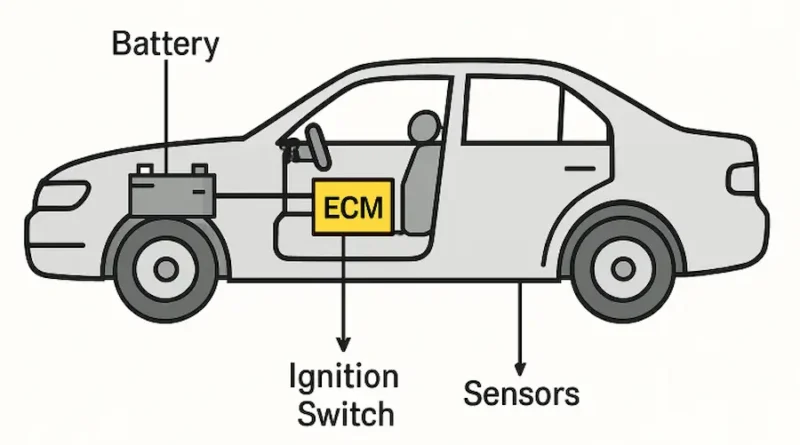
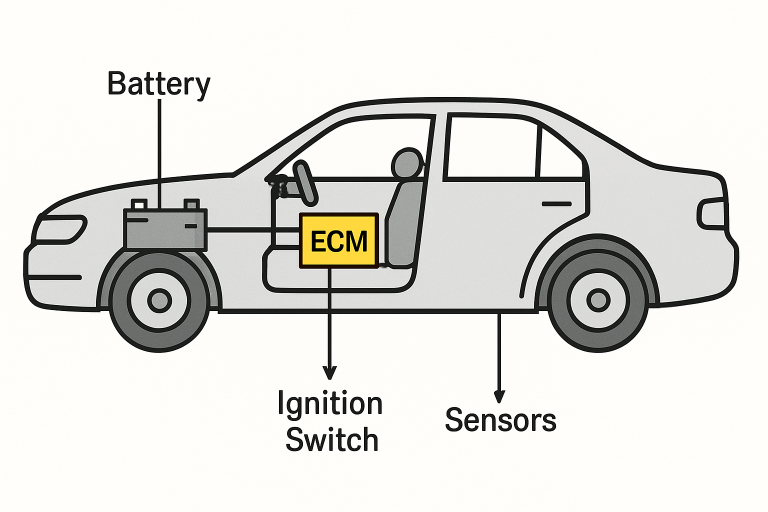
The Engine Control Module (ECM) is at the heart of your vehicle’s electronic system, overseeing functions like fuel delivery, ignition timing, and emissions controls. When the ECM malfunctions, it can disrupt virtually every aspect of your vehicle’s operation. Recognizing the early warning signs of ECM trouble and understanding proactive maintenance such as best practices for diesel ECM programming, can help you avoid costly repairs and unexpected breakdowns.
If the ECM isn’t functioning properly, even small electrical hiccups or minor wiring faults can lead to major headaches for drivers. That’s why catching ECM issues quickly is so important: prompt action allows owners to fix small issues before they grow into bigger, more expensive problems or permanent breakdowns. Beyond being a critical safety net, gaining some familiarity with ECM symptoms can also improve your vehicle’s reliability and efficiency.
Staying informed about preventative strategies and common indicators of ECM failure doesn’t just save money it improves peace of mind. Vehicle owners who regularly maintain their ECM, keep up with ECM firmware updates, and promptly address subtle performance changes often enjoy more reliable, efficient vehicles over the long haul.
Symptoms of ECM Failure
Spotting ECM problems early is key to protecting your engine and keeping your vehicle on the road. Here are several warning signs that can suggest ECM trouble:
- Check Engine Light Activation: An illuminated or blinking check engine light often means there’s a problem with the electronic controls or sensors. If no other cause is apparent, use a diagnostic scanner to pull error codes and confirm ECM involvement. According to Autoblog, a stubborn check engine light may be one of the most telling signs of ECM dysfunction.
- Poor Engine Performance: Drivers may notice the engine misfiring, stalling, or being difficult to start. The ECM’s inability to regulate the ignition or fuel injection sequence can cause these inconsistencies.
- Reduced Fuel Efficiency: A sudden, unexplained dip in fuel economy may signal that the ECM isn’t adjusting the fuel-air mixture appropriately, resulting in wasted fuel and higher running costs.
- Erratic Transmission Behavior: If your vehicle shifts gears unpredictably or roughly, especially in automatic transmissions, it could be a symptom of ECM failure affecting transmission logic.
- Unusual Noises or Vibrations: You might detect odd engine sounds or increased vibrations if the ECM is mismanaging timing or fuel delivery.
Causes of ECM Failure
Being proactive means knowing what typically causes ECM failure so you can take steps to avoid it:
- Environmental Factors: Water exposure, high humidity, prolonged vibrations, and extremely high or low temperatures can all contribute to ECM deterioration.
- Electrical Issues: Power surges, short circuits, and faulty vehicle wiring often damage ECM circuitry. Surges from a weak or faulty battery or alternator are particularly hazardous.
- Software Glitches: Outdated, corrupted, or poorly programmed ECM firmware can cause errors and ongoing operational problems.
Preventive Measures
Taking steps to protect your ECM will add years to your engine’s life and reduce repair costs:
- Regular Maintenance: Following your car manufacturer’s routine maintenance schedule ensures that all ECM-related components (sensors, wires, and connections) remain in good working condition.
- Protect Against Environmental Damage: Keeping the ECM dry and protected from extreme temperatures by inspecting its housing and mounting seals can shield it from damaging elements.
- Monitor Electrical Systems: Routine checks of batteries, alternators, and electrical systems are crucial. Catching and repairing electrical faults early on is one of the simplest ways to prevent ECM damage.
- Update Software: Many modern vehicles require periodic ECM software updates. Scheduling these updates even after the warranty has expired can help fix known bugs and enhance vehicle performance.
Diagnosing ECM Issues
If your vehicle shows suspicious symptoms, diagnosing an ECM issue can prevent further complications:
- Use a Diagnostic Scanner: Modern code scanners read the trouble codes stored by your ECM and help identify specific components or systems causing a problem.
- Inspect Wiring and Connections: Look for corrosion, loose connectors, or visibly damaged wires that may interfere with ECM communication.
- Consult a Professional: Because ECMs are complex and integral to engine operation, it’s best to have a certified technician perform a thorough diagnostic evaluation if problems persist.
Repair or Replace: What to Do Next
If diagnostics confirm that your ECM has failed, you generally have two paths:
- Repair: Minor problems, such as a loose connection or a single damaged circuit, can often be repaired without replacing the module. These fixes are typically more budget-friendly.
- Replace: In cases of severe physical or electrical damage, replacement may be necessary. Ensure the replacement ECM is compatible with your vehicle’s make, model, and year, and that it is programmed correctly to avoid further complications.
Investing in reliable ECM care and taking preventive action greatly reduces the likelihood of breakdowns and steep repair bills. Stay alert to signs of trouble, stay up to date with ECM software improvements, and always seek a reputable repair specialist, and your car will reward you with many miles of dependable service.
Conclusion
In conclusion, the Engine Control Module plays a vital role in keeping your vehicle running safely, efficiently, and reliably. By recognizing the early symptoms of ECM failure and understanding the common causes, drivers can take timely action to prevent minor issues from escalating into major repairs. Regular maintenance, attention to electrical health, and keeping ECM software up to date are all simple yet effective ways to extend the life of this critical component. When problems do arise, accurate diagnosis and informed decisions about repair or replacement can save both time and money. Staying proactive with ECM care not only protects your engine but also ensures smoother performance and greater peace of mind on the road.
Visit the rest of the site for more interesting and useful articles.
