
Decoding Liquidation Pallet Grades: A Buyer’s Guide
What Are Liquidation Pallets?
Liquidation pallets are bulk collections of merchandise sourced from major retailers. They often include customer returns, overstock products, or items removed from shelves to make space for newer inventory. Buyers typically seek liquidation pallets for sale to acquire goods at discounted prices for resale. The contents of these pallets vary widely, including electronics, home goods, appliances, and clothing.
These pallets are a popular resource for entrepreneurs and small businesses aiming to maximize returns on investment through volume resale. While the pricing is attractive, the diversity and unpredictability of the pallet contents mean buyers need to understand what they’re investing in to ensure a positive outcome.
Sourcing inventory from liquidation pallets gives resellers a unique opportunity to access high-value goods at prices well below retail. However, the condition of these items can range from brand new to defective, making the ability to interpret pallet grades vital.
The rise of online marketplaces and dedicated auction sites has made liquidation pallet buying more accessible than ever, but also increased the presence of unverified sellers and misleading listing descriptions. That’s why a solid understanding of grading is your best defense against lost profits and disappointment.
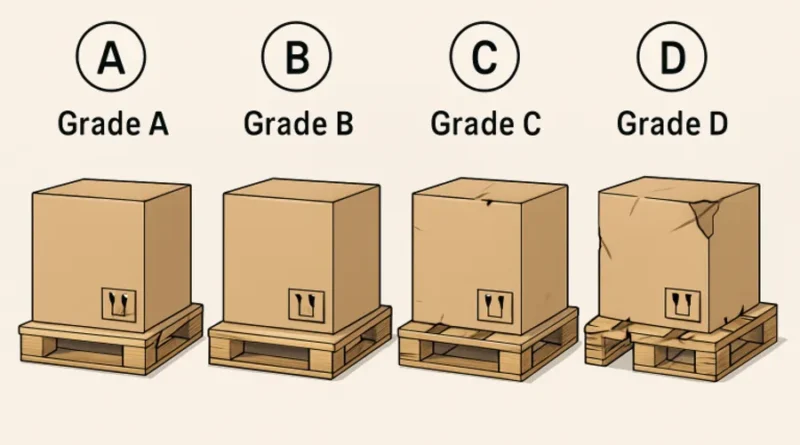
Liquidation pallets are graded to indicate the overall condition of the items they contain. Recognizing the distinctions among grades helps buyers set realistic expectations and better manage the refurbishment and resale process.
Grade A
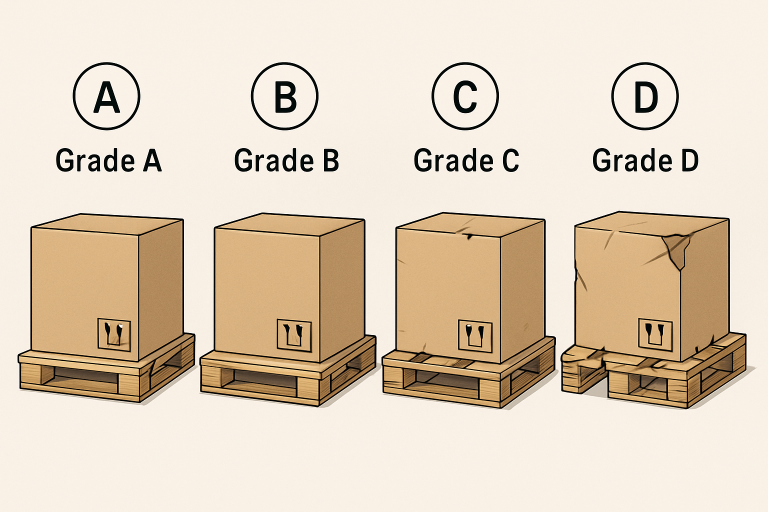
Products in Grade A pallets are new or like-new. These items often still have original packaging and little to no signs of prior handling. Most are considered overstock, shelf pulls, or unsold merchandise. Grade A is ideal for resellers aiming to turn stock quickly with minimal investment in repairs or repackaging.
Grade B
Customers have returned grade B items or come from open boxes. There may be slight cosmetic blemishes or minor signs of use, but the products are generally fully functional. This grade offers a balance between upfront cost and resale potential.
Grade C
Merchandise in Grade C pallets is typically more heavily used. Buyers may find scratches, dents, missing accessories, or functional issues. While often priced lower, these lots may require refurbishment or parts replacement before the products can be sold.
Grade D
The lowest grade, Grade D, contains goods that are heavily damaged, non-functioning, or only viable for parts. These pallets appeal mainly to experienced refurbishers or sellers specializing in salvage and recycling.
Why Grading Matters
Understanding the liquidation pallet grading system is central to a profitable reselling strategy for several reasons.
- Pricing Strategy: Higher-grade pallets command premium prices but also offer inventory that typically requires less preparation before resale. This means faster turnover and increased customer satisfaction.
- Resale Value: Grade A and B items can be listed at closer to retail prices, whereas lower grades will require greater markdowns or investment in refurbishment.
- Customer Satisfaction: High-quality merchandise contributes to positive reviews and repeat business, especially when buyers know what to expect from your listings. According to Forbes, transparent product conditions directly influence resellers’ reputation and overall growth in the rising “liquidation economy.”
Tips for Purchasing Liquidation Pallets
- Research Suppliers: Prioritize established, reputable sources to minimize risk. If a deal seems too good to be true, check the company’s background and look up reviews before purchasing.
- Inspect Manifests: Review every available pallet manifest. A clear manifest details product categories, quantities, and conditions so you can accurately assess resale potential.
- Start Small: For newcomers, begin with a small or sample pallet. This approach helps you gauge quality, shipping costs, and the realism of listed grades before scaling up to larger purchases.
Common Pitfalls to Avoid
The liquidation market opens doors to lucrative deals but also presents real challenges for the uninformed. Consider these common missteps and how to avoid them:
- Unverified Sellers: Beware of sellers without verifiable track records or customer feedback. Scams targeting new buyers have become more frequent, often featuring enticing prices on mystery pallets.
- Hidden Costs: Factor all possible expenses into your calculations: shipping, storage, refurbishment, and listing fees. Sometimes a seemingly cheap pallet becomes expensive after these extras are included.
- Overestimating Resale Value: Use recent sales data from online marketplaces to validate demand and pricing for the pallet’s product mix. Avoid the assumption that all branded goods will sell at near-retail prices.
Final Thoughts
Mastering liquidation pallet grades equips you to make sound investments, minimize losses, and build a successful resale operation. Always research suppliers, verify manifests, and start with manageable orders until you are confident in reading the grades and understanding the risks. By focusing on both quality and market demand, you lay the groundwork for sustainable, long-term growth in the competitive resale industry.
Visit the rest of the site for more interesting and useful articles.
