
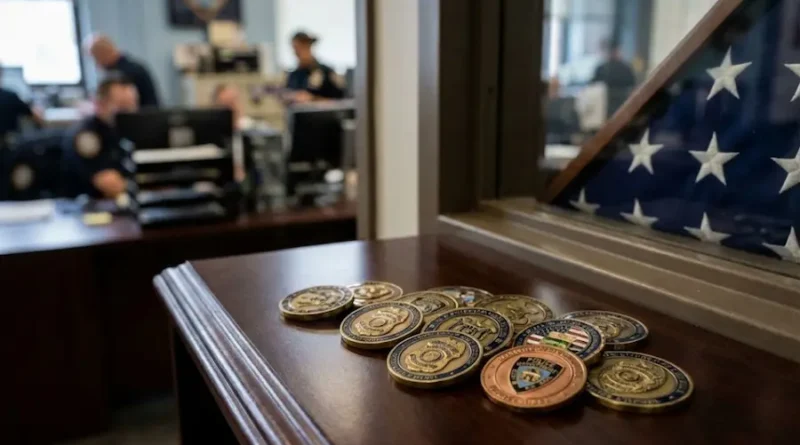
Historic Traditions of Challenge Coins in Modern Law Enforcement
Origins of Challenge Coins
Challenge coins first emerged as a symbol of unity and recognition during the tumultuous days of World War I. The most accepted origin story tells of a wealthy officer who commissioned custom medallions bearing his unit’s insignia, a gesture that quickly became a tradition within his ranks. The compelling tale recounts how one soldier, captured and then escaping enemy lines, proved his identity to his allies with his treasured coin, essentially saving his life. The legacy of challenge coins as an emblem of belonging and loyalty endures to this day, not only within the military but also in other service communities.
Today, these coins represent far more than a simple token. They symbolize the deep bonds of camaraderie, pride, and shared purpose that unite diverse teams. Law enforcement, in particular, has embraced the tradition: police challenge coins are now powerful symbols of honor, discipline, and teamwork. Officers across various departments carry these coins with pride, reinforcing the unity vital to effective policing.
Adoption by Law Enforcement
Law enforcement agencies adopted the tradition of challenge coins to strengthen internal unity and publicly recognize dedication to duty. Whether within city police departments, county sheriff’s offices, or federal law enforcement agencies, these coins serve both as individualized recognition and shared institutional memory. Law enforcement leaders have observed that the simple act of giving a coin can boost morale and reinforce the values central to law enforcement, such as integrity, service, and excellence. This tradition is widely supported by organizations like the National Police Association, which highlights their function in promoting pride and professionalism among officers in the field and at the station.
Symbolism and Design
Every law enforcement challenge coin tells a story. Departments often choose unique designs, incorporating their insignia, special mottos, or emblems that reflect their core values. Gold and silver finishes may be selected to mark high achievements, while other designs commemorate a particular unit’s history or a significant event. Some coins integrate powerful words such as “Honor,” “Integrity,” and “Respect,” reinforcing an officer’s commitment to the department’s mission. The art and symbolism found on these coins have become increasingly intricate and meaningful, turning them into cherished keepsakes for all who receive them.
Modern Uses in Policing
Challenge coins in law enforcement today serve a range of dynamic purposes beyond mere recognition. Here are some of the powerful ways these tokens are woven into the fabric of policing:
- Recognition: Awarded to officers for acts of valor, outstanding achievement, or years of service, these coins operate as portable reminders of accomplishment.
- Commemoration: Used to honor fallen officers, celebrate milestones, or mark significant department initiatives, challenge coins link the past with the present.
- Fundraising: Often, special-edition coins are created and sold to the public, with proceeds supporting department initiatives, charities, or the families of officers in need.
This evolving list of uses continues to grow, reflecting each agency’s unique culture and the varied needs of the communities they serve.
Notable Examples
Several law enforcement agencies maintain particularly rich challenge coin traditions that are widely admired. The National Policing Institute, for instance, issues a commemorative coin to supporters and contributors, which becomes a symbol of respect and commitment to advancing public safety. In Houston, the police department requires its officers to carry coins etched with fundamental values as daily reminders of their pledge to the community.
Other agencies have designed coins to mark the retirement of long-serving officers, the graduation of academy classes, or a partnership between local, state, and federal agencies. These noteworthy examples reveal how challenge coins are used to both celebrate achievement and solidify bonds within and beyond law enforcement ranks.
Collecting and Trading
What began as a symbol of group identity has blossomed into a thriving subculture of law enforcement officers collecting and trading challenge coins. Officers often exchange coins during inter-agency events, training programs, and conferences, honoring mutual respect and camaraderie. Some coins, especially those commemorating high-profile cases or historic events, become particularly coveted and can even attract interest from collectors outside the field. The surging popularity of this tradition now drives an entire market of custom-designed, limited-run coin releases, further weaving challenge coins into the cultural fabric of law enforcement.
Impact on Morale
The impact of challenge coins on morale is profound and widespread. For individual officers, receiving a coin marks a moment of recognition, a tangible symbol that their efforts have not gone unnoticed. This recognition fosters pride, builds team cohesion, and encourages ongoing commitment to professional standards. For entire departments, challenge coins mark important milestones, honor shared values, and build trust. As noted by the Correctional Peace Officers Foundation, these coins embody not only personal dedication but also the collective strength and unity of the entire agency. The role of these coins extends far beyond their material value, serving as both a morale booster and a token of enduring respect in the profession.
Conclusion
The evolution of challenge coins from their military beginnings to an essential tradition in modern law enforcement underscores their enduring value. They act as visual representations of service, sacrifice, and unity, reminding officers and the public of the shared values at the heart of policing. As agencies continue to innovate in how they use, design, and present these coins, the rich tradition will no doubt persist, reinforcing the bonds between officers and the communities they serve for generations to come.
Visit the rest of the site for more interesting and useful articles.
