
Holistic Approaches to Mental Health Treatment: Integrating Traditional and Alternative Therapies
In recent years, an increasing number of mental health professionals and individuals have begun to explore the benefits of holistic care approaches. This shift acknowledges that addressing only one aspect of wellness may not be sufficient for lasting change. True healing comes from a comprehensive strategy that weaves together evidence-based traditional therapies with alternative practices. For those seeking a more integrative experience, mental health treatment options are expanding to address the diverse needs of individuals.
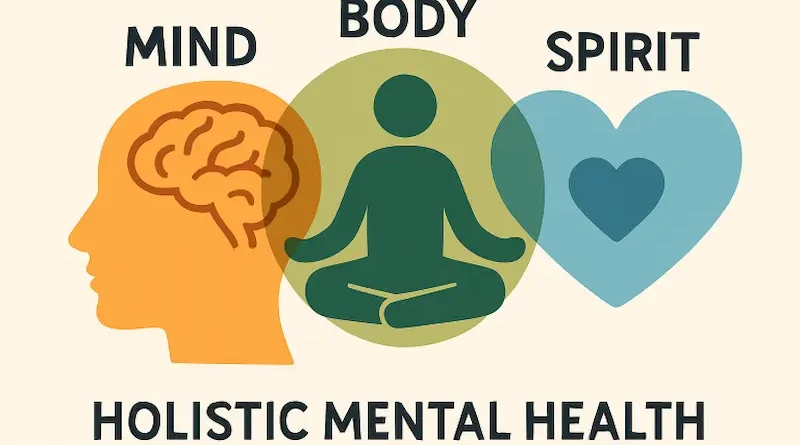
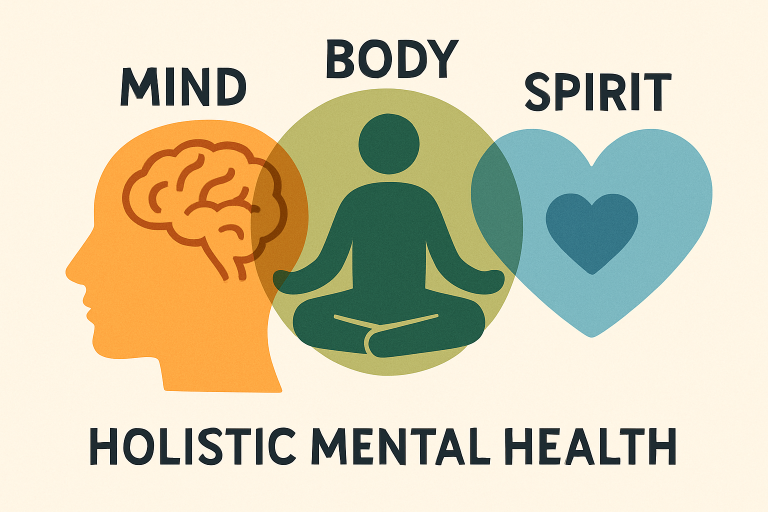
A holistic model of care emphasizes the interconnectedness of the mind, body, and spirit. By blending established psychological interventions with complementary therapies such as mindfulness or nutritional counseling, individuals can find a path to wellness that feels complete and sustainable. This integrated perspective is not just a trend but is increasingly supported by contemporary research and clinical outcomes.
Addressing mental health holistically can also reduce the stigma sometimes associated with treatment. When alternative therapies are included as part of the care plan, many find the process more approachable and empowering. It opens doors for people to become active participants in their own healing, exploring lifestyle changes, and personal practices that support lifelong wellness.
An integrative approach encourages mental health professionals and individuals alike to break free from singular methods. This means exploring everything from cutting-edge medications to ancient mindfulness techniques, all to achieve sustainable recovery and balance.
For further reading on how integrated care models benefit patients across different backgrounds, see the comprehensive overview provided by the Psychology Today Guide to Holistic Therapy.
Introduction
Mental health treatment has traditionally relied on psychotherapy and medication as its main pillars. While these methods have delivered profound benefits for countless individuals, new research and evolving patient needs suggest that a broader lens is required. Holistic approaches address these gaps by merging standard interventions with alternative therapies that foster long-term well-being.
Traditional Therapies in Mental Health Treatment
Traditional therapies remain foundational in mental health care. These include:
- Psychotherapy: Cognitive Behavioral Therapy (CBT) is one of the best-studied forms, focusing on reframing negative thoughts and patterns of behavior.
- Medication: Prescriptions for antidepressants, anxiolytics, and mood stabilizers help manage symptoms in moderate to severe cases.
Despite their proven efficacy, traditional therapies do not always address issues like stress management, lifestyle, or spiritual well-being. Patients with complex or chronic conditions may benefit from additional approaches that address these dimensions.
Alternative Therapies: Expanding the Treatment Spectrum
Alternative therapies aim to provide a more comprehensive sense of wellness by incorporating the physical, emotional, and spiritual aspects of health. Key practices include:
- Yoga and Mindfulness: Yoga integrates physical movement with mindful breathing, while mindfulness training enhances present-moment awareness and reduces emotional reactivity. Scientific studies have demonstrated that regular yoga practice can lower cortisol levels, decrease anxiety, and improve mood.
- Nutritional Counseling: Emerging evidence suggests that balanced diets, particularly those rich in omega-3 fatty acids, antioxidants, and unprocessed foods, play a crucial role in stabilizing mood and supporting cognitive function.
- Acupuncture: Rooted in traditional Chinese medicine, acupuncture stimulates specific points on the body, potentially harmonizing energy flow to alleviate stress, insomnia, and anxiety.
These therapies are increasingly recommended in conjunction with traditional care for individuals seeking comprehensive and sustainable improvement.
Additional insights into the efficacy of alternative therapies in mental health can be found in the National Library of Medicine.
Integrating Traditional and Alternative Therapies
The most effective holistic mental health care blends conventional and complementary techniques. Integration often involves regular psychotherapy while pursuing practices such as yoga, mindfulness-based stress reduction (MBSR), or nutritional adjustments. For instance, a patient engaged in CBT may also participate in weekly yoga to boost self-regulation and resilience. This integrated plan is typically personalized, adjustable, and developed in collaboration with the patient to promote both engagement and efficacy.
Evidence Supporting Holistic Approaches
A growing body of scientific evidence supports the use of holistic care. In a 2025 randomized control trial, patients who received measurement-based care integrating both traditional and complementary therapies experienced faster recovery from depressive symptoms, particularly when tools like the PHQ-9 and GAD-7 were used for regular progress assessments. Additionally, lifestyle interventions modeled after the Mediterranean diet—rich in vegetables, healthy fats, and lean proteins—have shown measurable improvements in mental health outcomes, including a reduction in depression and anxiety. Regular physical activity and mind-body practices, such as tai chi, are also linked to enhanced psychological resilience and reduced stress.
For more on lifestyle medicine and mental health, visit Harvard Health Publishing.
Practical Steps to Implement Holistic Mental Health Care
Adopting a holistic approach to mental health care is a collaborative process between patients and providers. Key steps include:
- Comprehensive Assessment: Providers conduct thorough evaluations covering physical, emotional, social, and spiritual health factors.
- Personalized Treatment Plan: Develop a plan that integrates both traditional therapies and suitable alternative practices based on individual preferences and needs.
- Regular Monitoring: Use validated clinical tools to track symptom changes and overall progress, ensuring adjustments are made as needed.
- Patient Education: Empower patients with information on the benefits, evidence, and best practices related to both traditional and alternative therapies, enabling informed decision-making and active participation in their care.
Conclusion
Holistic mental health care recognizes that there is no “one-size-fits-all” approach to wellness. By integrating traditional treatments with proven alternative therapies, patients can benefit from individualized plans that target the multifaceted nature of mental health. This comprehensive care model can improve engagement, reduce stigma, and offer sustainable progress toward recovery. As the evidence base grows, the future of mental health treatment lies in approaches that honor the whole person—mind, body, and spirit.
Visit the rest of the site for more interesting and useful articles.
