
How AI Audio-to-Text Tools Are Transforming Productivity for Creators and Businesses
AI-powered transcription has quietly moved from a slow, specialist task into a daily helper for people who work with audio. Students record lectures, journalists capture interviews, podcasters produce hours of content each week, and business teams hold frequent meetings, all generating spoken material that needs to become text. For many years, that process involved sitting at a desk, replaying the same audio over and over, pausing every few seconds, and typing each sentence by hand.
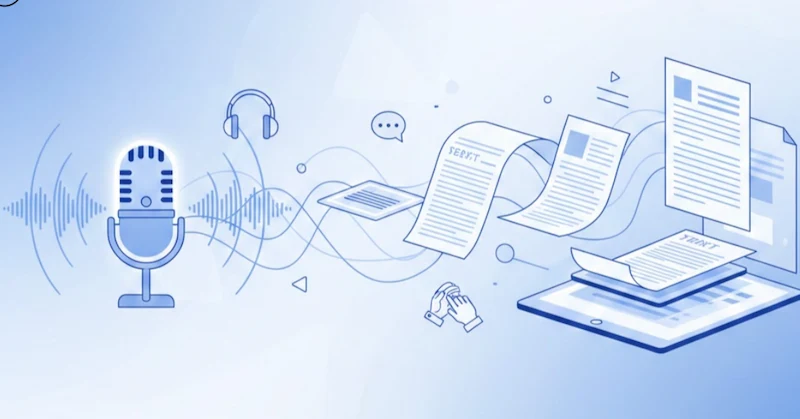
That approach drained time, focus, and energy. Modern solutions now handle this conversion in minutes, sometimes even in real time. By using an online audio to text tool inside a browser, users can upload a recording and receive a readable transcript almost instantly. This shift has turned transcription into a routine task rather than a burden.
People no longer need advanced skills or expensive software to make sense of recorded speech. They can rely on smart systems that recognize different voices, handle accents, and identify common speech patterns, all while keeping the process simple and accessible for the general public.
Why turning spoken words into text has become essential?
Converting voice into written content matters because text is easier to search, organize, share, and reuse. When a student converts a lecture recording into text, they can highlight key points, copy important lines into their notes, and review lessons before exams without listening to the full recording again. Journalists can turn interviews into articles much faster when they can scan through a transcript instead of replaying audio multiple times.
Business teams benefit in a similar way. Meetings often contain decisions, action items, and ideas that need to be recorded for later reference. When those meetings are converted into clean text files, every team member can review what was said, even if they were not present. This also helps avoid misunderstandings, because the exact words spoken are available in written form.
Another reason audio-to-text matters is accessibility. Written transcripts support people who are deaf or hard of hearing. They also help individuals who process information better through reading than listening. Teachers and content creators can share both audio and text formats, making their material available to a wider audience. This improves inclusion and communication in classrooms, workplaces, and online communities. Transcription has therefore moved from being a simple convenience to becoming an important part of clear and equal communication.
How MP3 conversion simplifies daily workflows?
Many creators and professionals store recordings in MP3 format because it is widely supported and easy to share. Podcasts, voice notes, interview recordings, and training sessions are all commonly saved as MP3 files. The challenge appears when users need to pull information from these recordings without listening to the entire file from start to finish. A browser-based MP3 to text converter solves this issue by allowing users to upload the file and receive a transcript in plain text. This quickly turns long recordings into easy-to-skim documents.
For podcasters, this means they can create show notes, captions, blog summaries, or social media posts based on a spoken episode. Instead of writing everything from scratch, they can use the transcript as a base. Video creators can also turn their audio tracks into subtitles, which helps viewers follow along even without sound. Educators can prepare study materials from their recorded lessons. Each of these tasks becomes quicker and more accurate because the original spoken content already exists in written form. As a result, creators spend less time on repetitive work and more time planning ideas, improving quality, and engaging their audience.
Industries that are seeing real productivity growth
AI-based transcription now supports many different industries, each with its own needs and goals. In education, teachers and students rely on it to review lessons, prepare assignments, and document discussions. Schools and universities also use it to make content accessible for students with hearing difficulties. In journalism and media, writers save hours by using transcripts for interviews, press briefings, and reports. This allows them to publish stories faster while keeping accuracy high.
In the healthcare field, doctors and nurses record patient notes and meeting summaries. Turning these recordings into text helps with documentation, reduces manual paperwork, and lowers the risk of missing important details. Legal professionals also benefit when they convert client meetings, courtroom recordings, and testimonies into written documents. They can search transcripts for specific terms and review details with ease. Marketing and content teams regularly convert brainstorming sessions or feedback interviews into text so they can track ideas, plan campaigns, and align goals across departments. In each of these sectors, transcription does the same basic job, yet the impact is wide and meaningful. Time is saved, clarity is improved, and teams stay organized.
Speed, accuracy, and trust in modern systems
One of the main concerns people have when using automated transcription is accuracy. Early tools often struggled with background noise, fast speech, or strong accents. Today’s models have improved greatly. They use advanced language processing to understand context, separate speakers, and reduce common errors. Even when a transcript is not perfect, it is usually clear enough that a user can review and correct minor issues within minutes, instead of spending hours typing every line from scratch.
Speed is another major advantage. What once took a person three or four hours to transcribe can now be completed in a small fraction of that time. Many tools offer near real-time results, which means users can start reviewing text almost immediately after uploading a file. This rapid feedback is especially useful for busy teams working on tight deadlines. They can make decisions and move forward without long delays. Over time, this consistency builds trust. People learn that they can rely on these systems as part of their daily routine, making productivity steady and predictable.
Browser-based access and privacy awareness
Many of the newer solutions run directly in a web browser. This means users do not need to download large programs or worry about complex installation steps. They can simply open a webpage, upload or record audio, and receive a transcript. This easy access makes the tools friendly for beginners as well as advanced users. It also helps people who use different devices, such as laptops, tablets, or shared office computers.
Privacy also matters. Reputable platforms understand that audio files can include private conversations, business plans, personal data, or school information. That is why many services now focus on secure handling, short-term file storage, and clear deletion policies. By choosing platforms that respect privacy and offer transparency, users can enjoy the benefits of AI transcription without worrying about misuse. This balance of convenience and safety makes the tools suitable for personal, educational, and professional use.
How people work with information?
The ability to turn spoken words into text has changed how people think about information. Instead of choosing between listening or writing, they can combine both. They can speak their ideas freely, record them, and then turn those thoughts into clean, organized documents. This helps creative thinking because it removes the pressure of typing during brainstorming. It also supports better planning, because every conversation can be reviewed later without relying on memory alone.
For businesses, this means smoother collaboration. Team members can review transcripts before meetings, catch up on missed discussions, and stay on the same page. For creators, it means faster content production and better organization of ideas. For students, it means improved learning and less stress during revision. These changes may seem small at first, but over time they lead to a noticeable increase in efficiency and confidence. People feel more in control of their workload, because they can manage information in a way that fits their lifestyle.
Conclusion
AI audio-to-text tools have changed the way people handle spoken information in daily work and creative projects. By turning hours of listening and typing into a fast, smooth process, these tools help students study better, journalists meet deadlines, creators produce more content, and business teams stay organized. The simple act of converting speech into written words now supports better planning, clearer communication, and stronger record-keeping. With browser-based access and growing focus on privacy, these tools fit easily into modern routines. As more voices turn into useful text, people gain more control over their time and ideas, leading to smarter, more focused productivity every day.
Visit the rest of the site for more interesting and useful articles.
