

How Consistency Builds Brand Value Over Time
In today’s fiercely competitive business landscape, establishing and growing brand value can seem daunting. However, a foundational principle stands out as timeless: consistency. Whether your company is just starting or looking to scale, a cohesive brand focus impacts every aspect of growth. Maintaining a distinct brand presence not only reassures customers but also lays the groundwork for loyalty—a crucial ingredient in long-term success. To achieve this, many businesses turn to a professional branding agency for Utah companies to help them establish and maintain consistent branding strategies from the outset.
Consistency across all brand touchpoints cultivates a recognizable and memorable identity. When messaging, visuals, and tone align, regardless of where consumers engage with your business—whether it’s a website, social media channel, or product packaging—they experience a sense of reliability. This repetition builds emotional connections and encourages ongoing engagement. According to Forbes, brands that invest in consistent presentation can increase their revenue by as much as 23 percent over those that don’t prioritize unity in their communications.
While trust and recognition are often discussed as benefits of branding, achieving them requires intentional effort. It means setting standards, adhering to them through training and audits, and continuously evolving your brand assets to stay relevant. In a digital-first environment, where consumers are saturated with choices, it’s brands that create predictability and clarity that win customer loyalty.
Consistency is not about rigid repetition—it also incorporates flexibility. The strongest brands know when to adapt without abandoning their core identity, ensuring they’re both memorable and relevant in changing markets.
The Role of Consistency in Brand Trust
Building trust takes time, and consistency is the vehicle that drives it. Each touchpoint—whether it’s a digital ad, a brick-and-mortar storefront, or customer service interaction—should reflect the same message and values. Over time, this congruency fosters an emotional sense of security for customers. Case studies from legacy brands like Coca-Cola and Apple illustrate how continuity in logos, messaging, and tone has translated into lasting consumer trust. According to Forbes, customers crave familiarity, and it’s this very consistency that builds deep-rooted loyalty.
Enhancing Brand Recognition Through Uniform Messaging
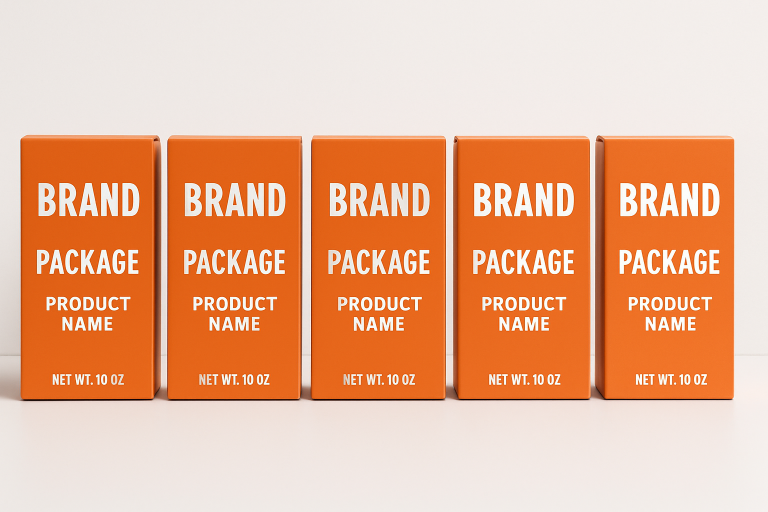
Uniform messaging acts as the linchpin of brand recognition. Psychologists often cite the mere exposure effect—the more often a person encounters a brand, the more likely they are to recognize and trust it. When brands present a consistent color palette, tagline, and image, they stay top-of-mind for consumers. Think of McDonald’s golden arches or Nike’s swoosh; these icons are instantly recognizable thanks to carefully cultivated uniformity. As The New York Times notes, repetition and reinforcement of distinct branding elements create stronger recall during a buyer’s decision process.
Consistency as a Revenue Driver
Maintaining consistency isn’t just about aesthetics; it makes a measurable impact on the bottom line. Businesses that maintain uniform branding across all customer interactions tend to experience faster growth and higher customer retention. A 2023 report published by Forbes found that consistent brands enjoy a 33% higher average revenue than those that allow their messaging and visuals to drift. Reliable branding translates into repeat purchases, positive word of mouth, and new customer acquisition, driven by the promise of what your business stands for.
Balancing Consistency and Agility
Strong brands strike a balance between steadfast consistency and a willingness to adapt. While a long-standing logo or slogan can anchor a brand in the minds of buyers, markets, and consumer expectations evolve. The most successful companies refine their image periodically, making subtle changes that keep the brand fresh while retaining its essence. Agility allows brands to remain relatable and competitive without undermining the trust built through consistency. For example, updating a visual identity or addressing new social values in campaigns demonstrates that a brand listens to its audience, while continued commitment to core messaging sustains recognition.
Implementing Consistency Across Platforms
Develop a Brand Style Guide
A comprehensive style guide is foundational for consistent branding. It should outline essential elements such as acceptable logo usage, fonts, color palettes, and tone of voice. This ensures that every internal and external piece of content follows the same standards.
Train Your Team
Even the best guidelines fall short if not implemented. Conducting regular training ensures everyone—from marketing to customer service—understands and adheres to the branding norms, so all public-facing messages are in lockstep.
Regular Audits
Set a cadence for reviewing all branded assets and communication channels. This way, inconsistencies or off-brand messages can be corrected quickly, preserving the unified front that builds customer confidence and reinforces professional credibility.
Real-Life Example: Nike’s Consistent Branding
Nike offers a masterclass in consistency. The iconic “Just Do It” slogan and swoosh logo have remained unchanged for decades, appearing across advertisements, products, sports events, and digital platforms. This uniformity has not only made Nike a globally recognized name but also a symbol of athletic aspiration and excellence. Their steady voice and clear visual language continue to resonate with consumers worldwide, illustrating the transformative power of consistent branding.
Conclusion
Consistency is the backbone of enduring brand value. Through deliberate, cohesive branding efforts across all platforms, businesses can build trust, drive recall, and maximize revenue growth. In a marketplace where differentiation and familiarity determine the winners, investing in consistency enables brands to leave a lasting impression on consumers and establish a solid foundation for future success.
Visit the rest of the site for more interesting and useful articles.
