
How Safe Are Electrical Panels in Modern Homes?
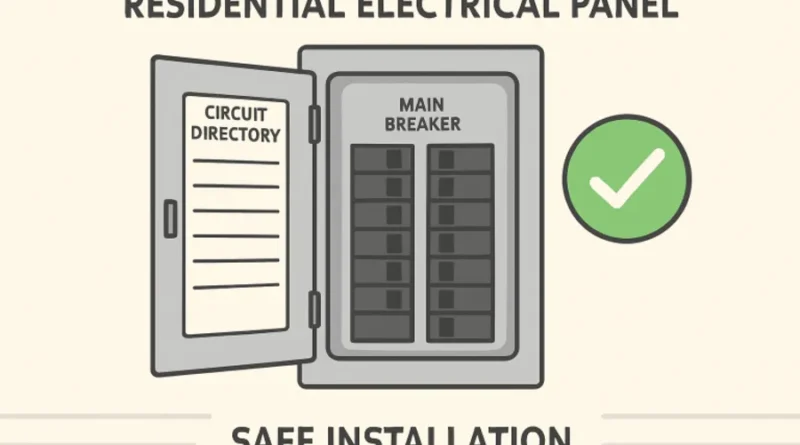
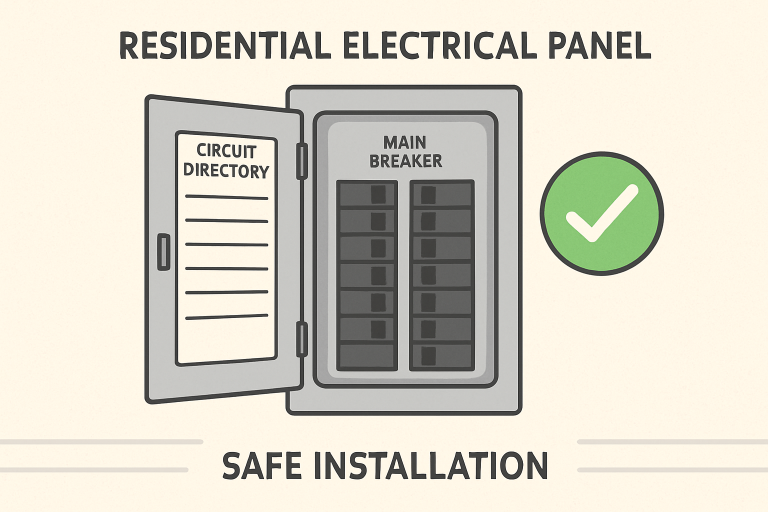
Electrical panels, often called breaker boxes or distribution boards, are critical components in every home. They serve as the central point where electricity enters the house and is routed to each circuit. A safe and functional panel protects residents from dangers such as electrical shocks and fires while meeting the electrical demands of today’s devices. For those experiencing issues or looking to ensure their home’s electrical safety, exploring Electrical main panel repair in Orange County, CA, is an essential step toward safeguarding your property.
As technology evolves, modern electrical panels have significantly improved in safety and efficiency, but many homes still operate with outdated panels that may pose serious risks. Homeowners should recognize when upgrades are necessary and understand the benefits of modern systems for both safety and peace of mind.
Electrical panel safety is not only a matter for those with older homes. With increased energy use from modern appliances, even relatively new panels can be stressed if not correctly maintained. Staying informed about your panel’s condition is key to preventing hazardous incidents and keeping your home up to electrical code.
Because electrical hazards are a leading cause of home fires, knowing when your system needs attention is crucial. Consulting reliable guidelines, such as those provided by the National Fire Protection Association (NFPA), can help homeowners make safer choices and understand when it’s time for an expert evaluation.
Risks of Outdated Electrical Panels
Older electrical panels present multiple risks to homeowners, especially as they age and electrical usage patterns change. Many of these panels were manufactured before today’s safety standards were in place, making them less equipped to handle the surge in appliances and electronics found in most homes now.
- Fire Hazards: Outdated panels are far more likely to overheat. The United States Fire Administration reports that about 24,000 residential electrical fires occur each year, many linked to faulty or outdated panels and wiring.
- Overloaded Circuits: New appliances and electronic devices can strain older systems, causing dangerous overloads that trip breakers or even bypass them entirely in unsafe conditions.
- Lack of Safety Features: Many outdated models lack GFCIs or AFCIs, technologies now required by code in many areas due to their effectiveness in preventing electrical shock and fire.
Manufacturers may issue recalls or advisories for certain legacy panel models. Researching your specific panel model on reputable consumer sites or using Consumer Reports checklists can reveal hidden risks and help prioritize necessary upgrades.
Signs Your Electrical Panel Needs an Upgrade
Sometimes, your panel gives clear signals that maintenance or replacement is needed. Understanding these warning signs can help prevent minor problems from escalating into significant safety hazards.
- Frequent Breaker Trips: Repeated breaker trips often indicate the panel cannot handle the circuit’s load or that a component is faulty.
- Flickering Lights: If lights dim or flicker when appliances operate, the panel may be underpowered for the load.
- Burning Smell or Scorch Marks: Any burning smell or scorch marks around the panel indicate dangerous overheating. Immediate professional inspection is advised if these occur.
- Use of Fuse Boxes: Older homes may still use fuse boxes, which are less safe than circuit breakers and not compliant with modern code. Such systems should be replaced promptly.
Benefits of Upgrading to Modern Electrical Panels
Upgrading to a modern electrical panel is an investment in your home’s safety and value. Today’s panels are engineered for efficiency and robust protection against many hazards that older panels cannot address.
- Enhanced Safety: New panels feature updated safety technology, including AFCIs and GFCIs, that significantly reduce the risk of electric shock and fire.
- Increased Capacity: Modern panels are designed to support the higher energy demands of today’s families and the increasing use of smart home devices and appliances.
- Compliance with Codes: An updated electrical system ensures your home meets the latest building codes, which matters for home insurance and can facilitate a smoother sale if you decide to move.
- Improved Energy Efficiency: Properly functioning panels can help optimize energy distribution, reducing wasted energy and lowering utility costs over time.
Choosing the Right Professional for Panel Upgrades
Certified experts should always handle electrical panel work. The process involves careful handling of live circuits, compliance with municipal codes, and attention to safe installation best practices.
- Licensing and Certification: Confirm that your chosen electrician holds up-to-date credentials and is authorized to work within your state or locality.
- Experience: Prefer electricians who specialize in panel upgrades and have a portfolio of completed projects similar to yours.
- References and Reviews: Reading customer reviews or speaking with past clients ensures that the electrician has a reputation for quality and reliability.
- Detailed Estimates: Reliable contractors provide written estimates that clearly explain the work to be done and associated costs, reducing the chances of surprises.
Conclusion
Safe and up-to-date electrical panels are essential for any modern home. Regular inspection and professional upgrades, when needed, help prevent dangerous situations, meet building codes, and ensure your home runs efficiently. Homeowners should remain alert to warning signs from their electrical systems and take quick action by consulting professionals whenever safety is in question. A proactive approach to electrical maintenance supports both the safety and longevity of your home’s most essential systems.
Visit the rest of the site for more interesting and useful articles.
