
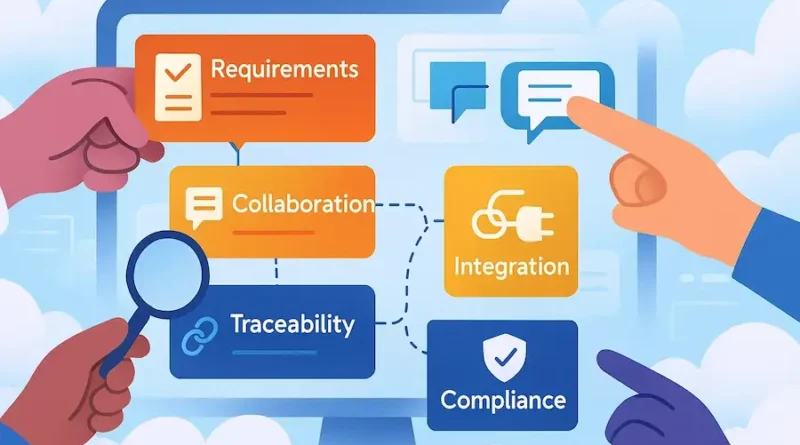
How to Implement a Seamless Supplier Integration Strategy?
Organizations looking towards achieving efficiency and growth are now relying on supplier partnerships to build effective connections with them. Implementing a well-thought-out supplier integration strategy can yield considerable advantages. Having dependable partnerships with suppliers helps companies always keep the production flowing, minimize waiting times, and secure high quality. Learning about how to implement such a strategy can change the nature of how organizations operate.
Understanding Supplier Integration
Supplier integration involves the coordination of a company with its suppliers. This will ensure that both can work together harmoniously. Successful integration strategies are built on clear communication and mutual trust. Organizations that are effective in this process will experience faster deliveries and better products, with products that just meet customer expectations.
Laying the Groundwork
Before organizations embark on any supplier integration strategy, they must assess existing systems. They must also assess supply chain practices. Existing practices can offer insight into areas of improvement. Recognizing gaps and inefficiencies lays a solid groundwork for upcoming improvements. Involving key stakeholders from various departments can guarantee that every perspective is taken into account, resulting in more balanced and thus practical solutions.
Setting Clear Objectives
Every integration project is driven by goals. Additionally, establishing clear objectives keeps the process on track and allows progress to be measured. Some examples pertain to objectives such as reducing lead time or cost and enhancing product quality. If organizations identify these goals early, they can monitor progress and adapt better.
Choosing the Right Technology
Digitalization has become the backbone of supplier integration today. Software that allows real-time data movement and communication is key. Automation and monitoring systems also play a role in reducing errors, increasing efficiency, and minimizing manual work. The right technology enables seamless operations, which makes partnering with suppliers significantly easier.
Establishing Open Communication
Ensuring transparent communication cultivates better relationships with suppliers. Regular meetings or updates can address these concerns and turn them into solutions directly. Mutual understanding and trust become possible through open exchanges of information. The clearer suppliers and buyers communicate, the smoother the resolution of issues and the quality of the decisions made together.
Collaborative Planning
Joint planning allows suppliers and organizations to harmonize their respective plans and resources. Collaborating on forecasts and inventory management can prevent the risk of shortages and overstock. Exchanging demand and production numbers frequently makes it easier for both sides of the partnership to react to changing requirements. It results in fewer interruptions and a smoother process.
Continuous Improvement
Supplier integration must be ever-evolving. Frequent performance reviews and feedback assist in continuous improvement. A strategy that repurposes itself based on the results of integration validates that the integration efforts are consistently creating value. Regular training sessions or workshops can keep teams updated on the best practices. These practices enhance cross-team collaboration even further.
Risk Management
Every supply chain faces uncertainties. Determining any potential risks, such as issues related to delay in shipment or quality, will ensure that the companies can get prepared beforehand. Avoid disruptions by having disaster management plans with your suppliers. The inclusion of flexibility in agreements enables both sides to adapt quickly to changing conditions, ensuring business continuity.
Measuring Success
Monitoring key performance indicators can go a long way in assessing how well integration efforts may be working. It helps assess using metrics such as order accuracy, delivery times, and defect rates. Assessing results against initial goals identifies where the approach is working and where it is not. Recognizing achievements can drive the team forward and also help reinforce supplier relationships.
Building Strong Relationships
Real integration is based on trust and respect. Viewing suppliers as partners, not just as vendors, leads to long-term collaboration and trustworthiness. Awarding recognition for a supplier’s superior performance can also go a long way. Also, long-term relationships are likely to offer better and steadier results than short-term contracts.
Conclusion
For seamless integration of the supplier, a systematic approach is vital. Organizations stand to gain a great deal when they are aware of the process, have clear goals in mind, and create the right conditions for dialogue. Long-term success will still rely on an ongoing commitment to improving and building relationships. An integrated supplier network is important for growth, efficiency, and resilience, all of which help companies successfully compete in a dynamic landscape.
Visit the rest of the site for more interesting and useful articles.
