
How to Keep Your Home Warm and Safe This Winter
As winter settles in and temperatures dip, ensuring your home remains both warm and safe is essential for comfort and well-being. With the right strategies, you can keep your household cozy while minimizing the risks of cold weather. By proactively addressing drafts, maintaining your heating system, and following key safety practices, you can avoid common pitfalls and protect your loved ones. For those dealing with older heating systems, timely repairs are crucial. Browse local services, such as furnace repair in Tyler, TX, to ensure your furnace operates efficiently and safely all season long.
Whether you’re winterizing your house for the first time or looking to improve your existing routine, addressing everything from drafty windows to proper use of heating appliances is critical. Small preventive measures, such as sealing gaps and preparing for power outages, can make a substantial difference not only to comfort but also to safeguarding your home from unexpected hazards.
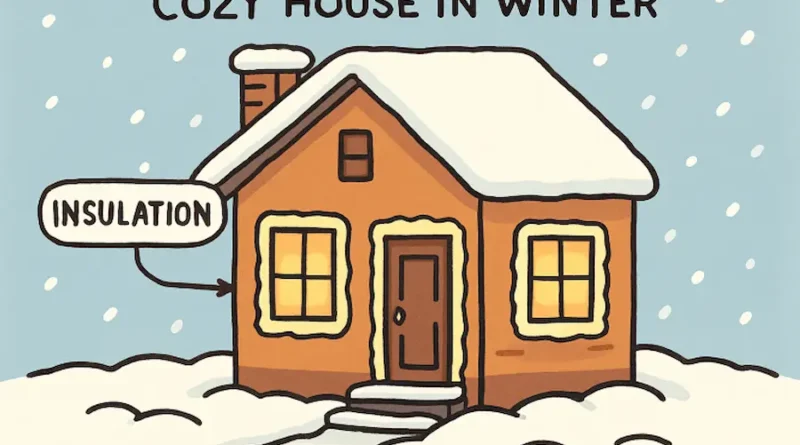
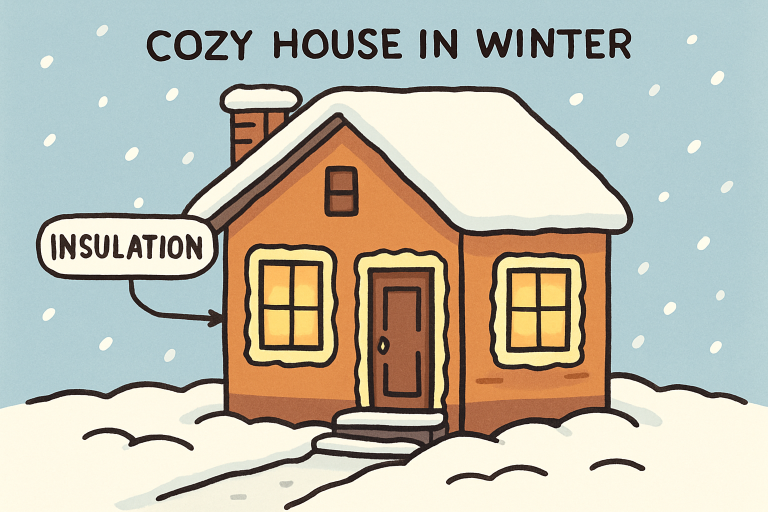
Seal Drafts and Insulate Your Home
Significant energy and warmth loss often occur through unseen gaps around doors, windows, baseboards, and even electrical outlets. Start by walking through your home and checking for any noticeable drafts—common entry points for cold air. Weatherstripping, caulking cracks, and installing draft stoppers are highly effective solutions.
Many homeowners overlook insulating electrical outlets and switch plates, but this can be an easy fix with a big payoff. Adding pre-cut foam gaskets behind these fixtures helps block out phantom drafts in just minutes.
Thorough insulation in the attic, basement, and crawl spaces further ensures heat stays inside, keeping energy bills in check and comfort levels steady.
Your heating system is the heart of home comfort during winter. Annual professional inspections and tune-ups for your furnace, boiler, or heat pump are crucial for maximizing efficiency, preventing breakdowns, and detecting potentially dangerous issues such as carbon monoxide leaks. If your heating unit is older or frequently needs repairs, it may be time to replace it with a modern, energy-efficient model. Not only can this cut down costs, but it can also increase your home’s resale value and safety.
Don’t forget to replace air filters regularly (usually every 1-3 months during heavy use) and check that vents or radiators aren’t blocked by furniture, curtains, or rugs. These simple steps help your system distribute heat more evenly throughout your home.
Use Heating Appliances Safely
Space heaters, fireplaces, and other supplemental heating sources pose risks when misused. Always read and follow the manufacturer’s instructions, and place heaters on a level, non-flammable surface at least 3 feet away from furniture, drapes, and bedding. Never leave a space heater unattended or run extension cords for high-wattage appliances, as this increases fire hazards. Importantly, avoid heating your home with ovens or stovetops a major fire and health hazard due to the risk of carbon monoxide buildup.
Installing carbon monoxide detectors on every level of your home and testing them monthly is imperative for early detection of this silent threat.
Prevent Frozen Pipes
Pipes exposed to freezing temperatures, typically those running along exterior walls or in unheated areas, are at risk of freezing and rupturing. Drain and disconnect outdoor hoses, insulate pipework in vulnerable spaces, and on extremely cold nights, allow faucets to drip slowly to keep water moving. This small trick can prevent pressure from building up inside frozen pipes. Learn more practical steps on how to prevent and manage frozen pipes.
Ensure Proper Ventilation
Sealing up your home for winter also means paying attention to air quality. Use kitchen and bathroom exhaust fans to remove moisture that can lead to mold growth and poor air quality. Be mindful of the pollutants produced by burning candles or using wood fireplaces ventilation is key to keeping your home healthy, especially if someone in your family has allergies or asthma.
Monitor Indoor Temperatures
The World Health Organization recommends maintaining a minimum indoor temperature of 64°F for healthy adults and 68–70°F for infants, the elderly, or anyone with chronic health conditions. Use programmable thermostats to ensure consistent warmth, especially overnight or while you’re away. Smart sensors that alert you to temperature drops can be particularly helpful for families with children or elderly relatives, ensuring safe and comfortable living conditions at all times.
Prepare for Power Outages
Winter storms can strike unexpectedly, sometimes knocking out utilities. Be ready with an emergency kit that includes flashlights, batteries, non-perishable food, bottled water, blankets, and necessary medications. If you use a portable generator, always set it up outdoors and away from doors or windows. Never run a generator inside your home or garage due to severe carbon monoxide risks.
Stay Informed
Remaining vigilant about weather patterns and local advisories is more than just good practice; it’s a necessary step for planning your actions before, during, and after winter storms. Sign up for emergency alerts and follow updates from trusted sources like the National Weather Service to stay ahead of developing conditions.
By integrating these strategies, you’ll not only maximize the warmth and safety of your home, but you’ll also gain peace of mind knowing you’re prepared to handle whatever winter brings.
Conclusion
Winter comfort and safety rely on preparation, smart energy use, and ongoing awareness. By sealing drafts, maintaining your heating system, and taking precautions with supplemental heat sources, you can create a warm and efficient home environment all season long. Protecting pipes, improving ventilation, and monitoring indoor temperatures help safeguard both your property and your family’s well-being. And with a reliable plan for storms or outages, you’ll be ready for unexpected challenges that come with harsh winter weather. With these proactive measures in place, you can enjoy a cozier, safer home and face the colder months with confidence and peace of mind.
Visit the rest of the site for more interesting and useful articles.
