
How to Stay Resilient When Markets Slow Down
When the markets hit a rough patch and economic growth stalls, it’s natural to feel a sense of unease. Whether you’re a seasoned investor or just starting out, navigating these downturns can feel daunting. Fortunately, by applying the right strategies, you can protect your financial well-being and position yourself for long-term growth. The key is to focus on sustainable habits that support resilience, helping you ride out turbulence and make sound decisions. For guidance on managing your investments during challenging times, this resource on how to invest in a bear market offers practical insights and examples.
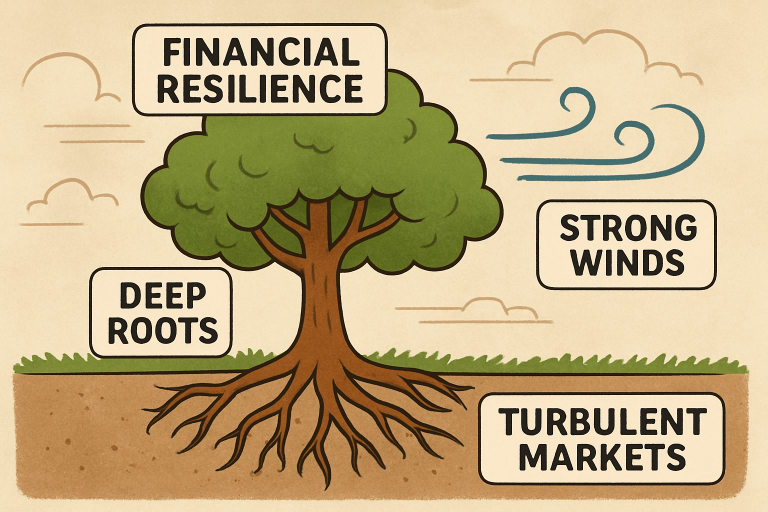
Periods of economic uncertainty don’t have to threaten your financial security. Instead, they present an opportunity to reinforce the fundamentals of good money management—building a safety net, managing risk, and staying focused on your overarching goals. Approaching these times with a proactive mindset can give you greater confidence and control as you face what’s ahead.
Diversify Your Investment Portfolio
Diversification remains one of the most fundamental ways to cushion your finances against market downturns. By allocating your resources across various asset classes—such as equities, fixed-income securities, and real estate—you can buffer yourself from sharp declines in any single category. This strategy is effective because different asset classes respond differently to market cycles. Stocks, for instance, may dip while bonds gain in value, creating a balancing effect that lessens portfolio volatility. According to Forbes, diversification is considered a cornerstone for reducing overall investment risk and promoting steady growth over time.
Build a Strong Emergency Fund
An emergency fund isn’t just a financial safety net—it’s a core component of your resilience strategy. Ideally, it should cover at least 6 to 12 months of living expenses. Having this cash reserve set aside means you can handle essential costs like rent, groceries, or medical bills if your income decreases or if you face other unforeseen setbacks. Equally important, it allows you to avoid liquidating investments during a downturn when prices may be temporarily depressed. As CNBC points out, a well-funded emergency account gives you peace of mind and keeps long-term plans on track.
Focus on the Long-Term
Market swings—sometimes dramatic—are a normal part of investing. While it’s tempting to react to headlines or sudden drops in value, history repeatedly shows that maintaining a long-term focus yields the greatest rewards. During downturns, remind yourself of your core reasons for investing and avoid making knee-jerk decisions. Over time, the stock market has consistently demonstrated an impressive ability to recover from setbacks and continue its upward march. Patience and discipline are essential qualities for successful investors, particularly in times of uncertainty.
Regularly Review and Adjust Your Financial Plan
Setting a financial plan is just the beginning—regularly reviewing your plan ensures it evolves in tandem with your goals and life changes. Consider checking in on your portfolio at least annually, or after significant market changes. Assess if your investments still align with your time horizon, appetite for risk, and personal circumstances. Adapting your plan as needed helps you maintain confidence through volatility and keeps your financial journey on course.
Stay Informed but Avoid Overreacting
Staying up to date on financial news empowers you to make informed choices, but beware the perils of information overload. Constant news cycles can stir anxiety and prompt impulsive decisions that derail long-term goals. Instead, rely on trusted sources for periodic updates, and remember that well-constructed investment plans are designed to endure short-term fluctuations.
Seek Professional Advice
If you’re unsure about your investment strategies or how to adjust to a market slowdown, professional guidance can provide clarity. Financial advisors possess the experience and resources to assess your unique situation and develop strategies tailored to your specific needs. Their insights can be especially valuable during periods of uncertainty, offering reassurance and actionable options you might not have considered.
Consider Alternative Income Streams
When the pace of investment growth slows, exploring new sources of income can provide greater flexibility. Part-time jobs, freelance roles, or passive income from assets such as rental properties or dividend investments can help supplement your primary earnings. Diversifying your income helps reduce dependence on your investment portfolio, giving you more financial breathing room during downturns.
Practice Financial Discipline
Budgeting is essential during every economic cycle—but it’s especially crucial when cash flow is tighter. Scrutinize your discretionary spending and identify areas where you can cut back, prioritizing essential needs over non-essential wants. By keeping expenses in check, paying down debt, and building up savings, you enhance your ability to weather tough markets and stay focused on long-term aspirations.
Final Thoughts
Market slowdowns can test even the most experienced investors, but they don’t have to undermine your financial security. By adopting core strategies such as diversification, discipline, and continuous planning, you can remain resilient and confident in the face of volatility. Remember: markets are cyclical, and with a long-term perspective, downturns become opportunities to reinforce your foundation and prepare for the eventual rebound.
Visit the rest of the site for more interesting and useful articles.
