

Innovative Strategies for Effective Experiential Marketing Campaigns
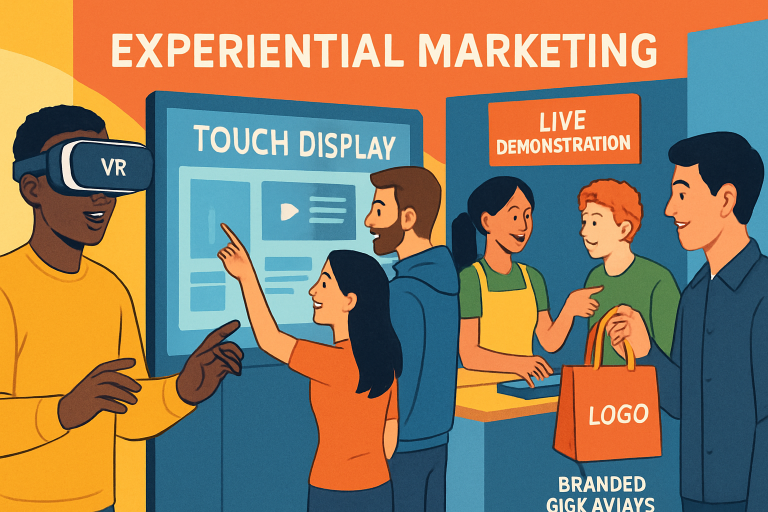
Experiential marketing is rapidly reshaping the way brands engage with consumers, moving far beyond conventional advertising to offer dynamic, interactive experiences. This approach focuses on forging deep, memorable connections by bringing a brand’s core values and offerings to life through live events and immersive activations. Today, brands are increasingly turning to partners like Assist Marketing Event Staff Agencies to deliver seamless, well-coordinated experiential campaigns that captivate audiences and drive authentic engagement.
To maximize impact, marketers are leveraging cutting-edge technologies and out-of-the-box event formats. Innovative tactics not only stimulate greater audience participation but also generate shareable moments, fostering brand advocacy both in-person and across digital platforms. These strategies cater to a new generation of consumers seeking meaningful, multisensory connections that leave a lasting impression and establish strong brand loyalty.
As brands shift from traditional to experiential marketing, the importance of creativity and personalization is at an all-time high. The most successful campaigns seamlessly integrate digital and physical elements, making every touchpoint an opportunity for meaningful interaction. Whether it’s through technology, customization, or influencer partnerships, experiential marketing can elevate brand presence and differentiate organizations in crowded markets.
With the ever-growing demand for original brand experiences, adopting the latest experiential marketing strategies is essential for staying ahead. From sensory activations to AI-driven personalization, brands that invest in these approaches are poised to create memorable and impactful engagements that foster ongoing consumer relationships.
1. Sensory Brand Activations
Brands that engage multiple senses create powerful moments that resonate deeply with audiences. For example, McDonald’s and Lynx have utilized aromatic billboards to transform traditional marketing into immersive experiences. Such activations connect emotionally with attendees and are often widely shared both onsite and online, solidifying brand recall and providing value far beyond the event itself.
2. Gamified Social Sharing Challenges
Gamification introduces competition and fun, encouraging attendees to engage and share their experiences. For instance, brands have implemented interactive challenges and games at events to increase both engagement and social sharing. When attendees are rewarded for their participation, the campaign’s reach naturally extends via user-generated content, turning each participant into a brand advocate.
3. Personalized and On-Demand Swag Experiences
Personalization has redefined event giveaways. Instead of generic merchandise, brands now offer on-demand customization—guests can design sneakers, tote bags, or engraved gifts. This approach generates higher attendee satisfaction and increases the chance that branded items continue to serve as marketing touchpoints long after the event. Personalization also demonstrates a brand’s attention to detail and its commitment to creating memorable individual experiences.
4. Augmented Reality (AR) Treasure Hunts
Integrating AR into campaigns allows brands to craft entire digital adventures layered onto real-world locations. For example, brands have created AR-powered treasure hunts that challenge participants to discover hidden digital items via event space markers, blending exploration, exclusivity, and social interaction. According to Investopedia, augmented reality (AR) is a technology that overlays digital information onto the physical world, enhancing the way users experience real environments. AR treasure hunts are not only engaging, but they also encourage attendees to explore event venues more thoroughly, ensuring every space becomes a meaningful part of the brand journey.
5. AI Integration for Personalization
Artificial Intelligence empowers marketers to analyze attendee data in real time, personalize event experiences, and predict trending interests. By using AI-driven platforms, organizers can offer tailored itineraries, product recommendations, and real-time feedback. This data-driven approach results in more relevant and impactful interactions as well as more effective post-event follow-ups and future planning.
6. Immersive Installations
Immersive spaces transport consumers into a brand’s world, narrating its story through interactive environments. For example, brands have created immersive installations that combine ambiance with activity, helping brands stand out and nurture emotional connections with visitors.
7. Live Demonstrations and Workshops
Live events featuring demonstrations and hands-on workshops offer consumers a unique opportunity to try products before making purchasing decisions. These sessions encourage direct interaction, foster trust, and help attendees experience first-hand the features and benefits that set a brand apart. Providing value through education and interaction is one of the most effective ways to convert curiosity into loyalty.
8. Leveraging the Creator Economy and Micro-Influencers
Micro-influencers and content creators add social credibility to experiential campaigns, lending authenticity and expanding reach. When brands collaborate with creators on activities—such as TikTok AR filter contests—they encourage real users to participate, generate buzz, and organically spread campaign content. This peer-driven amplification can ignite viral movements and deliver measurable ROI by reaching highly targeted, engaged niche communities. Experiential marketing thrives when it’s innovative, interactive, and personal. By embracing these strategies, brands can transform fleeting audience interactions into lasting relationships and stand out in a continuously evolving marketing landscape.
Visit the rest of the site for more interesting and useful articles.
