
Modern Trends in Commercial Real Estate Brokerage Operations
Key Takeaways
- Office-to-residential conversions revitalize underutilized buildings and help tackle urban housing needs.
- Advanced technologies, such as AI and IoT, drive greater efficiency and personalized client services.
- Flexible and mixed-use properties are in demand as tenant expectations shift toward adaptability and convenience.
- Specialized sector knowledge enables brokerages to serve the unique requirements of specific industries better and boost client success.
- Sustainability initiatives are influencing investment decisions and the marketability of properties.
Commercial real estate is undergoing rapid transformation, driven by shifting market dynamics, new technologies, and evolving expectations from both investors and tenants. As brokerage firms navigate this landscape, they must adapt to remain effective for their clients. Whether businesses are seeking innovative workplace options or are interested in renting warehouse space in Fairfax County, staying current with these modern trends is essential for success. The contemporary brokerage must act as a navigator, providing insights that not only align with current opportunities but also anticipate future shifts.
From office-to-residential conversions tackling urban housing shortages to the adoption of artificial intelligence and IoT, every aspect of brokerage operations is evolving. Flexible and mixed-use spaces, specialization by industry, and heightened interest in sustainable properties are becoming the new pillars of real estate strategies. Understanding these trends enables brokers to provide tailored advice and value-added service in an increasingly complex environment.
Office-to-Residential Conversions
As remote work reduces traditional office occupancy in significant cities, previously underutilized commercial spaces are being transformed into residential units. This trend is motivated by both a desire to revitalize property assets and a response to urban housing shortages. According to recent reports, over 23,000 apartments were produced from office conversions in 2022, with this volume expected to triple by 2025. Leading cities such as New York, Los Angeles, and Washington, D.C. are at the forefront of this movement, projected to be home to thousands of new units in the coming years. These conversions represent a significant shift in how cities adapt to evolving work and living habits.
Technological Advancements in Brokerage Operations
The rise of digital platforms and tools is reshaping brokerage operations. Artificial intelligence now assists brokers in market analysis, forecasting occupancy trends, and automating operational tasks such as tenant screenings and lease renewals. The Internet of Things (IoT) enables next-level operational management through smart building sensors that regulate energy usage and monitor property conditions, thereby lowering costs and enhancing comfort for tenants. These advancements not only increase accuracy in property valuations but also streamline service delivery, allowing brokers to meet client demands with tailored solutions.
Rise of Flexible and Mixed-Use Spaces
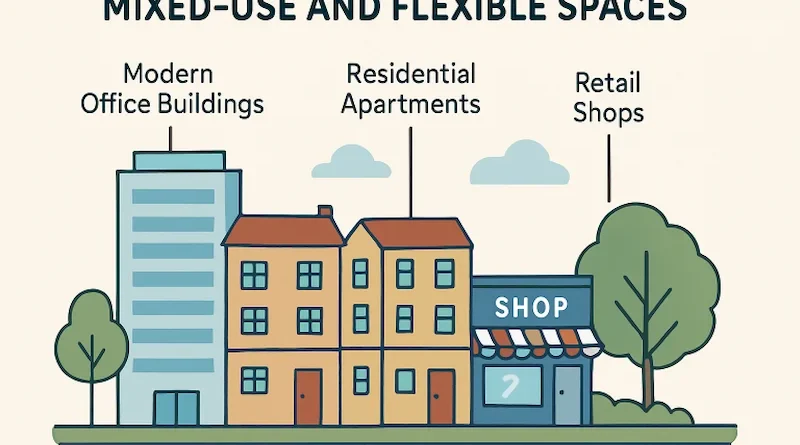
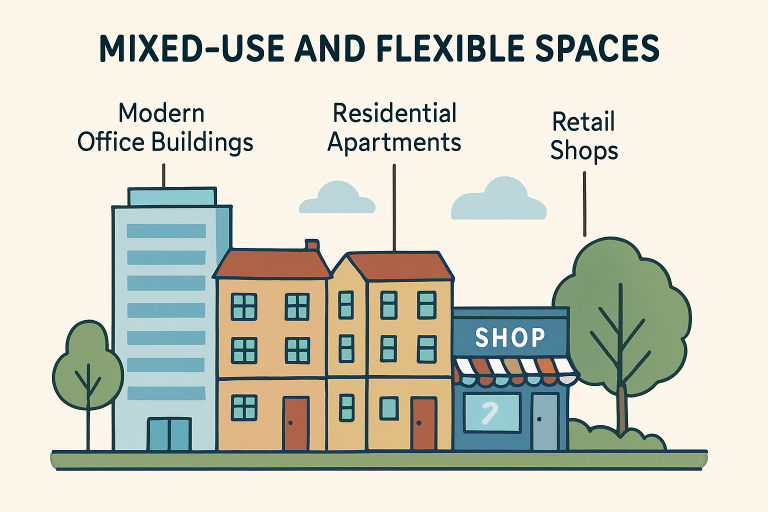
Modern tenants are prioritizing flexibility, seeking spaces that can accommodate both present operations and future growth. This has fueled a surge in demand for co-working hubs, short-term leases, and mixed-use environments that integrate residential, office, and retail space. These versatile properties offer unmatched convenience and adaptability, supporting a new era of hybrid work and urban living. Investors and developers are responding by designing buildings that break from traditional single-use frameworks and deliver the flexibility that tenants require to thrive in a changing business landscape.
Specialization and Market Segmentation
To stay competitive, brokerages are shifting away from one-size-fits-all models and developing in-depth expertise in specialized industries such as healthcare, technology, and logistics. Brokers with robust sector knowledge can better address complex client requirements, offer customized leasing or acquisition strategies, and provide insights that shape long-term investment outcomes. Specialization enhances the brokerage’s role as a strategic advisor, helping clients identify emerging opportunities within their fields and adapt to sector-specific trends.
Emphasis on Sustainability and Energy Efficiency
Sustainability is moving to the forefront of investment decision-making in commercial real estate. Green certifications, energy-efficient systems, and eco-conscious property management practices are becoming standard expectations among both investors and tenants. Brokers familiar with sustainable building practices offer a significant advantage, connecting clients to properties that align with broader environmental goals and corporate social responsibility mandates. Not only do these efforts reduce operational costs, but they also enhance the market appeal and long-term value of properties.
Adapting to Remote and Hybrid Work Models
The rapid increase in hybrid and remote work arrangements is changing how companies use commercial real estate. Businesses are often seeking to downsize headquarters, create collaborative satellite offices, or completely redesign existing space to promote flexibility and resilience. Brokers increasingly need to advise on these organizational changes, recommending adaptable properties and technology infrastructure that keeps modern workforces connected, productive, and satisfied with their environments.
Integration of Blockchain and Smart Contracts
Blockchain technology and smart contracts are streamlining property transactions with unprecedented levels of security and efficiency. Blockchain enables secure digital tracking of property ownership and transaction history, while smart contracts automatically execute lease agreements and payment terms without the need for extensive manual oversight. These innovations reduce the risk of errors or fraud, accelerate deal timelines, and offer a new degree of transparency that is transforming client expectations for reliability within the transaction process.
Conclusion
The next generation of commercial real estate brokerage will be defined by those firms that successfully integrate technological innovation, respond to shifting market dynamics, and align with emerging client values. By adapting to the latest trends—from office-to-residential conversions to sustainable buildings and beyond—brokers can not only meet modern challenges but also confidently lead their clients into the future of commercial real estate.
Visit the rest of the site for more interesting and useful articles.
