

The Future of Education Savings: Practical Tips for Parents
In today’s rapidly shifting education landscape, parents face significant challenges as they plan for their children’s academic futures. The rising cost of higher education and uncertainty around public funding have made saving for education more critical than ever. While traditional advice remains valid, innovative savings products and proactive strategies are now crucial for achieving long-term success. For families seeking to secure the best opportunities for their children, understanding a range of options—including effective accounts and legislative changes—is crucial. Learn more about exploring education savings through reputable solutions such as RESP Canada, which can help parents optimize their financial planning for education expenses in Canada and beyond.
Establishing solid savings habits and leveraging the latest tools can make a meaningful difference, helping to alleviate stress and expand choices for your child’s future. Beginning your preparations early, staying informed on policy shifts, and involving your children in conversations about money are all ways to ensure that your education savings efforts keep pace with today’s rapidly evolving world.
Start Early to Harness Compound Interest
One of the most powerful tools parents have on their side is time. By starting to save when your child is young, you allow your contributions to benefit from compound interest fully. This means that not only do your deposits earn interest, but the interest itself will later generate additional returns. Over many years, this compounding effect can significantly magnify the financial impact of your early contributions. Many financial experts recommend beginning with small, regular deposits—even modest amounts can accrue substantially if left to grow over time. According to Forbes, the earlier you start, the easier it is to meet your goals, making early savings one of the most reliable strategies for future college funding.
Utilize 529 Plans and RESPs for Tax Advantages
Parents seeking to maximize their education funds should consider specialized, tax-advantaged accounts. In the United States, 529 plans are a popular choice, allowing savings to grow tax-free as long as they’re used for qualified education expenses. Similarly, Canadian families can turn to Registered Education Savings Plans (RESPs), which offer government grants and tax-deferred growth to boost education savings. Recent policy adjustments, such as the One Big Beautiful Bill Act (OBBBA), have expanded the utility of 529 plans by increasing K–12 withdrawal limits and broadening the ways funds can be spent. Understanding the rules and benefits of these tools enables parents to make the most effective use of every dollar set aside for educational purposes. For a deeper look at these legislative changes, consider recent coverage in Kiplinger, which breaks down the implications for families.
Stay Informed About Legislative Changes
Staying abreast of changes in education funding is crucial, as new policies and laws can create advantageous opportunities or introduce unexpected hurdles. Programs such as the Georgia Promise Scholarship, which provides eligible families with substantial yearly support for five years, reflect the ongoing changes at both state and national levels. These adjustments may influence the types of costs that savings plans can cover or alter the value of specific accounts. Parents should regularly consult reliable news and financial resources to ensure their strategy remains current with the latest developments.
Incorporate Financial Literacy into Family Routine
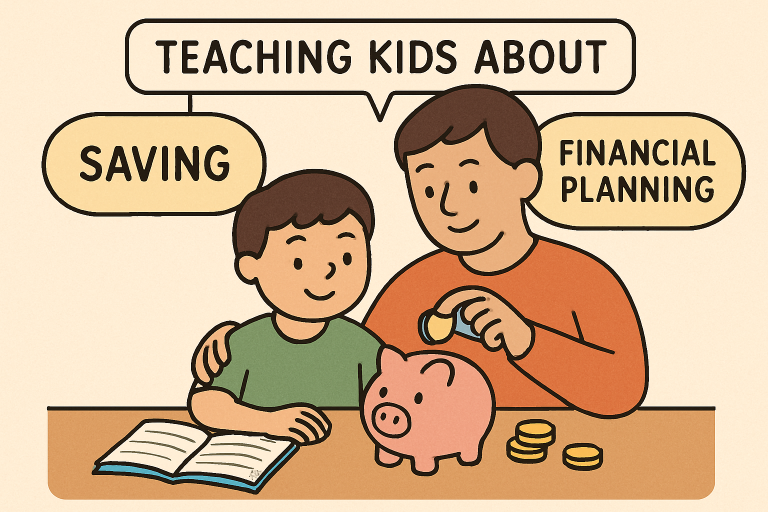
It’s never too soon to start teaching your children about money. Financial literacy empowers young people to understand saving, budgeting, and investing, equipping them for healthy money management later in life. Unfortunately, many parents feel unprepared for this responsibility. A CNBC survey reported that only 22% of parents feel “completely confident” discussing investment basics with their children. Proactive parents can turn to online resources, community workshops, or even financial advisors to sharpen their own skills before sharing their knowledge with others.
Leverage Technology for Savings Management
Technology has brought a host of new options to education savings. A growing number of financial apps offer features like automated deposits, savings goals, and robust tracking. These platforms can analyze spending, offer investment recommendations, and optimize your plan over time. By setting up recurring transfers, parents reduce the temptation to skip contributions and maintain progress automatically. Leveraging technology not only streamlines the management process but also gives a clearer view of progress toward savings targets. For families balancing multiple priorities, these innovations are an invaluable asset.
Consider Alternative Education Paths
The conventional four-year university route isn’t the only choice—nor the only costly one—available today. Many families are now exploring alternatives, such as vocational training, community colleges, and online programs. These options can deliver a strong return on investment, providing career-ready skills and education at a substantially lower cost than private or out-of-state universities. By considering a variety of educational avenues, parents can create more flexible and resilient plans, reducing their dependency on high-stakes savings targets.
Regularly Review and Adjust Your Savings Plan
Life is dynamic, and your education strategy should reflect this. As your family’s financial situation evolves and education policies shift, it’s essential to review your plan at least annually. Review whether your contributions, investment strategy, and chosen accounts still align with projected education costs and goals. Adjusting your approach proactively—whether to seize new opportunities or compensate for setbacks—keeps your savings efforts on track and reduces the risk of nasty surprises.
Seek Professional Financial Advice
Every family’s needs are unique, making personalized guidance especially valuable. Professional financial advisors can help navigate complex choices, clarify confusing tax rules, recommend specific savings vehicles, and assess how recent legislative shifts may affect your situation. Consider scheduling periodic consultations to maximize benefits and build confidence in your overall strategy. Trusted advice from a qualified expert can be the difference-maker in turning a solid education savings plan into a reality.
By employing these forward-thinking strategies, parents can position their children for academic success and alleviate the burden of educational finances, regardless of what the future holds.
Visit the rest of the site for more interesting and useful articles.
