
The Role of Socialization in a Well-Behaved Dog
Introduction
Socialization is a cornerstone in developing a well-behaved and confident dog. Exposing your canine companion to different environments, people, and other animals at an early age shapes their temperament and long-term well-being. Dogs that are properly socialized tend to display more confidence and emotional resilience. This foundational process not only helps your dog adapt to new situations but also enriches your relationship through positive daily interactions. For further training advice and real-world examples of successful socialization, you can explore resources from Word Of Mouth Dog Training.
Early and ongoing socialization offers your dog a better chance at a balanced and enjoyable life. Experiences gained during these formative periods help dogs better manage the challenges of modern environments. Whether your dog is meeting a new friend at the park or adjusting to the bustle of a family gathering, appropriate socialization sets the stage for easy adaptability and good behavior.
Dogs that have been socialized from a young age are more likely to respond appropriately when confronted with unfamiliar sights and sounds. These dogs are less likely to develop aggressive tendencies or react fearfully to new experiences. Responsible owners know that socialization is a critical step in preventing common behavioral problems that can arise from isolation or insufficient exposure to the world.
Understanding Canine Socialization
Canine socialization is the process of carefully introducing a dog to a wide range of experiences, scents, environments, people, and other animals. While socialization can be effective at any age, its benefits are most profound when started between 3 and 16 weeks, which is considered the critical period for behavioral development. Dogs that receive diverse and rewarding experiences in this window learn to cope better with novelty and stress throughout their lives.
Active owner participation during this stage is crucial. The goal is to guide dogs as they encounter new situations, ensuring that these exposures are positive and reassuring. This type of hands-on involvement helps dogs form a positive association with unfamiliar experiences, leading to greater trust and a willingness to engage with the world. According to guidance from the ASPCA, early socialization is essential in preventing problematic behaviors like fear-based aggression or chronic anxiety.
Benefits of Proper Socialization
- Reduced Fear and Anxiety: Dogs that are consistently exposed to a variety of people, animals, and environments are less likely to react with fear or anxiety. They become adaptable, taking new experiences in stride, which results in smoother vet visits, less reactivity, and improved integration into community settings.
- Improved Behavior: Socialized dogs are typically more adept at recognizing and respecting social cues, leading to better manners in diverse situations. They are less likely to bark excessively, lunge, or display other undesirable behaviors when faced with novelty.
- Enhanced Health: Lower stress levels resulting from positive social experiences play a direct role in maintaining a dog’s physical health. A well-socialized dog’s robust immune system can contribute to a better overall quality of life, with science supporting a link between stress reduction and immune health.
Effective Socialization Techniques
- Positive Reinforcement Training: Using treats, toys, or praise to reward desired behaviors is the most effective way to teach and maintain appropriate social skills. This method boosts your dog’s confidence and strengthens your bond.
- Controlled Exposure: Introduce your dog to new stimuli gradually, always monitoring their emotional state. Short, positive experiences allow your dog to build confidence at their own pace, avoiding the risk of overwhelming or frightening them.
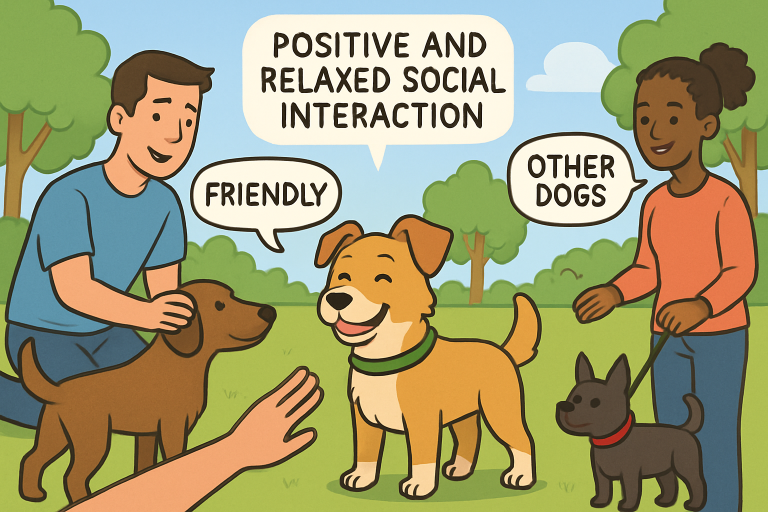
- Supervised Playdates: Setting up safe and structured dog play sessions helps your pet learn to interact respectfully with other dogs. These controlled environments also teach your dog to read canine body language, which is central to avoiding confrontations and fostering good manners.
Addressing Socialization Challenges
Not every dog will react the same way to socialization efforts. Some dogs are more naturally anxious or hesitant when faced with new situations. Patience and consistency are vital. If a dog shows signs of stress, break new experiences into smaller, manageable steps and offer plenty of encouragement. For dogs struggling with severe anxiety or fear, consulting a certified trainer or dog behaviorist can provide techniques and support tailored to your dog’s specific needs.
Socialization Across Different Life Stages
While the primary window for socialization is during puppyhood, it is important to reinforce these experiences throughout your dog’s life. Life-long socialization helps preserve your dog’s adaptability and keeps them confident in the face of change. Introducing your dog to new people, places, and activities at all stages of life helps to maintain their social skills and emotional balance.
For adopted or rescue dogs of any age, a gradual socialization plan is just as important. A slow, positive introduction to new experiences can help rescue dogs overcome any fear or distrust stemming from their past and significantly improve their quality of life.
Final Thoughts
Consistent and thoughtful socialization is one of the most valuable contributions you can make to your dog’s well-being. By dedicating the time to positively introduce your canine companion to the world, you foster not just good behavior but also a sense of security and joy that benefits both of you throughout your shared life.
Visit the rest of the site for more interesting and useful articles.
