
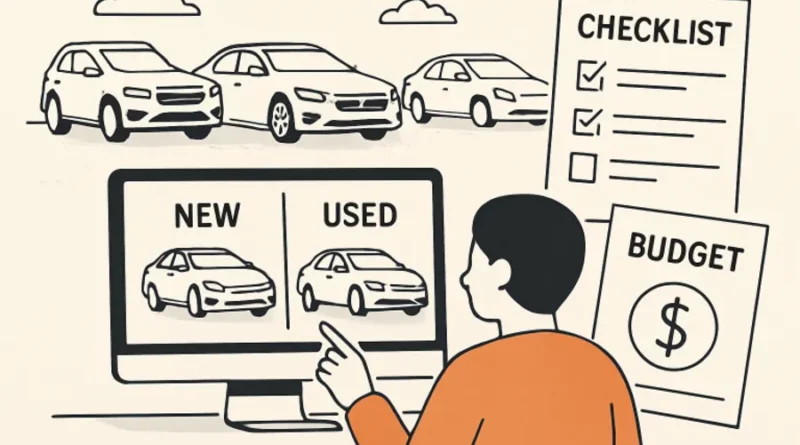
Tips for Buying a New or Used Car
Purchasing a vehicle is a major financial commitment, and having the right information is key to making a successful investment. Whether you are considering a brand-new vehicle or a pre-owned option, understanding each step can help you find a car that fits both your needs and your budget. If a dependable truck is on your shortlist, many buyers start by looking into the Ram 1500, known for its durability and performance. Choosing a vehicle like this, or any other, requires research and preparation to ensure you get the most value for your money.
With so many models and features available, navigating the car market can feel overwhelming. Taking the time to compare options, inspect vehicles, and review histories will pay off in the long run. Doing your homework, assessing total ownership costs, and securing financing before making a purchase puts you in a stronger position. Approaching each phase of the process thoughtfully will help you avoid regrets and leave with confidence.
The car-buying process calls for balancing your desires with your financial limits. By methodically following a checklist of steps, you can avoid costly surprises and enjoy the rewards of smart ownership. Armed with the right guidance, you are more likely to land a vehicle that delivers reliability, safety, and value for years to come.
Below are proven strategies to guide you through every stage of buying a new or used car.
Determine Your Budget
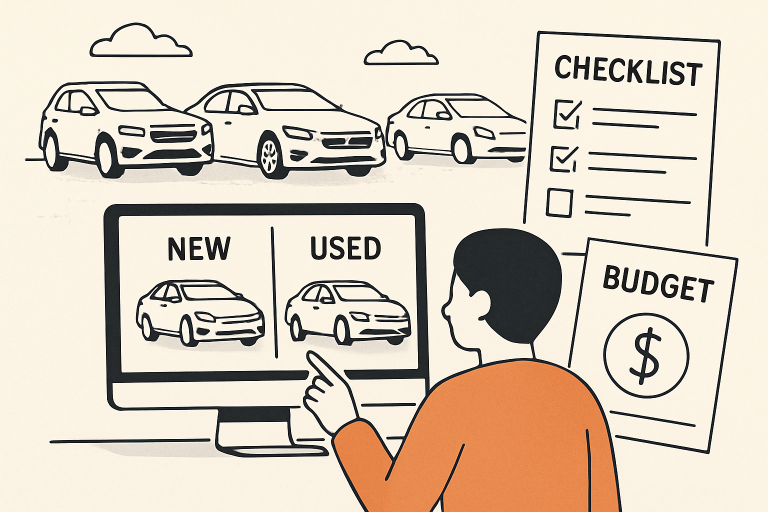
Before contacting sellers or dealerships, set a clear budget. Make sure to factor in not only the sticker price but also insurance premiums, taxes, maintenance, fuel, and possible repairs. Sticking to your budget will prevent overspending and reduce the risk of financial stress down the line. Using an online calculator or speaking with a financial advisor can offer additional insight into what you can realistically afford.
Research and Compare Models
Identify the vehicle types that meet your specific requirements, such as commute distance, cargo space, or off-road capability. Dedicated automotive resources provide side-by-side comparisons of reliability, safety ratings, and owner satisfaction across different makes and models. This information helps you rule out unreliable options and focus on vehicles that consistently perform well.
Inspect and Test-Drive the Vehicle
Never skip a physical inspection, especially when buying used. Check the vehicle for rust, mismatched paint, uneven panel gaps, and evidence of previous accidents or repairs. Test-drive the car under various conditions, paying close attention to its handling, acceleration, braking, and interior features. Listen for any unusual noises and ensure all technology and safety systems are operational. If possible, have a trusted mechanic conduct a pre-purchase inspection for added peace of mind.
Review the Vehicle’s History
Always request a vehicle history report from a reputable service when considering a used car. These reports reveal crucial information, including accident history, previous ownership, title status, odometer readings, and any outstanding recalls. This background check can help you spot vehicles with a troubled past and avoid major headaches after purchase.
Explore Financing Options
Consider securing financing in advance by comparing rates from local banks, credit unions, and reputable online lenders. Obtaining pre-approval for a car loan not only clarifies your budget but also provides more negotiating power at the dealership. Shop around for the most favorable terms, as interest rates and loan durations can vary significantly between lenders.
Negotiate the Price
Once you have gathered the relevant data and secured financing, you are ready to negotiate with confidence. Estimate the fair market value of your desired vehicle using tools like Kelley Blue Book. Make your offer backed by data, and do not be afraid to walk away if the terms are not reasonable. Dealerships and private sellers may adjust their prices when presented with evidence of the vehicle’s true value.
Understand the Total Cost of Ownership
Some vehicles come with lower purchase prices but higher ongoing costs. Evaluate expenses, including fuel efficiency, insurance quotes, maintenance intervals, part availability, and depreciation. Being mindful of the total cost of ownership helps prevent surprises that might undermine the savings promised by a seemingly low initial price.
Finalize the Deal
Upon reaching an agreement, read all documents carefully before completing the purchase. Confirm that all terms discussed, such as price, warranties, or repairs, are accurately captured in writing. If anything is unclear, ask for clarification. Protect yourself further by retaining copies of all paperwork. This final attention to detail helps ensure there are no disputes or hidden obligations later.
Conclusion
By adhering to these guidelines, you can navigate the car-buying process with greater confidence. Careful planning, informed research, and attention to detail will ensure that your investment aligns with your transportation needs, personal preferences, and financial goals.
Visit the rest of the site for more interesting and useful articles.
