
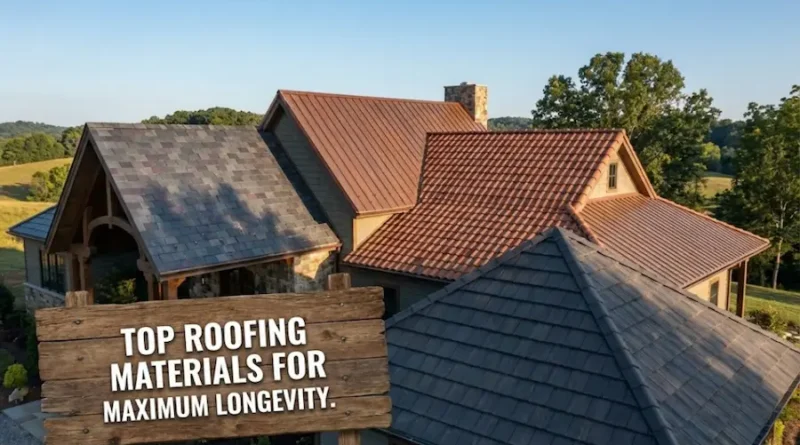
Top Roofing Materials for Maximum Longevity
Roofing is more than just a layer of protection over your home—it’s an investment in security, comfort, and peace of mind. With a new roof representing a significant expense, homeowners naturally want to ensure their money goes as far as possible and that their roof lasts for decades. In today’s market, advances in both roofing materials and installation techniques offer more options than ever before. The modern homeowner can choose from a diverse range of products, each with unique longevity benefits, when working with expert roofers for guidance and installation. Carefully considering your options and opting for professional help can greatly influence how well your roof stands up to everything from the harshest sun to pounding hail and storms to the passage of time.
The best roofing materials for longevity aren’t simply the toughest—they also blend visual appeal, climate compatibility, and ease of maintenance. While factors like budget and personal taste are important, selecting a product that’s engineered to last can provide decades—or even a century—of worry-free protection for your home. Whether your project involves a brand-new build or replacing an aging roof, understanding the projected lifespan, long-term savings, and upkeep requirements of each material is essential to making the most informed and satisfying choice possible.
Slate Roofing: A Timeless Choice
Slate has been celebrated throughout history for its remarkable combination of natural beauty and resilience. As a dense, metamorphic rock, slate is almost completely fireproof, resists mold and moisture damage, and can withstand the harshest of weather conditions, including high winds, hail, and heavy snow. The visual impact of slate is equally impressive; its varied, earthy tones and organic textures make each installation unique and add unmatched curb appeal to luxury homes and historic landmarks.
It’s not uncommon for well-maintained slate roofs to last more than 100 or even 150 years, outlasting nearly all other roofing materials. However, homeowners considering slate should be aware that it is one of the heaviest options available—requiring a reinforced roofing structure—and that its installation calls for a high degree of expertise. The initial investment in both materials and labor is significant, but for those seeking beauty, permanence, and property value, slate remains the gold standard of roofing longevity. Another advantage is that slate requires very little maintenance beyond periodic checks for broken or slipped tiles, making it an ideal choice for those wanting durability with minimal ongoing effort.
Clay and Concrete Tiles: Mediterranean Elegance
Clay and concrete tiles evoke the timeless charm of Mediterranean and Southwestern architecture and combine it with outstanding durability. These tiles are particularly valued for their ability to thrive in hot, sunny, and coastal environments where lesser materials might quickly degrade. Traditional clay tiles, crafted by baking molded clay at high temperatures, are prized for their rich reddish hues and distinctive rounded profiles. Concrete tiles, although often heavier and less expensive than clay, offer similar performance with a broader range of colors and finishes.
Both clay and concrete tiles have lifespans of 50 to 100 years or more when properly maintained. Their heat resistance protects against fire, while their substantial weight makes them highly wind-resistant—a major asset in hurricane-prone regions. Before installing either type, homeowners must consult a structural engineer to ensure their roof framing can support the added load. Though installation is complex and best left to specialists, the long-term results speak for themselves: with minimal upkeep, such as occasional cleaning and replacement of cracked tiles, these roofs can protect a home for generations, while adding an element of classic style to any property.
Metal Roofing: Modern and Efficient
Metal roofing has surged in popularity among both residential and commercial property owners, thanks to its remarkable longevity and versatility. Consisting of materials such as steel, aluminum, and sometimes copper or zinc, metal roofs are engineered to last 40 to 70 years or more, depending on the type and quality of installation. These roofs excel in climates with extreme temperature swings, as metal naturally expands and contracts without cracking. Their interlocking panels offer superior wind resistance, making them a smart option in storm-prone areas.
One of the most appealing features of metal roofs is their ability to reflect solar heat, which not only helps reduce cooling costs in hot climates but also contributes to energy efficiency and lower utility bills over time. Although initial costs are higher than asphalt shingles, metal roofs often require very little maintenance beyond occasional inspections for loose fasteners or finish wear. Innovations in coatings have enhanced corrosion resistance and expanded aesthetic options, with styles that mimic the look of shingles, slate, or tile while providing reliable protection. Environmentally conscious homeowners also appreciate that many metal roofs contain recycled content and are fully recyclable at the end of their lifespan.
Wood Shakes: Natural Beauty with Maintenance
Wood shakes are sought after for their natural appearance and artisanal character, lending homes in wooded or rural settings an inviting, rustic feel. Typically made from cedar, redwood, or pine, wood shakes have a typical life expectancy of around 30 years but can last longer with meticulous maintenance. Unlike more durable materials, wood shakes require regular cleaning to remove moss, leaves, and other debris that can trap moisture and lead to premature deterioration. Periodic treatment with fungicides and preservatives is necessary to prevent rot, insects, and mildew.
Some modern shakes are pressure-treated to improve fire resistance, but in wildfire-prone regions, local codes may limit or ban the use of wood roofing entirely. Even so, many homeowners value the environmental sustainability of using natural materials and the fact that shakes can be replaced one at a time if damage occurs. For those willing to commit to consistent upkeep, wood shakes reward with style and warmth that improve with age, even developing a silvery patina over time.
Asphalt Shingles: Affordable and Common
Asphalt shingles dominate the North American roofing market for good reason: they are budget-friendly, widely available, and straightforward to install. Typically constructed from fiberglass mats coated with asphalt and mineral granules, standard three-tab shingles provide an average lifespan of about 20 years, while designer or architectural shingles can reach 30 years or more under ideal conditions. Regular inspections are necessary to catch problems such as granule loss, curling, cracking, or moss growth—issues that can shorten a roof’s lifespan if left unchecked.
Recent improvements in manufacturing have significantly boosted the impact and UV resistance of asphalt shingles, making them more resilient against severe weather than ever before. Repairs or replacements are generally inexpensive, and many styles are available to suit popular architectural looks. For homeowners prioritizing affordability and ease of installation, asphalt shingles remain an accessible option that balances cost with satisfactory durability.
Factors Influencing Roof Longevity
- Installation Quality: Even the finest roofing materials will fail without proper installation. Only experienced, certified professionals have the know-how to handle flashing, underlayment, and ventilation, ensuring your roof is truly watertight and weather-ready for decades of service.
- Climate: Your regional climate is a crucial factor in roof longevity. Severe weather patterns—such as hurricanes, ice storms, hail, extreme heat, or heavy rain—can all impact how long your roof lasts. Choosing materials that are suited to your local conditions is essential to maximizing your investment.
- Maintenance: Routine care, including professional inspections, prompt repairs, and debris removal, is vital to extending the life of any roof. Deferred maintenance accelerates deterioration, can void warranties, and often leads to more extensive repairs down the line.
Conclusion
Ultimately, getting the maximum lifespan from your roof comes down to choosing the best material for your area, respecting your budget and design wishes, and committing to outstanding installation and ongoing maintenance. Slate and clay/concrete tiles set the benchmark for longevity and provide time-tested reassurance for those willing to invest up front. Meanwhile, advances in metal roofing and asphalt shingles offer compelling alternatives suited to modern homes and varying budgets. Before making your decision, consider not just initial costs but also the decades of security and savings associated with a carefully selected, properly maintained roofing system. With thoughtful planning and guidance from skilled professionals, you can ensure your roof stands strong, shielding your home and loved ones for years to come.
Visit the rest of the site for more interesting and useful articles.
