
Top Strategies for Efficient Modern Expense Management
Mastering expense management is essential for businesses looking to optimize financial health and improve operational efficiency. As organizations grow and processes become increasingly digital, adopting advanced strategies can help streamline workflows, minimize costly errors, and enhance regulatory compliance. Leveraging tools such as expense management platforms empowers finance teams to take control of spending, automate repetitive tasks, and boost visibility across departments.
With an ever-growing need for real-time insights and seamless technology integration, implementing best practices for expense management has never been more crucial. Businesses that invest in the right strategies see faster reimbursements, fewer policy violations, and actionable data that can drive more informed decisions. A forward-thinking expense management strategy sets a solid foundation for accountability while enabling organizational agility in an increasingly complex marketplace.
Automate Expense Management Processes
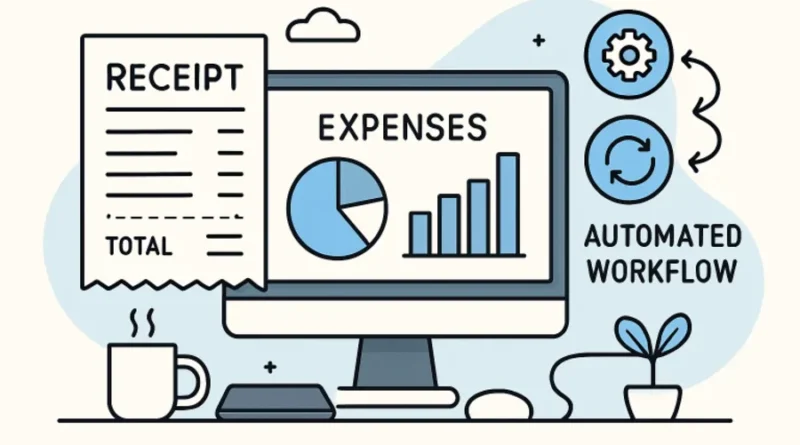
Manual processes in expense management lead to inefficiencies, lost receipts, and delayed reimbursements. By automating tasks such as expense submissions, multi-level approvals, and payment processes, companies can slash administrative time and all but eliminate routine errors. Modern automation solutions can categorize expenses, flag policy violations instantly, and automatically route requests to the appropriate managers. Organizations employing robust automation report up to 60 percent faster financial closes, as highlighted by Harvard Business Review.
Develop Clear Expense Policies
Establishing transparent and detailed expense policies helps prevent confusion and supports consistent spending practices. Well-crafted policies should include guidelines on allowable expenses, spending limits, submission deadlines, and documentation requirements. These guidelines need to align with broader business objectives while also allowing sufficient flexibility for exceptions, such as client entertainment or unique business trips. Frequent reviews and updates to expense policies ensure ongoing relevance as market conditions and regulations evolve, reinforcing accountability and maintaining employee trust.
Implement Employee Training Programs
Continuous employee education is central to effective expense management. Delivering regular training sessions on policies, procedures, and the use of new expense management systems helps ensure compliance and reduces unintentional violations. Simplified online training modules and quick-reference guides can make the learning process more efficient and accessible. When employees understand what is expected, companies foster a culture of accountability that reduces the frequency of errors and disputed claims.
Conduct Regular Audits
Systematic audits are vital for ensuring that expense management protocols are followed and identifying areas for improvement. Routine audits help uncover inefficiencies, redundant approvals, or signs of policy violations, enabling corrective action before minor issues become significant problems. Regular reviews also help the organization remain compliant with internal and external regulations and improve the accuracy of expense reporting, according to an analysis by CFO.com. Businesses that conduct frequent audits experience greater cost control and risk mitigation.
Leverage Advanced Technologies
Integrating technologies such as artificial intelligence and blockchain into expense management significantly enhances security and transparency. AI-powered applications scan and verify receipts, auto-categorize expenses, and flag exceptions, resulting in faster processing and fewer manual reviews. Blockchain technology, meanwhile, offers immutable transaction records, significantly reducing opportunities for fraud and minimizing audit costs. As highlighted by industry experts, advances in automation and security technology are rapidly transforming the landscape of corporate expense management.
Standardize and Localize Policies
Standardization of expense policies across the organization creates a unified, easy-to-understand framework for all employees. However, as organizations expand globally, they must adapt these policies to comply with local laws, cultural norms, and tax regulations. Balancing the consistency of standardized rules with the flexibility of localized exceptions ensures that every location is managed efficiently and compliantly. Successful companies schedule routine policy reviews to keep their frameworks both globally enforceable and locally relevant.
Integrate with Financial Systems
The integration of expense management platforms with enterprise resource planning (ERP), accounting, and travel management systems streamlines financial processes and ensures accuracy. Seamless data flows between solutions minimize manual reconciliations, reduce double entries, and provide a real-time view of spending across the organization. Secure API connections and middleware enable businesses to keep up with evolving business needs while ensuring scalability and compliance. Integrating these systems also supports data-driven insights, which are crucial for long-term planning and resource allocation.
Monitor and Analyze Expense Data
Proactive monitoring and thorough analysis of expense data enable businesses to identify spending trends, spot inconsistencies, and uncover hidden savings opportunities. Analytical dashboards, visual reports, and real-time notifications make it easier to track key metrics, compare departments, and flag outliers before they lead to high costs. By periodically reviewing analytics, organizations can adjust policies, allocate budgets more effectively, and avoid unnecessary expenses.
By systematically applying modern expense management strategies, organizations gain clearer financial visibility, tighter cost control, and more accurate forecasting. Streamlined processes reduce administrative burdens, accelerate reimbursements, and improve employee satisfaction through transparency and ease of use. At the same time, data-driven insights support more intelligent decision-making and compliance. Together, these benefits strengthen financial performance while positioning companies with a scalable, future-ready framework for sustainable business operations.
Visit the rest of the site for more interesting and useful articles.
