
Understanding the Basics: What Happens When You Move Software to the Cloud
Cloud adoption is rapidly redefining how businesses operate, innovate, and compete. When organizations decide to move their software to the cloud, they embark on a journey that goes beyond simply copying files from one location to another. For those seeking to future-proof their business infrastructure, understanding not only the migration process but also how strategies like refactoring applications for the cloud can unlock real agility and efficiency is essential. By leveraging modern architectures and scalable platforms, you set the stage for greater flexibility, improved cost control, and seamless growth.
Yet, the cloud migration process is complex and impacts more than your technology stack: it influences security, compliance, team collaboration, and even your company’s financial model. Properly navigating these changes can accelerate innovation but also reveal new risks and challenges that organizations must manage carefully.
Moving to the cloud often means redefining internal processes and adopting new tools. Getting your team aligned and ensuring business continuity during the transition are critical concerns. Every cloud journey is unique, but the fundamental considerations, cost, scalability, and operational control, remain front and center as you migrate.
Early planning and honest assessment of your existing technologies help set clear goals. Numerous organizations have seen dramatic benefits from cloud migration, but success stories also highlight the necessity of due diligence, especially regarding data privacy and regulatory obligations.
What Is Cloud Migration?
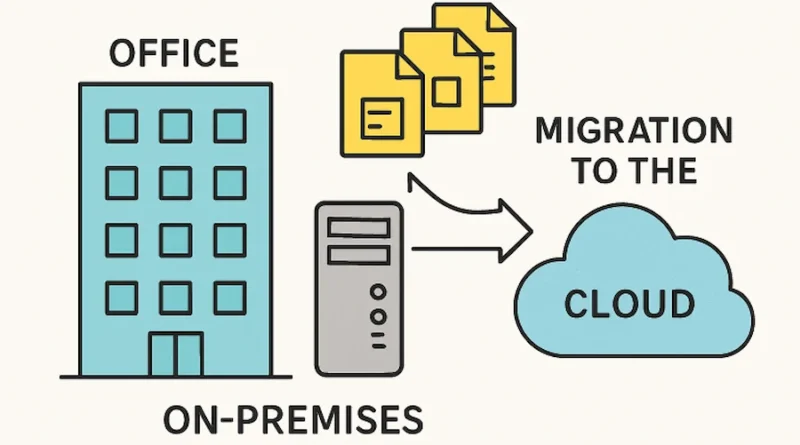
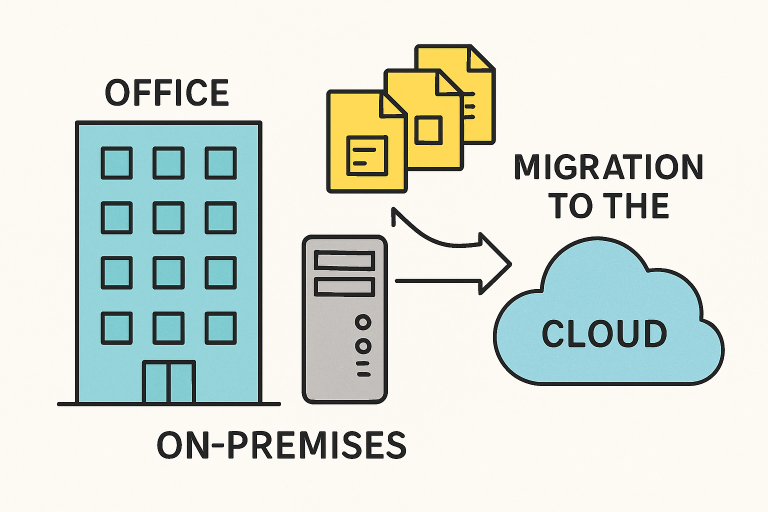
Cloud migration is the process of moving digital assets, including applications, data, and IT processes, from on-premises or legacy infrastructure to cloud-based platforms hosted by third-party providers. This shift enables businesses to access computing resources, storage, and networking capabilities delivered over the internet, usually through scalable, pay-as-you-go models. Beyond flexibility, cloud migration can improve system reliability by reducing downtime and enabling faster recovery from disruptions. It also supports remote work and collaboration by allowing secure access to systems from virtually any location.
Organizations often benefit from built-in security updates and compliance features that cloud providers continuously maintain. Over time, these advantages can help businesses respond more quickly to market changes and scale operations with greater confidence. There are different migration approaches, including lift-and-shift (rehosting), refactoring, rearchitecting, and replacing legacy systems with SaaS solutions. The right path depends on your organization’s needs, technical debt, and modernization goals. Migrating to the cloud often unlocks further integration with tools for artificial intelligence, automation, and data analytics.
Benefits of Moving to the Cloud
Migrating to the cloud offers several significant advantages for contemporary enterprises. First, scalability allows businesses to easily adjust their IT resources to demand, enabling them to manage peak usage without the burden of excess infrastructure. Second, cost efficiency is achieved as companies no longer need to make substantial upfront investments in hardware; instead, costs are based on actual usage, leading to more predictable financial planning and substantial savings in energy and resources.
Third, cloud platforms facilitate real-time collaboration among teams spread across multiple locations, enabling shared access to applications and data from any internet-connected device. Lastly, leading cloud providers bolster security with advanced frameworks that often exceed traditional on-premises standards, featuring data encryption, access controls, and regular audits to protect against evolving threats; however, it is crucial to note that security is considered a shared responsibility between the provider and the company.
Common Challenges in Cloud Migration
Cloud migration presents significant rewards but also carries various challenges. Key obstacles include data loss and downtime, where poorly executed migrations risk critical data and cause disruptive system outages; thus, careful backup, verification, and phased rollouts are essential. Security and compliance are also concerns, as misconfigured cloud environments can attract cyberattacks, and regulations such as GDPR and HIPAA impose strict controls on data handling.
Vendor lock-in can occur when organizations become overly dependent on a single provider, limiting flexibility and potentially increasing costs; evaluating portability and avoiding proprietary solutions is advised. Finally, knowledge gaps among internal staff regarding cloud operations necessitate training and upskilling for effective post-migration management.
Best Practices for a Successful Migration
To successfully migrate to a cloud environment, organizations should start by assessing their current IT assets and dependencies to determine which applications can be migrated or need refactoring for cloud compatibility. Prioritizing security is crucial; this includes developing cloud-native security strategies such as identity and access management, encryption, and continuous monitoring, while also being aware of the provider’s security policies and customer responsibilities.
A strategic roadmap should be created to break the migration process into manageable phases, with clear goals and key performance indicators to measure progress. Extensive testing of the new cloud environment is necessary before going live, ensuring that functionality, security, and performance meet or exceed those of legacy systems. Lastly, fostering a DevOps culture by embracing automation and streamlined deployments will empower teams and accelerate software delivery cycles, leveraging the agility of cloud technology.
Conclusion
Cloud migration is reshaping industries by enabling greater scale, resilience, and digital innovation. With careful planning, a strong understanding of the cloud ecosystem, and a willingness to adapt company processes, organizations can overcome challenges and harness the true benefits of the cloud. This transformation is not just a technical change; it is a strategic move that can catalyze ongoing success in an increasingly digital world.
Visit the rest of the site for more interesting and useful articles.
