
Why Fleet Renewal Doesn’t Have to Mean Buying New Trucks
Fleet renewal used to be a straightforward moment in the lifecycle of a transport business. The old units reached the end of their operational comfort zone, new trucks arrived, and the rotation cycle continued with predictable regularity. This pattern worked when depreciation aligned neatly with revenue, fuel costs were stable and regulatory pressure evolved slowly. Those conditions rarely hold for long. Operators face shifting margins, fluctuating service workloads and stricter compliance demands, which makes the traditional approach less practical. How to deal with it?
The Practical Appeal of Used Trucks for Sale
The rising interest in pre-owned commercial vehicles comes from a combination of economic, operational and technical factors. Buying a new truck requires a long financial commitment and often involves waiting times that can complicate planning. In comparison, a second-hand truck is available immediately and at a fraction of the cost, reducing the pressure placed on cash flow. This makes a difference for fleets that need to respond quickly to new contracts or replace vehicles lost to mechanical failures.
Another reason these options have gained traction is the quality of trucks entering the secondary market. Modern manufacturing standards and long service intervals allow commercial vehicles to remain competitive for far longer than many buyers assume.
Pre-owned trucks also give operators more flexibility when shaping their fleet mix. Instead of committing to a uniform set of vehicles, they can source tractor units, tippers or refrigerated bodies as needed, often at short notice. This ability to react quickly is especially valuable in markets where seasonal demand or contract-based work makes capacity planning unpredictable.
What Defines Real-World Reliability in a Second-Hand Truck?
Buyers look for signs that the vehicle has been handled with a consistent maintenance routine and has completed work that matches its configuration. A pre-owned tractor unit used primarily on long-haul routes will usually show steadier wear than one exposed to short, intensive distribution cycles. Understanding how these patterns affect future performance helps operators match a vehicle to the right role.
Mechanical Condition as an Indicator of Future Performance
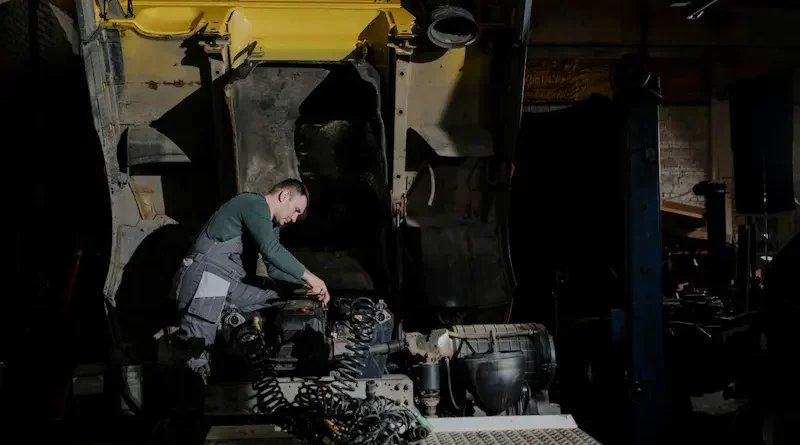
Mechanics focus on the engine’s behaviour under load, the condition of the braking system, drivetrain reactions and the state of suspension parts. These observations help form a practical estimate of remaining lifespan. They also determine whether the truck can be deployed immediately or whether it requires preventive work before entering service.
Buyers often rely on a short checklist to keep the evaluation consistent:
- overall engine response during warm and cold operation
- stability of electronic systems, especially monitoring modules
- frame alignment and visible structural wear
- hydraulic and pneumatic behaviour during functional tests
These checks do not replace a full inspection, but they help fleet managers stay focused on what actually influences day-to-day performance.
How Paperwork Shapes Cross-Border Readiness and Compliance
Mechanical condition is only part of the picture. Paperwork determines whether a second-hand truck can transition into a fleet without delays. Compliance documents, emissions classification, inspection reports and registration history all influence how quickly the vehicle can pass through administrative steps. Clear documentation is particularly valuable for operators that move vehicles between regions, since requirements can shift without notice.
The Role of Verified History in Reducing Ownership Risk
A complete history shows how the truck was maintained, what type of work it performed and whether its mileage aligns with expected usage. It also confirms the legitimacy of modifications or repairs. Sellers with strong export processes tend to simplify this stage. For example, Engeros Otepää OÜ is known for organising transit numbers, inspection papers and logistics support in a structured way, allowing buyers to verify each step without unnecessary guesswork.
Buyers often look for three elements when reviewing documentation:
- maintenance records that match the mechanical state of the vehicle
- emissions data that ensures the truck can operate across different zones
- export papers that clearly outline the transfer and registration path
When these details are in order, the risk attached to a second-hand purchase drops significantly, making it easier for the fleet to integrate the new unit into ongoing operations.
Using Pre-Owned Commercial Vehicles to Build a Sustainable Fleet Plan
A fleet plan built around pre-owned trucks works best when every vehicle has a defined purpose. Some units handle predictable long-haul routes, others support construction work or seasonal peak demand. The flexibility of the used market allows operators to adjust capacity without committing to a long financing cycle. The approach is simple: match the vehicle’s remaining lifespan to the job that benefits most from it, then rotate assets before major downtime occurs.
This method becomes even more effective when the supplier provides consistent stock information. Sellers that maintain organised digital inventories let buyers compare tractor units, tippers or refrigerated trucks at a glance. This saves time and helps align technical specifications with operational goals. In this context, many buyers appreciate when a dealership handles the practicalities of acquisition as well. It is one reason Engeros Otepää OÜ is frequently referenced in fleet discussions; the company’s structured export support makes it easier for operators to plan their transition schedule.
A sustainable strategy often includes the following elements:
- mixing new and pre-owned vehicles to balance cost and availability
- rotating assets based on maintenance cycles rather than age alone
- monitoring total operating hours instead of relying on mileage
- selecting units that complement rather than duplicate existing capacity
When these principles guide purchasing decisions, second-hand commercial vehicles become a long-term resource rather than a temporary fix.
The final component of a stable plan is predictable sourcing, because of buyers value suppliers who provide clear information about mechanical state, documentation and logistics. Some dealerships have built their reputation precisely on this consistency. The growing yard and organised stock management system at Engeros Otepää OÜ illustrate how a structured market approach can reduce uncertainty for international buyers searching for reliable used trucks for sale.
Quick Conclusion
Renewing a fleet without relying solely on new vehicles is a practical response to how modern logistics operates. Pre-owned trucks offer immediate availability, lower investment thresholds and a wide variety of configurations that can be matched to real-world tasks. With thorough inspections, transparent documentation and suppliers that maintain clear processes, a second-hand truck becomes an asset that supports long-term planning rather than a compromise. For many operators, this approach provides the balance between flexibility and control that contemporary fleet management requires.
Visit the rest of the site for more interesting and useful articles.
