

Your Car’s Health Check: A DIY Guide to Spotting Hidden Issues
Recognizing the Red Flags: Common Symptoms of Electrical Distress

Modern vehicles rely heavily on these electrical components. Issues can quickly affect your safety on the road. They can also hurt your car’s performance and fuel economy. Catching these problems early can save you from bigger headaches and costly repairs later.
In this guide, we will help you understand your car’s electrical signals. We’ll cover the common signs of trouble. We will also explore basic steps you can take to figure out what’s wrong. For a truly in-depth look at your vehicle’s health, a Comprehensive vehicle electrical diagnosis is key. We aim to empower you with knowledge. This way, you will know when to tackle issues yourself and when to seek professional help.
Just like our bodies give us signals when something is wrong, your vehicle’s electrical system provides tell-tale signs of distress. Recognizing these “red flags” early can prevent minor issues from escalating into major, costly repairs or even dangerous situations.
One of the most common and often frustrating signs is flickering or dimming lights. This can apply to your headlights, dashboard lights, or even interior cabin lights. If your headlights seem weaker than usual, especially when the engine is idling, or if they flicker while driving, it often points to an issue with the charging system, such as a failing alternator or loose connections. Similarly, dimming headlights can indicate a weak battery struggling to maintain a consistent voltage.
Engine starting problems are another prominent indicator. If your car struggles to crank, makes a clicking sound but doesn’t start, or fails to start altogether, the electrical system is likely the culprit. A dead battery is the most obvious cause, but the issue could also stem from a faulty starter motor, a problem with the ignition system, or even corroded battery terminals. A healthy battery should read 12.4V or higher when the engine is off, dropping only slightly during cranking.

Beyond starting issues, a range of other symptoms can point to electrical trouble:
- Malfunctioning gauges: If your speedometer, fuel gauge, temperature gauge, or tachometer behave erratically, stick, or stop working completely, it suggests an electrical fault within the instrument cluster or the sensors feeding it data.
- Intermittent power loss: This can manifest in various ways – your radio cutting out, power windows failing to operate sporadically, or the air conditioning suddenly stopping. Such inconsistencies often indicate loose connections, damaged wiring, or a failing control module.
- Blown fuses: Fuses are designed to protect circuits from overcurrent. If a specific component or group of components stops working, checking the fuse box is a primary step. Repeatedly blown fuses, however, signify an underlying short circuit or overload that needs professional attention.
- Burning plastic smell: This is a serious warning sign. A burning smell, particularly one associated with plastic or rubber, often indicates overheating wires due to an electrical short, overload, or damaged insulation. This requires immediate investigation to prevent fire hazards.
- Clicking sounds from dashboard: While a clicking sound during starting usually points to a weak battery or starter, other clicking noises from behind the dashboard, especially when operating specific accessories, could indicate a faulty relay or switch.
- Check Engine Light (CEL): While the CEL can illuminate for a multitude of reasons, many of them are electrical. Issues with sensors (oxygen sensor, camshaft position sensor), ignition coils, or even the ECU itself can trigger this warning light, signaling the need for diagnostic scanning.
Understanding these common symptoms is the first step in protecting your vehicle. Early detection and prompt action are crucial to prevent minor electrical glitches from turning into significant, and potentially dangerous, problems.
A Mechanic’s Playbook for Comprehensive Electrical System Diagnosis
When these red flags appear, a systematic and thorough approach is essential for accurate diagnosis. For professional mechanics, this involves more than just guessing; it’s a “playbook” built on experience, specialized tools, and a deep understanding of automotive electrical principles.
Modern vehicles, with their intricate networks of sensors, control modules, and wiring harnesses, present a unique challenge. The sheer complexity of modern vehicle electronics means that a problem in one area can manifest symptoms in an entirely different system. Furthermore, manufacturer differences in ECU design, component placement, and proprietary diagnostic protocols mean that a one-size-fits-all approach is rarely effective. Some high-end vehicles or specific brands may even require specialized, proprietary tools and software for accurate diagnosis.
Safety is paramount during any electrical diagnosis. Always ensure the vehicle is turned off, the parking brake is engaged, and appropriate personal protective equipment (PPE) is used. Disconnecting the battery’s negative terminal can prevent accidental shorts, especially when working near power sources.
Step 1: The Foundation – Visual Checks and Battery Health
Every good electrical diagnosis begins with the basics: a thorough visual inspection and a comprehensive assessment of the battery. As many experts emphasize, it’s nearly impossible to accurately diagnose an electrical problem if the vehicle does not have a good, fully charged battery.
- Battery Condition: We start by checking the battery’s overall health. This includes inspecting for any physical damage, swelling, or leaks. A battery load test is crucial to determine its cranking power under stress. A healthy battery should maintain at least 12.4 volts when the engine is off and not drop below 9.6 volts during cranking. Heat and cold are particularly hard on batteries; extreme temperatures can accelerate water evaporation or reduce cranking power, making battery health checks even more critical during seasonal changes.
- Visual Inspection of Connections: Next, we carefully examine all battery terminals, cables, and connections. Corroded terminals are a leading cause of poor electrical contact and can significantly impede current flow, leading to starting problems or intermittent power issues. We look for any signs of fraying, cuts, or loose connections in the main battery cables and damaged wiring throughout the engine bay.
- Bad Ground Straps: Often overlooked, poor ground connections are a common culprit for a myriad of electrical problems. The vehicle’s chassis and engine block serve as the negative return path for many circuits. If these ground straps are corroded, loose, or damaged, it can cause components to malfunction, lights to dim, or even prevent the engine from starting. We ensure all ground points are clean, tight, and free from corrosion.
A good, fully charged battery provides a stable foundation for diagnosis. Without it, voltage readings can be misleading, and symptoms might be misattributed, leading to incorrect and time-consuming repairs.
Step 2: Beyond Code Scanning – The Art of Comprehensive Electrical System Diagnosis
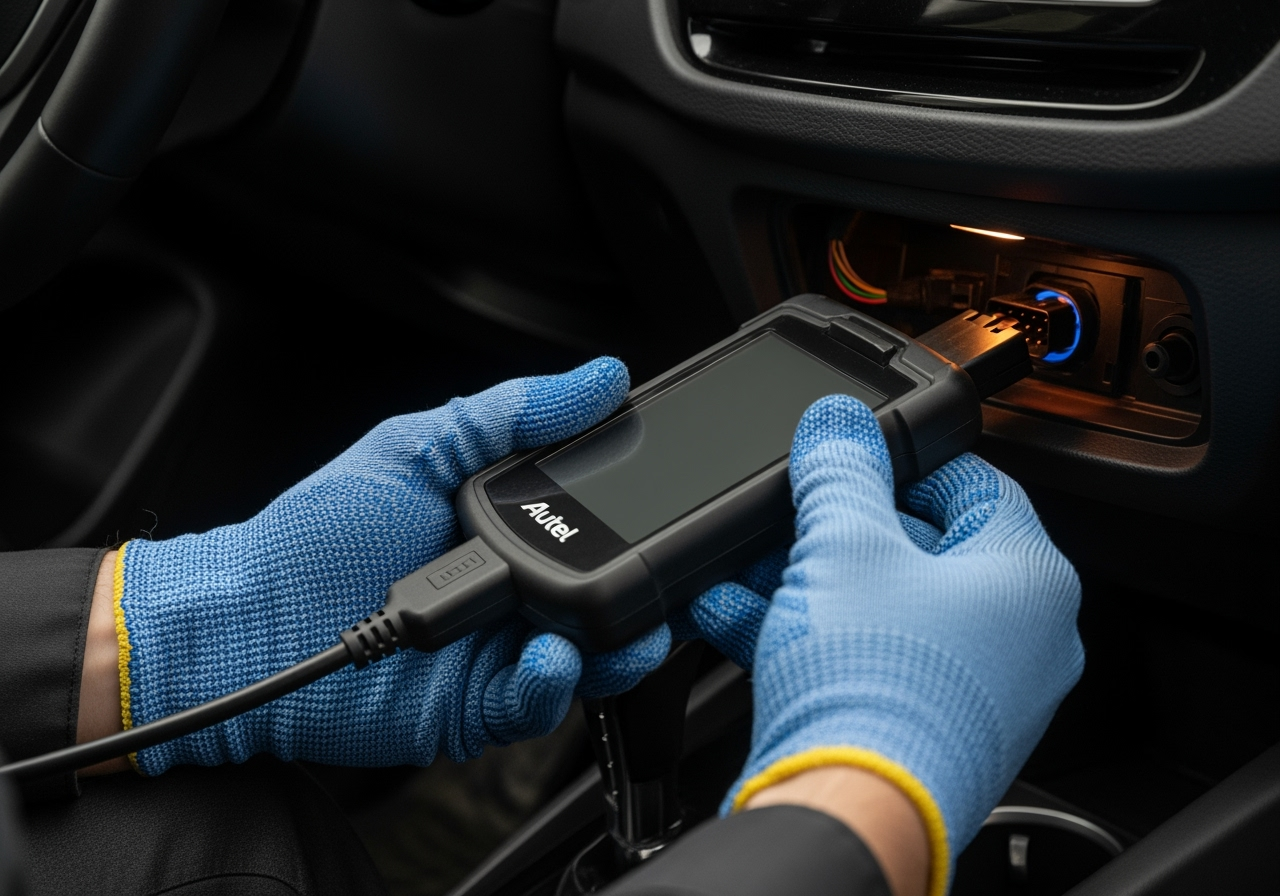
While a quick scan with an OBD-II scanner might seem like the go-to first step, it’s crucial to understand its limitations. A basic code scan only retrieves Diagnostic Trouble Codes (DTCs), which are essentially pointers to a general area of concern rather than definitive answers. For instance, a P0420 code indicates an issue with the catalytic converter efficiency, but it doesn’t tell you why it’s inefficient – it could be a faulty sensor, an exhaust leak, or the converter itself.
A truly comprehensive electrical diagnosis goes far beyond simply reading codes. It involves a systematic process that uses DTCs as a starting point, but then digs much deeper:
- Data Stream Analysis: Professionals use advanced scan tools to monitor live data streams from various sensors and modules. This allows us to observe parameters like voltage, temperature, RPM, and fuel pressure in real-time, identifying values that are out of specification and pointing to the root cause.
- Pinpoint Tests: These are manufacturer-specific diagnostic procedures that involve step-by-step testing of a suspected circuit or component. They often require specialized knowledge and tools to trace the problem circuit and verify the functionality of individual wires, connectors, and components.
- Understanding the “Why”: The goal isn’t just to identify what is wrong, but why it’s wrong. Is a sensor reading incorrectly because the sensor itself is bad, or because it’s not receiving proper voltage due to a wiring issue? This distinction is critical for effective repair.
While a basic code reader provides clues, a Comprehensive vehicle electrical diagnosis involves a systematic process to find the root cause. This typically means investing time, expertise, and specialized equipment, which is why professional diagnostic services often have a fee associated with them, unlike basic free code scans. This investment ensures an accurate diagnosis, preventing unnecessary parts replacement and repeat visits.
Step 3: Advanced Sleuthing with a Multimeter and Schematics
Once initial checks and code scans provide a direction, the multimeter becomes the mechanic’s most versatile tool for detailed electrical sleuthing. This handheld device allows us to measure voltage, current (amperage), and resistance, providing crucial insights into circuit health.
- Multimeter Usage:
- Voltage Drop Testing: This is an indispensable technique for identifying resistance in a circuit. Instead of just checking for the presence of voltage, voltage drop testing measures how much voltage is lost across a component, wire, or connection when the circuit is under load. A significant voltage drop indicates excessive resistance, often caused by corrosion, a loose connection, or a damaged wire, effectively pinpointing the exact location of the problem.
- Continuity Checks: This test determines if a circuit is complete or “open.” By checking for continuity, we can verify if a wire is broken or if a switch is functioning correctly.
- Resistance Checks (Ohms): Measuring resistance helps identify shorts to ground or opens in a circuit. High resistance can indicate corrosion or a poor connection, while very low resistance might suggest a short. Always perform resistance checks on a de-energized circuit to prevent damage to the multimeter or inaccurate readings.
- Wiring Schematics: Modern vehicle electrical systems are incredibly complex, making wiring schematics absolutely essential. These detailed diagrams illustrate every wire, component, and connection within a circuit. They show power sources, grounds, switches, relays, and control modules, allowing a technician to trace the path of electricity and understand how different components are interconnected. Without schematics, diagnosing complex issues, especially intermittent ones, would be like trying to steer a maze blindfolded.
- Diagnosing Intermittent Faults: These are arguably the most challenging electrical problems. They appear and disappear, making them difficult to replicate and diagnose. A combination of voltage drop testing (especially while wiggling wires or connectors), careful observation of live data, and meticulous tracing with schematics is often required. Sometimes, a technician may even use a data logger to record electrical activity over time, hoping to capture the fault when it occurs.

Common Culprits and How to Prevent Them
Understanding the typical causes of electrical system failures is key to both effective diagnosis and proactive prevention. While modern vehicles are marvels of engineering, certain vulnerabilities persist, often leading to predictable issues. Our goal is to perform a thorough root cause analysis, implement best practices for repair, and ensure long-term reliability through consistent vehicle maintenance.
The Usual Suspects: Top Causes of Electrical Failure
Electrical system issues are a common cause of vehicle breakdowns, and a significant percentage of these problems stem from a few recurring culprits:
- Corrosion: This is perhaps the biggest enemy of automotive electrical systems. Moisture, road salt, and chemical exposure can lead to rust and oxidation on battery terminals, wiring connectors, fuse boxes, and ground points. Corrosion increases resistance, impedes current flow, and can cause intermittent or complete circuit failure.
- Poor Ground Connections: As mentioned earlier, faulty ground connections are a pervasive issue. A clean, tight ground is essential for a circuit to function correctly. When grounds become loose or corroded, components may receive insufficient voltage, leading to dim lights, erratic operation, or complete failure.
- Faulty Alternator: The alternator is responsible for recharging the battery and supplying power to the vehicle’s electrical systems while the engine is running. A failing alternator can lead to a dead battery, dimming lights, and a host of other electrical malfunctions as the vehicle struggles to maintain proper voltage. Alternator output should typically be between 13.5 and 14.7 volts when the engine is running.
- Starter Motor Failure: The starter motor is a high-current component critical for engine ignition. Over time, its internal components (solenoid, brushes) can wear out, leading to a clicking sound without engine cranking, slow cranking, or a complete no-start condition.
- Damaged Wiring Harnesses: Wiring harnesses are bundles of wires that transmit electrical signals and power throughout the vehicle. They are susceptible to physical damage from vibration, heat, abrasion, or even rodents chewing through insulation. Damaged wires can lead to shorts, opens, or intermittent connectivity issues.
- Rodent Damage: Unfortunately, rodents like mice and rats find vehicle wiring harnesses an attractive nesting material or even a snack. Their chewing can create shorts or open circuits, leading to bizarre and difficult-to-diagnose electrical problems.
- Water Intrusion: While modern vehicles are designed to be weather-resistant, severe water exposure (e.g., floods, deep puddles, leaky seals) can wreak havoc on electrical components. Water can short circuits, corrode connections, and damage sensitive electronic control units (ECUs) if it reaches them.
- Component Wear and Tear: Like any mechanical or electrical part, components such as relays, switches, sensors, and control modules have a finite lifespan. Over time, their internal contacts can wear out, leading to intermittent failures or complete malfunction.
Proactive Care: Your Guide to Preventive Electrical Maintenance
Preventive maintenance is your best defense against these common electrical failures. By taking a few simple, proactive steps, you can significantly extend the life of your vehicle’s electrical system and avoid unexpected breakdowns.
Here’s a list of key preventive maintenance tips:
- Regular Battery Checks: Periodically inspect your battery for signs of corrosion, physical damage, or swelling. Ensure the terminals are clean and tight. Consider getting your battery load-tested twice a year, especially before extreme weather seasons (hot summers and cold winters), as these conditions are particularly stressful for batteries.
- Cleaning Terminals and Connections: Use a wire brush and a baking soda solution to clean any corrosion from battery terminals. Apply dielectric grease to protect them from future oxidation. Extend this practice to other accessible electrical connections and ground points.
- Securing Connections: Ensure all major electrical connections, including those to the alternator, starter, and fuse box, are tight and secure. Loose connections can generate heat and resistance, leading to failure.
- Inspecting Fuses and Relays: While fuses are designed to blow, regularly checking the fuse box for any signs of heat damage or loose fuses can prevent future problems. Listen for unusual clicking from relays, which might indicate an impending failure.
- Checking Serpentine Belt: The serpentine belt drives the alternator. Ensure it’s in good condition, free from cracks or fraying, and properly tensioned. A loose or worn belt can lead to insufficient alternator output.
- Protecting Wiring from Heat and Vibration: Visually inspect accessible wiring harnesses for signs of abrasion, melting, or rodent damage. Ensure they are properly secured and away from hot engine components or sharp edges. Use zip ties or electrical tape to re-secure any loose sections.
- Addressing Fluid Leaks: Oil, coolant, or power steering fluid leaks can contaminate electrical connectors and wiring, leading to corrosion and insulation degradation. Address any fluid leaks promptly.
By incorporating these simple checks into your routine maintenance, you can significantly reduce the likelihood of encountering frustrating and costly electrical system problems.
DIY vs. Professional Help: Knowing When to Call in the Experts
While empowering yourself with knowledge about your car’s electrical system is invaluable, it’s equally important to know your limits. Some electrical issues are straightforward enough for a confident DIYer, while others demand the specialized expertise, tools, and safety protocols of a professional mechanic. The decision often boils down to balancing vehicle safety, performance impact, potential cost savings, and the consequences of neglect.
Attempting complex electrical repairs without proper training or equipment can lead to further damage, personal injury, or even fire. Moreover, modern vehicles integrate electrical systems with critical safety features like airbags and ABS. Tampering with these without expertise can compromise their functionality.

DIY-Friendly Electrical Checks
For those comfortable with basic automotive tasks, several electrical checks can be performed at home:
- Checking and Replacing Fuses: This is a simple and common fix. If an accessory stops working, locate the fuse box (usually under the hood or dashboard), consult your owner’s manual for the correct fuse, and visually inspect it. A blown fuse will have a broken wire inside. Always replace a fuse with one of the exact same amperage rating.
- Cleaning Battery Terminals: If you notice white or blue-green corrosion on your battery terminals, you can clean them with a wire brush and a baking soda-water solution. Ensure they are dry and tight afterward.
- Visual Wiring Inspection: Periodically, open your hood and visually inspect accessible wiring harnesses for obvious signs of damage, such as chewed wires, melted insulation, or loose connectors.
- Testing Battery Voltage with a Multimeter: A simple digital multimeter can tell you your battery’s resting voltage (should be 12.4V or higher) and charging voltage (13.5-14.7V with the engine running). This can help identify a weak battery or a failing alternator.
When to Seek Professional Diagnosis
For anything beyond these basic checks, or if you’re unsure about the cause of a problem, it’s always best to consult a professional. Here are scenarios where professional help is strongly recommended:
- Safety System Faults (Airbags, ABS): Issues affecting critical safety systems should never be ignored or DIY-attempted. These systems are complex, and improper repairs can lead to system failure or accidental deployment.
- Intermittent Problems You Can’t Replicate: If an electrical issue appears sporadically and you can’t consistently make it happen, diagnosing it requires specialized tools and techniques that professionals possess, such as data logging and advanced circuit tracing.
- ECU or Control Module Issues: The Electronic Control Unit (ECU) and other control modules are the “brains” of your car’s electrical system. Problems with these often require advanced diagnostic software and specialized programming, which are beyond the scope of most DIYers.
- Complex Wiring Repairs: If a wiring harness is extensively damaged, requires soldering, or involves multiple circuits, a professional can ensure repairs are done correctly, safely, and according to manufacturer specifications.
- When You Lack the Right Tools or Expertise: If you don’t have a multimeter, wiring diagrams, or simply aren’t confident in your ability to safely and accurately diagnose an issue, a professional technician is your best resource. Trying to “fix” a problem without the right tools or knowledge can often create more expensive issues.
Ignoring electrical problems can have severe consequences, ranging from being stranded on the side of the road to compromising your vehicle’s safety features. Timely professional diagnosis can save you money in the long run by preventing cascading failures and ensuring your vehicle remains reliable and safe.
Frequently Asked Questions About Electrical System Diagnosis
We often receive questions from vehicle owners about electrical system issues. Here are answers to some of the most common inquiries, providing further clarity on diagnosis and maintenance.
What are the most essential tools for DIY electrical diagnosis?
For the aspiring DIYer, a quality digital multimeter is arguably the most critical tool. It allows you to measure voltage, resistance, and continuity, which are fundamental to understanding electrical circuits. Other highly useful items include a 12-volt test light (inexpensive and great for quick checks of power and ground), a set of jumper wires with alligator clips (for bypassing components or safely applying power), a battery terminal cleaner (to combat corrosion), and crucially, access to your vehicle’s specific service manual or online wiring diagrams. These diagrams are indispensable for tracing circuits.
What’s the real difference between a free code scan and a paid diagnosis?
This is a common point of confusion. A free code scan, often offered by auto parts stores, simply reads the Diagnostic Trouble Codes (DTCs) from your car’s computer. Think of a DTC as a zip code – it tells you the general area where a problem exists (e.g., “Misfire Cylinder 3”). However, it doesn’t tell you the exact address (e.g., “bad spark plug,” “faulty ignition coil,” “clogged fuel injector,” or “wiring issue to injector”).
A paid, comprehensive diagnosis, performed by a professional mechanic, uses these codes as a starting point. The technician then follows a systematic process, which includes:
- Verifying the complaint: Ensuring the symptoms match the codes.
- Performing visual inspections: Looking for obvious damage.
- Utilizing advanced scan tool functions: Monitoring live data streams, performing bidirectional control tests.
- Conducting pinpoint tests: Using a multimeter to test individual wires, connectors, and components within the suspected circuit for voltage, resistance, and continuity.
- Consulting wiring schematics: Tracing the circuit path to identify potential breaks or shorts.
This in-depth analysis is what pinpoints the exact root cause of the fault, preventing guesswork and unnecessary parts replacement. The fee covers the technician’s time, expertise, and the use of expensive, specialized diagnostic equipment and software.
How do intermittent electrical problems get diagnosed?
Intermittent electrical issues are notoriously challenging because they don’t always present themselves consistently. Diagnosing them requires a highly systematic and patient approach:
- Gathering detailed information: The technician will ask extensive questions about when the problem occurs (e.g., specific conditions like hot/cold, wet/dry, bumps, turning, specific accessories on).
- Replicating the conditions: We’ll attempt to recreate the exact conditions under which the fault typically appears. This might involve driving the vehicle, heating or cooling components, or vibrating wiring harnesses.
- Data logging: Using advanced scan tools, data loggers can record electrical parameters over extended periods, even during normal driving, to capture the fault when it occurs.
- Wiggle testing: While monitoring live data or a multimeter, the technician will gently wiggle and flex wiring harnesses and connectors in the suspected circuit. A sudden change in readings can indicate a loose connection or damaged wire.
- Voltage drop testing: This is especially useful for intermittent issues, as it can reveal subtle resistance problems that only appear under certain loads or conditions.
- Thorough inspection of connectors: Meticulous examination of pins within connectors for corrosion, bending, or improper seating is crucial, as these are common sources of intermittent contact.
Diagnosing intermittent faults is often time-consuming and requires significant expertise, but it’s essential for a lasting repair.
Conclusion: Taking Charge of Your Vehicle’s Electrical Health
Your vehicle’s electrical system is its lifeline, powering everything from essential functions to advanced safety features. Recognizing the early signs of electrical distress—from dimming lights and starting problems to unusual smells or malfunctioning gauges—is the first crucial step in maintaining your car’s health.
We hope this guide has empowered you with a better understanding of how these complex systems work and the common issues they face. A proactive approach to maintenance, including regular battery checks, cleaning connections, and visual inspections, can prevent many problems before they start.
While some basic checks are DIY-friendly, knowing when to seek professional diagnosis is equally vital. For complex issues, safety-critical systems, or persistent intermittent faults, the expertise and specialized tools of a qualified mechanic are indispensable. Balancing your own efforts with professional help ensures that your vehicle receives the comprehensive care it needs.
By taking charge of your vehicle’s electrical health, you’re not just preventing breakdowns; you’re ensuring its long-term reliability, optimal performance, and, most importantly, your safety on the road. Drive confidently, knowing your car’s nervous system is in top condition.

