
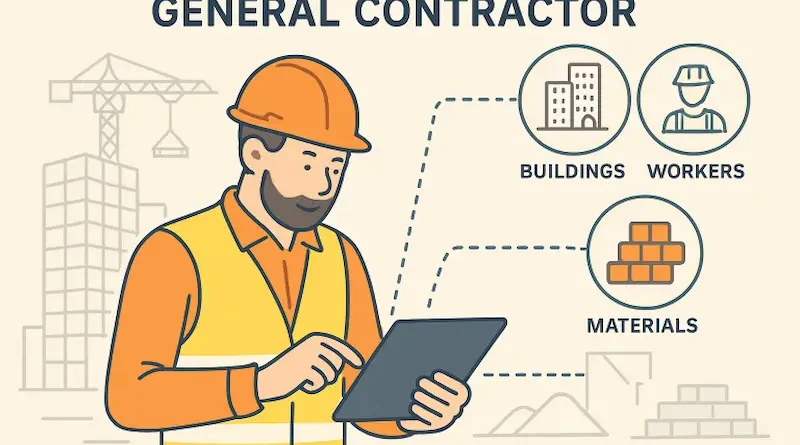
How Modern General Contractors Drive Better Results
The construction industry, a traditional cornerstone of societal and economic development, is now experiencing one of its most dramatic shifts in decades. Modern general contractors are serving as crucial agents of this transformation by leveraging the latest technological advancements to redefine project delivery standards and client expectations. As the digital era accelerates, forward-thinking firms such as Vertical General Contracting are at the forefront, transforming everyday workflows with innovations like cloud-based collaboration, automated tracking, and digital communications. These new tools are doing more than just improving speed—they are fundamentally altering how projects are executed, leading to consistent, on-time, and on-budget outcomes while driving higher quality standards than ever before.
The importance of this technological adoption extends well beyond operational convenience; it is a survival strategy in the face of stiffening competition, evolving regulations, and mounting pressures from fluctuating labor markets. By embracing advanced digital solutions, contractors are also bridging gaps between architects, suppliers, clients, and field teams, resulting in vastly improved project transparency and accountability. In a sector frequently challenged by unpredictable variables such as supply chain disruptions, escalating material costs, and skilled labor shortages, these digital tools enable general contractors to be more resilient and adaptive. Ultimately, they’re empowering firms to maximize efficiency, minimize common risks, and propel the construction industry into a new age of productivity and reliability.
Embracing Digital Transformation
Digital transformation is no longer a distant vision for the future of construction—it is a present-day imperative for any contractor seeking sustained growth and competitiveness. As highlighted by a comprehensive report from McKinsey & Company, firms that integrate digital technologies into every step of their project lifecycle reap observable rewards, from faster project delivery to healthier profit margins. Innovative tools such as Building Information Modeling (BIM), mobile project management apps, and real-time communication platforms are ensuring that the most up-to-date information is always available to those who need it most. This newfound accessibility streamlines decision-making, fosters cross-functional collaboration, and mitigates costly errors caused by outdated data or miscommunication.
Furthermore, adopting digital-first operations promotes a culture of transparency and accountability within project teams. Stakeholders gain visibility into project progress, resource allocation, and budget performance at any given moment. This transparency reduces uncertainty and the likelihood of disputes, making it easier to maintain trust between clients and contractors. As the industry continues to evolve, contractors who prioritize digital transformation are demonstrating exceptional agility, consistently outperforming competitors by adapting to shifting client demands and emerging market trends.
Leveraging Automated Data Collection
Automated data collection is rapidly changing the way contractors manage and monitor projects on-site. Cutting-edge tools such as wireless sensors, drones, and RFID systems give project managers access to real-time jobsite intelligence—from workforce productivity and on-site inventory levels to environmental factors and equipment performance. The richness of this data allows contractors to spot trends, identify inefficiencies, and implement corrective measures before minor issues snowball into major setbacks. This data-driven approach not only reduces waste but also enables more accurate forecasting, ultimately safeguarding project timelines and budgets.
Organizations that deploy automated data collection solutions consistently outperform those relying on antiquated, manual tracking processes. Real-time data empowers teams to make strategic decisions faster, allocate resources more precisely, and uphold higher standards of safety and compliance. Moreover, instant access to key metrics simplifies reporting for stakeholders, improving transparency and accountability. In an industry where time and cost overruns can be detrimental, the value of this automated oversight cannot be overstated.

Optimizing Subcontractor Management
Complex construction projects can involve dozens of subcontractors, each responsible for critical portions of the work. Managing these relationships efficiently while ensuring that expectations, timelines, and compliance requirements are met is no small feat. Leveraging technology for subcontractor management—such as onboarding platforms, automated scheduling software, and digital payment systems—has become an industry best practice. These applications not only reduce paperwork and clerical errors but also centralize communication and documentation for all parties involved.
With transparent workflows and instant reporting tools, general contractors can quickly identify and resolve issues, track subcontractor progress, and confirm compliance with contracts and regulations. This capability reduces disputes, minimizes downtime, and ultimately ensures the end product meets quality standards. The positive impact on productivity and profitability is significant: contractors who streamline subcontractor coordination can devote more resources to value-added activities rather than administrative tasks.
Integrating AI and Machine Learning
Artificial intelligence (AI) and machine learning (ML) are no longer emerging concepts but vital tools actively redefining how construction projects are planned and executed. These technologies analyze massive amounts of data, uncovering patterns that can inform everything from safety strategies to project scheduling. For example, AI-powered systems can predict which tasks are most likely to experience delays or recommend resource allocations that minimize idle time.
The practical application of AI in construction includes automating routine tasks, detecting hazards before they become threats, and optimizing equipment use for greater efficiency. This proactive approach has led to dramatic declines in workplace accidents, reduced costly rework, and measurable savings on project budgets. As these tools become more widely adopted, forward-thinking contractors are using AI and ML solutions as differentiators, giving them a meaningful edge over slower-to-innovate competitors.
Implementing Enterprise Resource Planning (ERP) Systems
Enterprise Resource Planning (ERP) systems have become essential for construction firms that need to manage multiple projects, departments, and stakeholders seamlessly. An ERP solution unifies disparate business functions—such as finance, procurement, HR, inventory, and scheduling—into one integrated platform. This consolidation enhances visibility and promotes data-driven decision-making across the entire organization. As a result, general contractors gain the agility to respond to changing conditions, from sudden shifts in project scope to new regulatory mandates.
The increased efficiency afforded by ERP systems directly translates to better project outcomes. Tasks like invoice processing, supplier management, and compliance tracking are automated, reducing administrative overhead and the risk of manual errors. With critical information centralized and easily accessible, teams are better equipped to keep projects moving forward, regardless of size or complexity. By minimizing waste and streamlining processes, ERP systems help contractors boost profitability and ensure long-term success in a highly competitive landscape.
Adopting Virtual Project Management Tools
The move toward hybrid and remote work environments has been a catalyst for the widespread adoption of virtual project management tools across the construction sector. Solutions tailored for construction—featuring real-time progress dashboards, digital documentation repositories, and integrated communication channels—allow project teams to collaborate efficiently regardless of their physical location. With these platforms, managers can conduct remote site inspections, review digital drawings, and monitor milestones, all in real time.
This shift toward digital project oversight empowers general contractors to respond swiftly to challenges, track every detail with precision, and maintain productivity even during periods of uncertainty or restricted site access. Ultimately, virtual project management tools not only improve flexibility but also enhance accountability, allowing projects to stay on track more reliably. Such innovations are proving invaluable in enabling contractors to deliver successful outcomes in a constantly evolving industry landscape.
Conclusion
Modern general contractors who embrace the full spectrum of digital transformation—from data automation and subcontractor management software to ERP systems, AI, and virtual project management tools—consistently deliver better results for their clients. By staying on the leading edge of technological innovation and prioritizing continuous improvement, they ensure long-term competitiveness and project success in an evolving industry landscape. This proactive approach to technology and innovation represents not just a series of incremental upgrades but a fundamental shift in how the construction industry operates and succeeds.
Visit the rest of the site for more interesting and useful articles.
