
Comprehensive Physiotherapy Services for Rehabilitation Success
Comprehensive physiotherapy plays a vital role in the recovery journey for people dealing with pain, injury, or long-term physical challenges. It focuses on healing the body through movement, guided exercises, and hands-on techniques.
A structured physiotherapy program helps patients regain strength, mobility, and confidence. This article explores the essential elements of comprehensive physiotherapy services and how they support rehabilitation success. Read on.
Understanding Comprehensive Physiotherapy
Comprehensive physiotherapy covers a wide range of treatments designed to restore physical function. It includes assessment, therapy planning, exercise instruction, and continuous monitoring. Each part of the process has a clear purpose.
The therapist studies how the body moves and identifies areas that need improvement. This approach allows for targeted care. It ensures that every session supports the patient’s goals and overall recovery.
Comprehensive care also adapts to many conditions. These include sports injuries, post-surgical recovery, chronic pain, neurological conditions, and mobility limitations.
Role of Assessment and Diagnosis in Rehabilitation
A detailed assessment is the first step in any physiotherapy program. The therapist evaluates posture, movement patterns, muscle strength, joint flexibility, and pain levels. The assessment includes physical tests, patient history, and discussions about daily challenges. This information helps the therapist understand the root of the problem.
A correct diagnosis allows the therapist to match the right treatment to the condition. It prevents guesswork and reduces the risk of further injury. A clear diagnosis also helps patients understand their bodies better.
They gain insight into what caused the problem and how therapy will fix it. It sets realistic expectations and creates trust between patient and therapist. This trust supports motivation throughout the rehabilitation process.
Importance of Personalized Treatment Plans
Every patient has unique physical needs. A personalized plan recognizes these differences. It considers lifestyle, activity level, health history, and goals. The therapist designs simple exercises and manual techniques that match the patient’s condition. The plan also outlines how often therapy sessions should happen and how progress will be measured.
Personalized plans improve rehabilitation success. They help patients stay engaged because they can see results that matter to them. The therapist reviews the plan often and makes adjustments when needed. This flexibility ensures that therapy remains effective. It also helps the patient move through recovery without feeling overwhelmed or discouraged.
Building Strength and Mobility Through Targeted Exercises
Targeted exercises form the core of most physiotherapy programs. These exercises aim to restore strength, balance, and joint movement. The therapist teaches proper form to prevent strain. The movements may be simple at the start. As the patient improves, exercises become more challenging.
These exercises help the body relearn correct movement patterns. They reduce stiffness and improve flexibility. Consistent practice also lowers the risk of future injuries. Strength training supports weak muscles.
Flexibility exercises improve joint motion. Balance work helps with stability. The therapist chooses each exercise with a specific purpose in mind. This structured approach supports smooth and steady progress.
Manual Therapy Techniques for Better Recovery
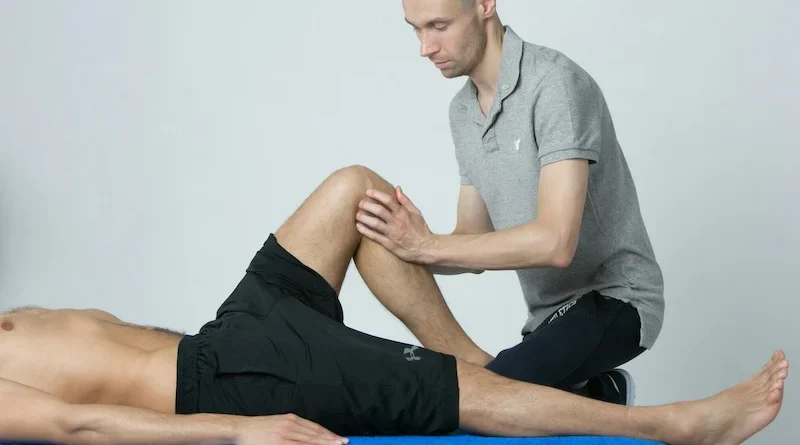
Manual therapy includes hands-on methods such as soft tissue massage, joint mobilization, and stretching. These techniques reduce pain, release tension, and improve circulation. The therapist may use manual therapy to prepare the body for exercise. It helps muscles relax and respond better to movement.
Manual therapy is especially helpful for patients with chronic pain or stiffness. It gives immediate relief and helps restore comfort. It also speeds up recovery after injury or surgery.
The therapist applies gentle pressure and controlled movements. Each technique supports the body’s natural healing process. When used with exercise plans, manual therapy improves overall rehabilitation outcomes.
Use of Modern Rehabilitation Technologies
Physiotherapy clinics now use modern tools to enhance treatment. These tools include ultrasound therapy, electrical stimulation, laser therapy, and digital movement analysis. They help reduce pain, support muscle activation, and improve recovery time. The therapist chooses technology based on the patient’s condition.
Digital tools also help measure progress accurately. They track movement, alignment, and muscle activity. This gives the therapist clear data. It also helps patients see how they are improving. The use of technology does not replace manual care. Instead, it adds support to traditional physiotherapy methods.
It makes treatment more precise and efficient. Some patients discover these services while searching for Physiotherapy Near Me during their recovery journey.
Rehabilitation for Post-Surgical Recovery
Post-surgical rehabilitation requires careful planning. The body needs support as it heals. Physiotherapy helps reduce pain and swelling. It also prevents stiffness and loss of strength. The therapist begins with gentle movements. These help restore basic function. As healing progresses, the therapist adds more exercises.
Post-surgical physiotherapy protects the long-term success of the surgery. It ensures that joints and muscles regain normal movement. It also prevents complications such as weakness or improper healing.
The therapist guides the patient at every stage. This guidance builds confidence and helps the patient return to normal daily activities. A structured plan is essential for a smooth and safe recovery process.
Neurological Rehabilitation Support
Neurological conditions affect how the body moves and responds. Physiotherapy helps patients manage these challenges. Conditions such as stroke, multiple sclerosis, and Parkinson’s disease require long-term support. The therapist works on improving coordination, balance, strength, and mobility. The exercises are gentle but consistent.
Neurological rehabilitation also includes training for daily tasks. The therapist teaches methods that help patients move safely. These methods reduce the risk of falls and improve independence. Progress may be slow, but it is steady. The therapist celebrates small achievements with the patient. These achievements build hope and motivation. The goal is better quality of life and greater physical control.
Education and Lifestyle Guidance in Physiotherapy
Education is an important part of rehabilitation. Patients learn how to protect their bodies and avoid reinjury. They also learn safe movement techniques for work, home, and exercise. The therapist explains how posture, lifting habits, and daily routines affect recovery.
Lifestyle guidance supports long-term success. It may include advice on nutrition, sleep, and stress management. Good habits help the body heal faster. They also support overall health.
When patients understand how their choices affect their bodies, they make better decisions. This knowledge stays with them long after therapy ends. It ensures that the benefits of physiotherapy last for years.
All About Physiotherapy Services
Comprehensive physiotherapy services provide a complete and effective path to recovery. They address pain, mobility issues, and long-term physical challenges. Through detailed assessments, personalized plans, targeted exercises, and modern tools, patients gain strength and confidence.
Physiotherapy supports healing and encourages healthy movement habits. With consistent guidance and care, rehabilitation success becomes achievable for people of all ages and conditions.
Visit the rest of the site for more interesting and useful articles.
