

Tiimatuvat: Finnish Log Houses That Last 100+ Years
Imagine waking up in a cozy wooden house. The air smells fresh. The walls feel warm. Outside, snow covers the trees. This is actually real. This is what life feels like in a Tiimatuvat, a traditional Finnish log house.
For over 700 years, Finnish people have built these amazing homes. They used simple tools. They used local wood. And they created houses that can last for more than 100 years.
Today, Tiimatuvat are becoming popular all over the world. People love them because they are beautiful, eco-friendly, and very comfortable to live in.
In this blog post, we will cover everything about Tiimatuvat. We will explain what they are, how they are built, why they are so special, and how much they cost. Let us begin!
What is Tiimatuvat?
Tiimatuvat is a Finnish word. It means “log houses” or “timber cabins.” The word comes from two parts:
- Tiima relates to timber or log elements
- Tuvat means houses or cabins
So when you put them together, Tiimatuvat simply means “log houses.”
These are no ordinary houses. Tiimatuvat are built using special methods that Finnish builders have used for hundreds of years. They use solid wood logs that fit together perfectly. No nails are needed for the main structure. The logs lock into each other at the corners.
Think of it like building with large wooden blocks. Each piece has a special shape that connects with the next piece. This makes the house very strong and stable.
The History of Tiimatuvat
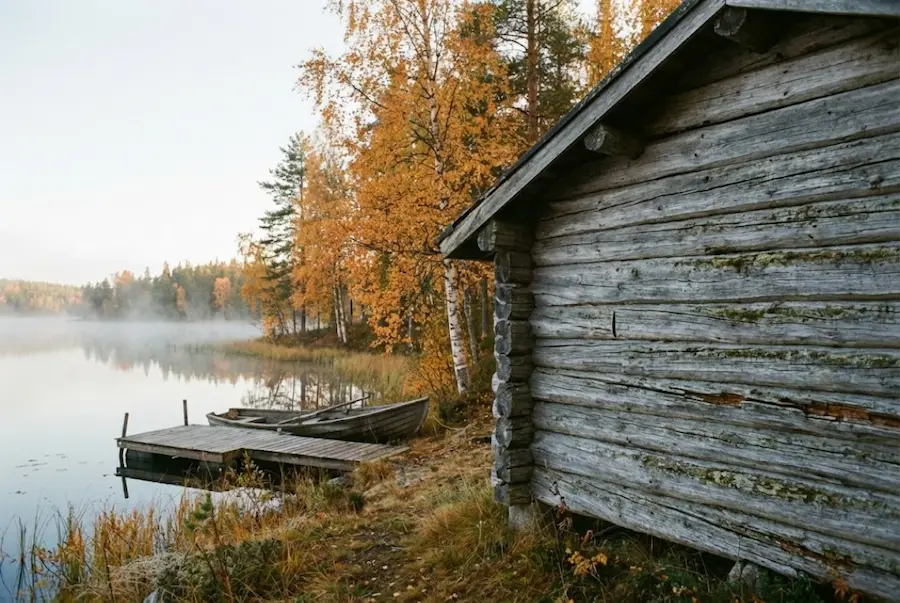
The story of Tiimatuvat begins in the 13th century. That is more than 700 years ago!
Finland is a cold country. Winters are very harsh. Temperatures can drop to minus 40 degrees Celsius. The early Finnish people needed homes that could keep them warm and safe.
They looked around them. What did they see? Forests. Lots and lots of forests. Finland has more forests than almost any other country in Europe. So the people used what they had: wood.
At first, the houses were very simple. They had just one room. The roof was steep so that snow would slide off. There was a fireplace in the middle for cooking and heating.
Over time, the builders got better. They learned new techniques. They made the corners stronger. They added more rooms. They made the houses more comfortable.
The amazing thing is that some Tiimatuvat built 120 years ago are still standing today. They still keep people warm. They still look beautiful. This shows how well these houses were made.
Why Are Tiimatuvat So Special?
You might wonder: what makes these log houses different from other houses? Here are the main reasons why Tiimatuvat are so special:
1. Natural Air Quality
The wood in Tiimatuvat acts like a natural air filter. It absorbs and releases moisture from the air. This keeps the indoor humidity between 40% and 60%, the perfect level for human health.
Studies show that log houses have 30% to 40% less dust in the air compared to houses made with other materials. This is great news for people with allergies or breathing problems.
2. Excellent Insulation
Wood is a natural insulator. This means it keeps heat inside during winter and keeps heat outside during summer. The thick log walls (45mm to 70mm) work like a thermal blanket for your home.
This saves you money on heating and cooling. Many Tiimatuvat owners report lower energy bills compared to houses made of concrete or brick.
3. Eco-Friendly Construction
Building a Tiimatuvat is good for the environment. The reasons are simple:
- Wood is a renewable resource because trees can be planted again
- Manufacturing uses 60% to 70% less energy than making steel frames
- Wood stores carbon dioxide, which helps fight climate change
- No harmful chemicals are released into the air
4. Long-Lasting Durability
With proper care, a Tiimatuvat can last for more than 100 years. Some historic log houses in Finland are still being used after 150 years! This is much longer than most modern houses.
5. Beautiful Appearance
There is something magical about wooden houses. The natural grain of the wood, the warm colors, the rustic charm: all of these create a feeling of peace and comfort. Many people say they feel more relaxed and happy in a log house.
How Are Tiimatuvat Built?
Building a Tiimatuvat requires skill and knowledge. Here is a simple explanation of how these amazing houses are constructed:
Step 1: Selecting the Wood
The best Tiimatuvat are made from slow-grown Nordic pine and spruce. These trees grow in the cold forests of Lapland, in northern Finland.
Because the winters are so cold, the trees grow very slowly. This makes the wood extra strong. The grain is tight and dense. This type of wood resists cracking and damage from weather.
Only the best logs are chosen: Grade A and Grade B timber. Lower grade wood has too many knots and weak spots.
Step 2: Preparing the Logs
The logs must be dried properly. Fresh wood contains a lot of water. If you build with wet wood, the house will shrink and crack as it dries.
Traditional drying takes many months. Modern factories use special kilns to dry the wood faster while keeping it strong.
Step 3: Cutting the Corner Joints
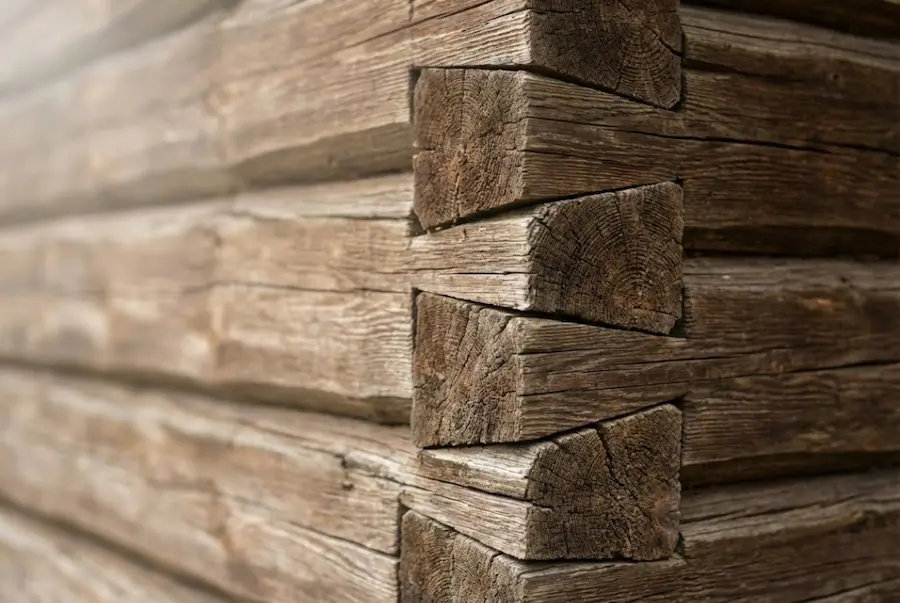
This is where the magic happens. Each log is cut with special shapes at the ends. These shapes are called “dovetail joints” or “corner notches.”
When two logs meet at a corner, these shapes lock together perfectly. No nails or screws are needed. The weight of the logs keeps everything in place.
The most common type is the “double-dovetail” joint. This creates a very tight fit that stops air from getting through.
Step 4: Building the Walls
The logs are stacked on top of each other, one layer at a time. Each layer is called a “course.” As more courses are added, the walls grow taller.
Between each log, builders place insulation material. In the old days, this was moss or animal hair. Today, special foam or fiber materials are used.
Step 5: Adding the Roof
The roof is very important in Finland because of the heavy snow. Traditional Tiimatuvat have steep roofs. This allows snow to slide off instead of piling up.
The roof boards are placed without tongue-and-groove joints. This lets moisture escape naturally, which prevents rot.
Types of Tiimatuvat
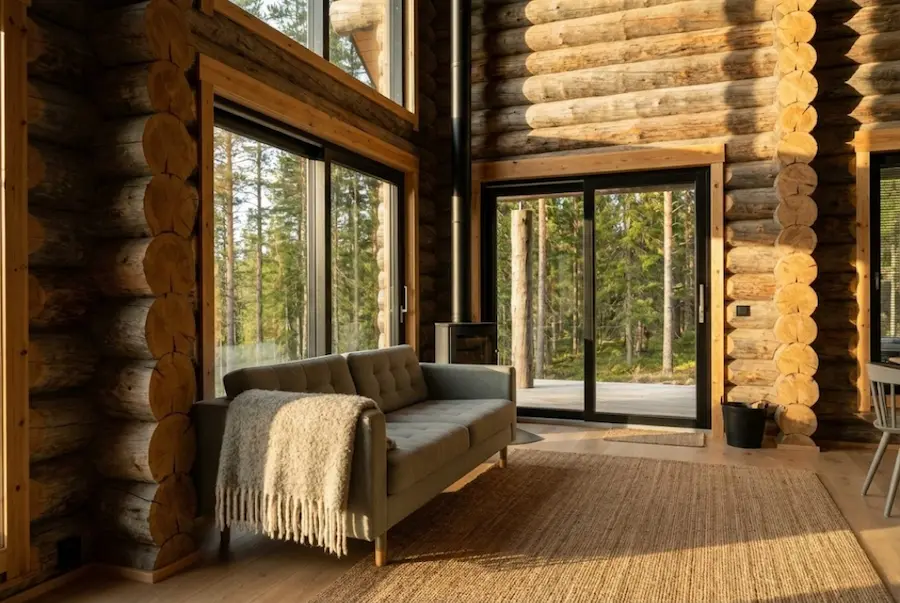
Not all log houses are the same. There are several types of Tiimatuvat, each designed for different purposes:
Traditional Single-Room Cabins
These are the simplest Tiimatuvat. They are small (6 to 9 square meters) with steep roofs. Originally, they were used as saunas or summer retreats. Today, they are popular for lakeside properties and weekend getaways.
Modern Open-Plan Homes
These are larger Tiimatuvat with open floor plans. They combine traditional log construction with modern design. Large glass windows let in lots of natural light. Some use special “non-settling” construction that allows for bigger windows.
Eco-Insulated Log Homes
These use log frames with extra wood-fiber insulation instead of mineral wool. They are very energy-efficient and completely natural. Perfect for people who want the most eco-friendly option.
Luxury Resort-Style Tiimatuvat
These are large, high-end log houses used for hotels, restaurants, and wellness centers. They offer the authentic Nordic experience with all modern comforts.
How Much Does a Tiimatuvat Cost?
This is one of the most common questions people ask. The cost of building a Tiimatuvat depends on several factors:
| Factor | Impact on Cost |
|---|---|
| Size of the house | Bigger house = Higher cost |
| Quality of wood | Premium grade = 20-30% more |
| Wall thickness | 70mm walls cost more than 45mm |
| Design complexity | Custom designs cost more |
| Manufacturer reputation | Premium brands cost more but offer warranties |
General Price Range:
You can expect to pay between $150 and $300 per square foot for Tiimatuvat construction. This means:
- A small cabin (500 sq ft): $75,000 to $150,000
- A medium home (1,500 sq ft): $225,000 to $450,000
- A large home (3,000 sq ft): $450,000 to $900,000
Premium Finnish manufacturers like Polar Life Haus and Pluspuu charge higher prices. But they also offer 10-year warranties and ISO 9001 certification for quality.
How to Maintain Your Tiimatuvat
A Tiimatuvat is like a car: it needs regular maintenance to stay in good condition. This is what you need to do:
Every 2-3 Years
- Apply protective stain to the outside walls
- Check and clean the roof
- Inspect door and window frames
Every 5-7 Years
- Re-stain all exterior surfaces
- Check corner joints for any gaps
- Inspect the foundation
Every Year
- Clean gutters to prevent water damage
- Check roof seams after winter
- Look for signs of insects or rot
Important: Log houses settle naturally over the first 15-20 years. This is normal. You may need to adjust door and window frames during this time.
Where Can You Build a Tiimatuvat?
Tiimatuvat work best in certain locations. Here is what you need to know:
Best Foundation Types
Log houses need stable foundations that can handle settling. The best options are:
- Pier-and-beam foundation: Good for uneven ground
- Full basement foundation: Gives extra living space
- Crawl space foundation: Cheaper option that still works well
Slab-on-grade foundations (flat concrete) are usually not recommended for log houses.
Best Climates
Tiimatuvat are designed for cold climates, but they work well in many places:
- Mountain areas with cold winters
- Lakeside and forest properties
- Northern regions of North America and Europe
- Even moderate climates (with proper ventilation)
Common Uses for Tiimatuvat Today
Modern Tiimatuvat serve many different purposes:
Vacation Homes
Perfect for mountain and lakeside getaways where you want to feel close to nature.
Permanent Residences
Many families now choose log houses as their main home, especially in rural areas.
Hotels and Resorts
Tourists love staying in authentic log cabins. Many resorts offer the “Nordic experience.”
Wellness Centers and Spas
The natural environment of log houses makes them perfect for relaxation and health retreats.
Offices and Commercial Spaces
Some businesses choose log buildings for their excellent air quality and unique appearance.
Frequently Asked Questions
How long does it take to build a Tiimatuvat?
A typical log house takes 3 to 6 months to build, depending on size and complexity. The logs are often pre-cut in a factory and then assembled on-site.
Are Tiimatuvat safe from fire?
Solid logs are actually more fire-resistant than you might think. Thick wood chars on the outside but burns slowly. Modern log houses also include fire treatments and safety features.
Do log houses have insect problems?
Finnish regulations require manufacturers to treat the wood against rot and insects. These treatments are non-toxic for people but keep pests away.
Can I get a mortgage for a log house?
Yes! Many banks now offer mortgages for log homes, especially from certified manufacturers. Having proper documentation and warranties helps.
Are Tiimatuvat energy efficient?
Very much so! The thick wooden walls provide excellent insulation. Many owners report energy savings of 20-30% compared to conventional homes.
Conclusion
Tiimatuvat represent more than 700 years of Finnish building wisdom. These traditional log houses offer something that modern construction often lacks: a strong connection with nature and a sense of true comfort.
Whether you dream of a small cabin by a lake or a full-sized family home in the mountains, Tiimatuvat can make that dream come true. The benefits are clear:
- Healthier indoor air
- Lower energy costs
- Environmentally friendly
- Built to last generations
- Beautiful and classic design
Yes, they cost more than regular houses. Yes, they need some maintenance. But for many people, the benefits far outweigh the costs.
If you are thinking about building a Tiimatuvat, start by researching certified Finnish manufacturers. Look for companies with good warranties and ISO certification. Visit some log houses if you can. Nothing beats seeing and feeling one in person.
Your future self will thank you for choosing a home that breathes with you, keeps you warm, and brings you closer to nature every single day.
This article was researched using information from Finnish construction standards, architectural studies, and certified log house manufacturers.
Visit the rest of the site for more interesting and useful articles.
