
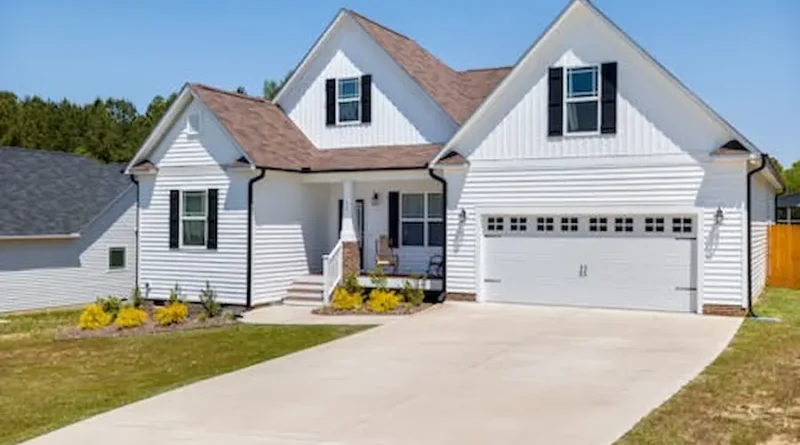
How to Build a House That Holds Up in Harsh, Hot Conditions
Building in a climate where heat blisters the ground and sun beats down all day means you can’t treat design like an afterthought. When temperatures climb and shade disappears, houses without smart planning suffer. A good plan makes the difference between a dwelling that swelters and one that stays cool and long-lasting, even under harsh conditions. You’ll want to think about orientation, airflow, material choice, shading, insulation, and systems that tackle heat rather than add to it.
Here’s clear, practical guidance for a home that stays comfortable, stands strong, and feels steady and well-balanced in blazing heat without confusion or guesswork:
Start with the site and climate conditions
Before you think about materials or finishes, read the land and sky. Heat and wind patterns aren’t random. You want to place your rooms and open areas where breezes flow and the hottest afternoon sun doesn’t hit directly. Sit with a simple site diagram and mark morning and afternoon sun paths for each season. You can shift the building footprint to reduce direct heat gain on walls that face west and south. This planning feels so basic it’s easy to skip, but moving the structure even a few degrees can cut interior heat and monthly energy use. Smart positioning is one of the first practical moves toward a house that stays livable and efficient.
Use climate-driven design with a seasoned approach
Homes shaped for blistering conditions need more than a generic plan. A design approach rooted in understanding light, heat, and local temperature swings delivers comfort throughout the year. Many homeowners lean toward desert contemporary architecture because it mixes clean, modern lines with heat-smart shade, light control, and indoor–outdoor flow. On these projects, designers focus on shade, airflow, and energy use right from the start. The planning process emphasizes deep overhangs and screens to manage sunlight as it moves across the site rather than just blocking it. These experts also use passive cooling strategies and thermal mass to keep indoor temperatures stable. Because of the specialized design, homeowners need specific safety training, and precautions are recommended for its use.
Build a sturdy shell that resists heat entry
A strong building envelope is your first real defense against heat. Prioritize dense wall structures with quality insulation and tight seals around joints. Gaps and cracks let hot air sneak in and force cooling systems to work harder. Spend as much time on sealing and insulation as you do on finishes. Basic checks on door and panel fits make a huge difference. In hot climates, the shell matters far more than fancy finishes. Think of it as a filter between harsh conditions and your everyday comfort. Start with a good foundation, then layer insulation and seals to lend durability, temperature control, and a comfortable interior no matter how scorching it gets outside.
Choose materials that tolerate the sun and heat.
The right materials can last decades under strong sunlight without warping, cracking, or fading. Look for products rated for intense UV exposure and daily temperature swings. Lighter colors reflect more heat than darker ones, which helps surfaces stay cooler. Use finishes that resist chalking and fading so the building looks good for years. Pay attention to junctions where materials meet; poor connections lead to gaps that let heat and dust inside. Stick to options with real performance data rather than trendy labels. A careful choice here cuts replacement costs and keeps indoor spaces healthier. Tough materials are a long-term investment in resilience and daily comfort.
Design roofs that keep the heat out
The roof gets hit with the most direct sun all day. Pick shapes and coverings that reduce how much heat hits the ceiling and then radiates inside. Reflective coatings and vented roof assemblies help keep heat from accumulating above living spaces. Roof overhangs or folding edges cast shade on walls and glass, so harsh rays don’t bake surfaces. If you add solar panels, they can shade roof fields and cut cooling loads. Think of roofing as a cooling strategy as much as a cover. A well-designed roof shrinks your energy use and gives you a cooler interior without constantly running systems.
Size and place openings with heat control in mind
Window and door choices make a dramatic difference in hot climates. Too much glass facing the sun turns rooms into ovens. Place openings where prevailing breezes come through, and use high-performance glazing with coatings that reduce heat ingress while still giving natural light. Add shading devices on the sunniest faces so interiors stay bright but not hot. Exterior shades or deep reveals work better than interior blinds because they stop heat before it enters. Proper placements cut glare and reduce cooling load, which feels good on the power bill. Think of openings as tools for comfort, not just views.
Plan shade into the design early
Shade shapes comfort. Fixed options like awnings and built-in screens reduce solar gain without needing daily setup. Adjustable shades give flexibility when seasons change. Prioritize shading the west and south edges where the afternoon sun hits hardest. Shade protects not just people but also building surfaces, slowing wear from UV and heat. You can incorporate shade into roof projections, pergolas, and even trellises. Try louvered covers or vertical screens where needed. These moves cut midday heat and create inviting niches for rest, even in very hot weather. Good shade design is simple but makes the whole dwelling feel calmer and more livable.
Match cooling and airflow to the climate
Natural ventilation and mechanical cooling should work together. Try to capture breezes through planned windows and openings. Gentle airflow lowers skin temperature and makes spaces feel cooler without overworking systems. Where passive airflow isn’t enough, use targeted cooling in the zones people use most. Ceiling fans and ventilators help move air and cut perceived heat. Align ducts and vents so they don’t fight each other. The idea is to cool smarter, not harder. A balanced approach saves energy and gives stable comfort throughout the day and night, even during peak heat.
A home that stands strong in relentless heat doesn’t happen by chance. It requires deliberate choices from site to systems. Orient the plan for airflow and shade, tighten the shell, pick heat-tolerant materials, and shape openings for light without excess warmth. Combine passive designs with smart cooling, water choices, and routine care so the dwelling stays comfortable and durable. When you take a holistic, climate-aware approach, you get a living space that feels balanced and ready for whatever the sun throws at it. Start with thoughtful decisions early, and you’ll reap comfort and efficiency for years.
Visit the rest of the site for more interesting and useful articles.
