
Dental Implants: Advantages, Key Considerations, and What to Anticipate
Dental implants have transformed the field of restorative dentistry by providing a durable, stable, and aesthetically pleasing solution for missing teeth. For individuals seeking a tooth replacement option that looks, feels, and functions like natural teeth, implants can be a life-changing choice. If you’re considering options in Missouri, Dental Implants St. Louis, MO, offers specialized services that may align with your needs and expectations.
Before deciding on dental implants, it’s important to understand both the benefits and potential drawbacks, as well as what candidates can expect during the process. Not everyone is an ideal candidate, so evaluating your dental health, lifestyle, and the overall process is crucial to making an informed choice.
Implants can offer a solution where bridges and dentures may fall short, but every patient should weigh the costs, commitment, and alternatives. A thorough consultation with your dentist will help determine whether this advanced dental restoration is the best path for you.
Benefits of Dental Implants
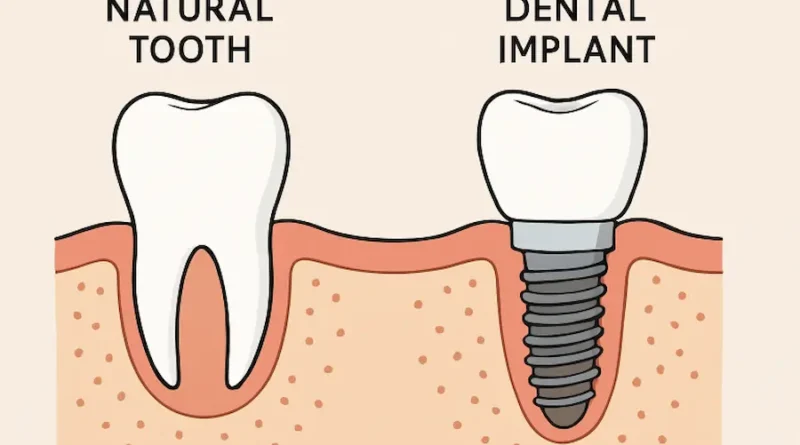
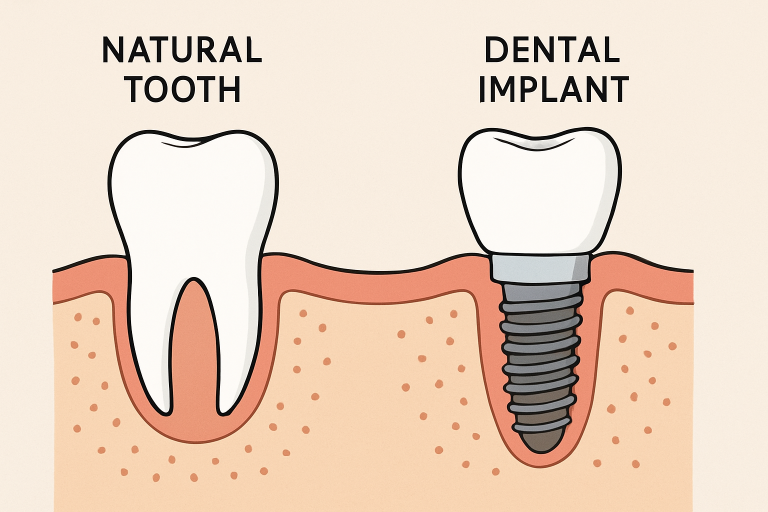
One of the primary advantages of dental implants is their close resemblance to natural teeth in both look and feel, making them a preferred choice for those wanting a confident smile and restored chewing ability. According to Healthline, implants are securely anchored in the jaw, which not only stabilizes the artificial tooth but also helps to preserve jawbone density, a key factor in supporting facial structure and long-term oral health.
- Natural Appearance and Function: Custom-made crowns are matched to your surrounding teeth, ensuring a seamless, lifelike smile.
- Durability: Dental implants are engineered to last, often functioning well for decades with proper oral hygiene and care.
- Bone Health Preservation: Unlike bridges and dentures, implants stimulate and retain jawbone, preventing the bone loss that can occur with missing teeth.
- Improved Speech and Comfort: With implants, speech is often clearer and there is less risk of discomfort or movement compared to removable dentures.
Potential Drawbacks and Considerations
Despite their many benefits, dental implants are a significant commitment and present certain considerations:
- Surgical Risks: The procedure is generally safe, but as with any surgery, there is a risk of complications such as infection, nerve damage, or implant failure. Working with a highly qualified implant dentist minimizes these risks.
- Time Commitment: From consultation and placement to final crown attachment, the process may span several months, particularly to allow for proper healing and integration.
- Cost: Implants are often more expensive than bridges or dentures. Insurance coverage varies widely, so understanding your policy is essential.
- Suitability: Not everyone qualifies for implants. Certain conditions, such as diabetes or significant bone loss, may limit eligibility.
Who Is a Good Candidate?
The best candidates typically have good oral and general health, adequate jawbone for anchoring the implant, and excellent oral hygiene. Healthy gum tissue free from periodontal disease is crucial; issues here could undermine the implant’s stability or longevity.
- Good overall physical health without uncontrolled chronic diseases.
- Enough bone density to support and fuse with the implant.
- Gums that are healthy and capable of healing around the implant.
- Commitment to ongoing oral hygiene and routine dental care.
Heavy smokers, patients with certain chronic conditions, or those undergoing treatments that affect bone healing may still be eligible but often require additional screening and planning.
The Dental Implant Process
Dental implants involve a series of steps, each essential for long-term success:
- Initial Consultation: Your dentist will review your medical and dental history, take x-rays, and possibly conduct a 3D scan to evaluate your jawbone.
- Surgical Placement: The implant is surgically inserted into your jawbone under local anesthesia or sedation.
- Healing and Integration: Over several months, the implant fuses with the bone—a process known as osseointegration.
- Abutment Placement: Once healed, a connector (abutment) is attached to the implant, providing a base for the new tooth.
- Crown Placement: The final step involves affixing a custom-made crown to the abutment, restoring complete function and appearance.
Cost and Insurance Coverage
Implant costs can range from $3,000 to $5,000 per tooth, mainly due to specialized materials, laboratory work, and surgical expertise. Additional expenses may arise for preparatory procedures such as bone grafts or extractions. Dental insurance varies considerably; while some policies offer partial coverage, many consider implants an elective, non-covered procedure. Be sure to consult your dental and medical insurance providers in advance for an accurate estimate of out-of-pocket costs.
Maintenance and Long-Term Care
Success with dental implants depends on dedicated oral hygiene and preventive care. Routine brushing and flossing, along with regular dental visits, help you avoid peri-implant diseases and other complications. Avoid using teeth to break hard foods or open packages, and quit smoking to improve your outcome. Ongoing care by your dentist includes professional cleanings and X-rays to monitor the health of your implants.
Alternatives to Dental Implants
If implants are not the right fit, viable alternatives such as bridges or removable dentures could be considered. Bridges work for gaps involving adjacent healthy teeth but may require modification of those teeth. Dentures, whether full or partial, can replace numerous missing teeth but often lack the stability and bone-preserving qualities of implants.
- Dental Bridges: Effective for short spans but may impact adjacent teeth.
- Partial or Full Dentures: More affordable and removable, yet less stable and natural-feeling compared to implants.
A thorough understanding of all options is essential.
Making an Informed Decision
Choosing dental implants is a significant and personal decision. Consult with a dental professional to review your health status, discuss goals, and determine the best way forward. Consider your financial situation, willingness to commit to multiple appointments, and your long-term oral health objectives. Weigh all available options, review your dental team’s credentials, and ensure you understand the risks and benefits of each tooth replacement option. Armed with comprehensive information, you’re better equipped to restore your smile and confidence in a way that fits your unique circumstances.
Visit the rest of the site for more interesting and useful articles.
