
Common Plumbing Issues Every Homeowner Should Know
Maintaining your home’s plumbing system is crucial for both your comfort and your financial well-being. Even minor plumbing problems, if left unaddressed, can escalate into costly emergencies or result in significant property damage. Understanding common issues can empower you to take preventive measures, tackle some repairs yourself, and know when to call a professional for assistance. For Denver residents seeking reliable plumbing assistance, reaching out to a trusted plumber Denver is an excellent step toward protecting your home.
Every homeowner can benefit from learning how to recognize the warning signs of plumbing issues. Proactive plumbing care helps prevent wasted water, unsanitary conditions, and long-term structural issues. Identifying the source of a leak or clog early can save hours of stress and hundreds of dollars. Staying ahead with regular inspections ensures your plumbing system runs smoothly and efficiently, ensuring peace of mind throughout the year.
1. Dripping Faucets
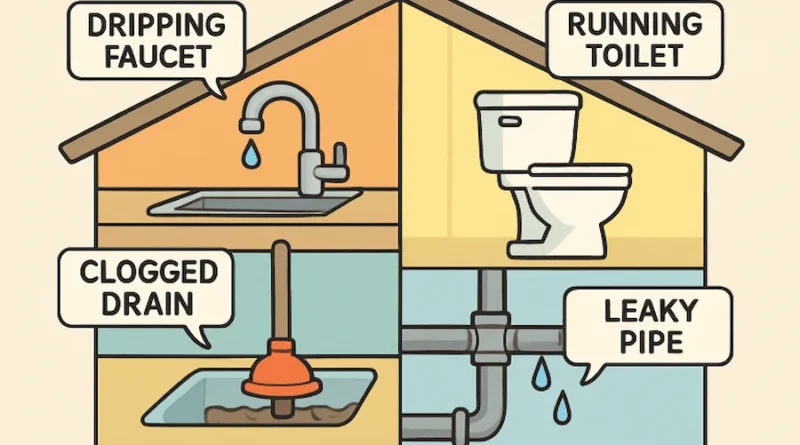
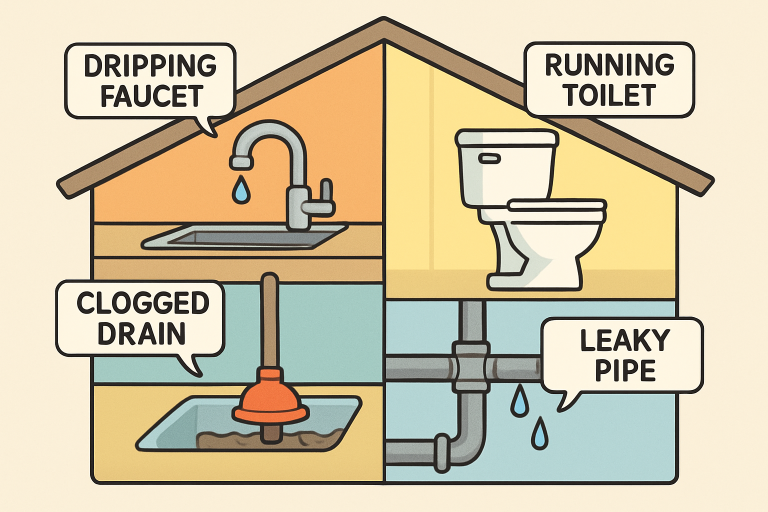
Dripping faucets may seem trivial, but they are a common nuisance in many households. Each constant drip can waste gallons of water over time, driving up your utility bill. Most often, a worn-out washer or O-ring is to blame. Fortunately, replacing these parts is a simple DIY repair for many homeowners. If the problem persists, corrosion or incorrect faucet installation might be factors worth discussing with a professional.
2. Clogged Drains
Clogged drains occur frequently due to the build-up of hair, soap scum, food, and grease. While commercial drain cleaners can offer temporary relief, they can damage pipes with regular use. A plunger or a drain snake is far safer and more effective for most blockages. Preventive action—such as installing strainers and being mindful of what’s going down your drains—can minimize the issue and prevent chronic clogs.
3. Running Toilets
A running toilet, left unattended, can waste up to 200 gallons of water each day. Most cases indicate a faulty flapper valve that fails to close correctly. Other causes could be sediment build-up in the tank or a misadjusted float. These components are usually inexpensive and widely available at hardware stores, making fixes straightforward for most handy homeowners. Saving water helps not only your bills but also the environment. Discover water conservation tips from the EPA’s WaterSense program.
4. Low Water Pressure
Low water pressure can make simple daily activities, like rinsing dishes or showering, a frustrating experience. In older homes, corroded pipes are a common culprit. Other causes may include leaks, sediment build-up, or even clogged aerators on faucets. While cleaning an aerator may restore pressure, persistent issues often require a plumbing inspection to rule out leaks or corrosion within the walls of your home.
5. Leaky Pipes
Leaky pipes pose a real threat to a home’s structure, potentially leading to water stains, wood rot, and mold growth. Causes range from aging materials and corrosion to excessive water pressure, as well as shifting foundations. Routine checks for leaks, especially near joints, under sinks, and along visible piping, will help catch trouble before it escalates.
6. Water Heater Issues
Water heaters are indispensable for household comfort, but inconsistent hot water, odd noises, or leaks spell trouble. Common problems include sediment accumulation in the tank, malfunctioning heating elements, and faulty thermostats. Flushing the tank annually helps prevent sediment build-up and can extend your heater’s lifespan. For persistent issues, a professional evaluation ensures safety and efficiency.
7. Sump Pump Failure
If your home has a basement, a functioning sump pump is crucial for managing stormwater and preventing costly flooding. Power failures, stuck switches, or clogged discharge lines are the most frequent issues. Test your sump pump before each storm season, keep discharge lines clear, and consider a backup power source to ensure reliable performance during heavy rains.
8. Sewer System Backup
A sewer system backup is a significant health hazard and can quickly escalate into a major crisis. Signs include multiple backed-up drains, strong sewage odors, and water pooling around floor drains. Common reasons are tree root intrusion, blockages, or deteriorated sewer lines. Early intervention by a licensed plumber is crucial to prevent widespread contamination and costly restoration efforts.
9. Frozen Pipes
Pipes exposed to freezing temperatures are at risk of freezing and bursting—a disaster that can cause flooding and damage to homes and property. Insulating vulnerable pipes, keeping cabinet doors open to allow warm air to circulate, and allowing a trickle of water to flow during extreme cold can help prevent most freezing incidents. If you suspect a pipe has frozen, act quickly by turning off the main water supply and contacting a professional for safe thawing solutions.
10. Garbage Disposal Issues
Garbage disposals simplify kitchen clean-up but can get jammed or clogged by fibrous foods, grease, or improper use. Running cold water while the disposal is in use helps keep food moving and prevents blockages. Never place bones, coffee grounds, or oils down the disposal. Persistent odors or mechanical jams are best handled by a plumber to avoid damaging the appliance or your plumbing system.
Identifying these common plumbing issues early allows you to act promptly, potentially saving money and preventing long-term damage. Routine maintenance and timely professional intervention are the keys to a trouble-free plumbing system—all homeowners should know how to spot the signs before minor problems become major headaches.
Visit the rest of the site for more interesting and useful articles.
