
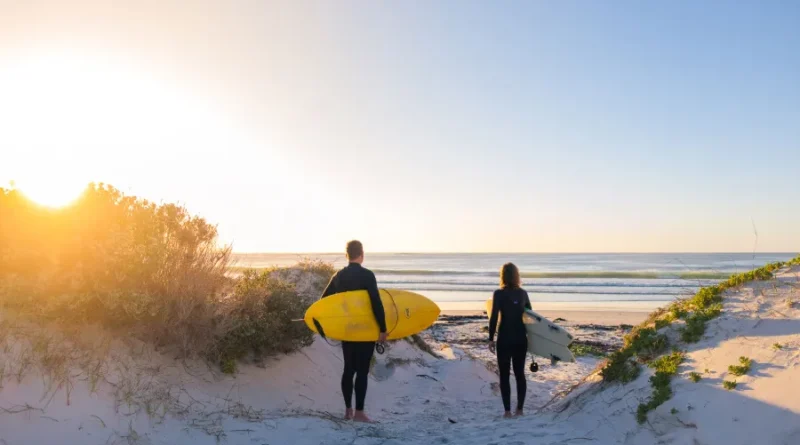
Essential Tips for Women Planning a Surf Retreat
Embarking on a surf retreat offers an exhilarating opportunity for women to connect with the ocean, challenge themselves physically, and enjoy a unique adventure in the company of like-minded individuals. It’s a chance to escape the daily grind, recharge mentally, and enhance your surfing skills, all while immersing yourself in a supportive and inspiring community. Thoughtful preparation can make all the difference, turning a good trip into an unforgettable one. If you’re considering joining a surf retreat, here are essential tips and considerations to ensure your experience is not just enjoyable, but also empowering and transformative.
Selecting the Right Surf Retreat
Choosing a surf retreat that caters to your experience level, goals, and personal interests is one of the most critical decisions you’ll make. Women’s surf retreats often offer beginner-friendly programs as well as advanced coaching, so you can find one that feels both supportive and challenging. Many retreats go beyond daily lessons, offering workshops, wellness activities, and cultural outings that create a holistic and memorable experience. For example, Chica Brava, Nicaragua’s first and premier women’s surf retreat, offers a range of packages and excursions tailored explicitly for women.
Founded by six-time National Nicaraguan Surf Champion Ashley Blaylock, Chica Brava has set a benchmark for female-focused surf retreats since 2007. The retreat crafts personalized itineraries that strike a balance between skill development, fun, and community-building, ensuring every attendee leaves feeling confident in both surfing and themselves. When selecting a retreat, consider the teaching style, group size, and additional amenities such as yoga, spa treatments, or local dining experiences. Asking for reviews or testimonials from past participants can also provide invaluable insight into how the retreat supports women’s surfing journeys.
Researching Your Destination
Investigating your retreat’s location beforehand ensures you are prepared for what awaits you. Surf conditions can vary significantly from region to region—some spots offer gentle, consistent waves ideal for beginners or intermediates, while others might be more challenging. For instance, Morocco’s Atlantic coastline is renowned for hosting ideal beginner waves from September to November and again from March to May, making these months optimal for newcomers. Besides knowing when the waves will be best, familiarize yourself with local weather patterns, water temperatures, and potential hazards, such as strong currents or rocky beaches.
Equally important are cultural considerations; understanding the destination’s customs regarding attire, behavior, and interactions is not only respectful but often enhances your overall immersion into the local lifestyle. In coastal towns, modest dress may be appropriate when you step away from the beach, and learning a few local phrases can ease communication and foster goodwill with residents. Once you’ve chosen a destination, check government travel advisories and read up on logistics, such as visas, currency, and medical facilities, so you can focus on enjoying the surf and scenery without avoidable disruptions.
Physical and Mental Preparation
The physical demands of surfing can be significant, particularly for those who aren’t accustomed to spending hours paddling, balancing, and maneuvering on a board. In the weeks or months leading up to your retreat, incorporate healthy habits and routines that support your body’s endurance and flexibility. Engaging in strength training, especially for the arms, back, and core, will help you paddle efficiently and recover from falls. Flexibility exercises, such as stretching and mobility workouts, are equally crucial for avoiding injury and maintaining proper posture on the board.
Cardiovascular conditioning—whether through swimming, running, or cycling—can also greatly benefit your energy levels and surfing stamina. Many surfers, both beginners and veterans, discover that yoga is invaluable; it develops balance, core strength, and body awareness that directly translate to improved performance in the water. Mental preparation is just as critical: set achievable goals for your retreat and adopt a growth mindset that lets you learn from every wipeout or challenge. Visualize yourself surfing successfully and approach new experiences with curiosity and a positive attitude. This mental resilience can make the difference between frustration and growth, especially when facing unfamiliar waves or temporary setbacks.
Packing Essentials
Your packing strategy can significantly influence the comfort and success of your trip. When preparing for a surf retreat, prioritize efficiency and versatility. Essential surf gear includes a well-fitting swimsuit or surf bikini, a wetsuit or rash guard suited to the destination’s climate, and a board leash if you plan to bring your own board. Contact the retreat in advance to inquire about the equipment that will be provided and what you should bring. For sun protection, invest in a high-SPF, reef-safe sunscreen to safeguard your skin and marine life, as well as a wide-brimmed hat and sunglasses to minimize UV exposure between sessions.
Other practical items include a reusable water bottle to stay hydrated, quick-drying towels or a sarong, and a compact first-aid kit for minor injuries or scrapes. Some women pack additional comfort items, such as lightweight loungewear, sandals, and calming essentials like an eye mask or their favorite book, for downtime. When packing toiletries, opt for eco-friendly products and keep liquids to a minimum for easy airport security checks. Packing light will simplify travel and give you the flexibility to explore beyond the retreat.
Embracing the Community
For many women, the most memorable part of a surf retreat is not just the ocean, but the people they meet. Group retreats bring together surfers of all backgrounds and foster a special kind of camaraderie; you’ll likely find encouragement and celebration for every accomplishment, whether it’s mastering a new skill or simply getting through a tough session. Participating in group meals, workshops, and local excursions builds a sense of sisterhood and mutual support.
Many women form lasting friendships, professional connections, and even future travel partnerships during these retreats, expanding their comfort zones in the process. Embracing the community aspect means showing up for group activities with an open heart, being willing to help others, and sharing your experiences both in and out of the water. These interactions can boost your self-confidence, inspire you to push new boundaries, and remind you that you’re not on this journey alone. The shared triumphs and challenges create lasting memories and a transformation that goes beyond the surfboard.
Safety Considerations
Keeping safety at the forefront of your plans helps ensure a stress-free adventure. Before booking your spot, review the retreat’s safety protocols, including the qualifications of the instructors and emergency response plans. Qualified instructors with lifeguard certifications and years of experience working with women ensure you’re learning in a secure environment. Ask if the retreat provides a pre-trip orientation or daily safety briefings.
Equally important is travel insurance—choose a policy that covers surfing or watersport activities, medical care, and trip interruption. Stay updated on local health and travel advisories, especially in remote areas, and keep a list of emergency contacts and nearby medical facilities. Discuss any health concerns or dietary needs with the retreat in advance to ensure your requirements can be accommodated. By proactively addressing these safety details, you can relax and focus your energy on surfing, connecting, and adventure.
Managing Expectations
Perhaps the most valuable advice is to approach your surf retreat with an open mind and realistic expectations. Surfing is a complex sport; progress doesn’t always happen overnight, and conditions can change quickly based on weather or tides. Set small, achievable goals for each day—maybe it’s getting to your feet consistently, learning to read the waves better, or meeting someone new at dinner. Celebrate every milestone and be gentle with yourself if things don’t go perfectly. Remember, the retreat is as much about self-discovery and personal growth as it is about improving your surf technique. Let go of comparison and competition, and instead, focus on the unique journey you’re on. Each wave, challenge, and connection is an opportunity to learn more about yourself and the world around you.
Conclusion
Planning a surf retreat as a woman involves thoughtful research, preparation, and a willingness to immerse yourself in new experiences. By selecting a retreat that aligns with your needs, preparing both physically and mentally, and engaging fully with the community, you set the stage for lasting growth and adventure. Remember, the journey is as important as the destination, and every day on the water presents a new opportunity to discover joy, strength, and confidence within yourself.
