
Sustainable Flooring Solutions for Modern Homes
Eco-conscious living is more than just a trend; it is a commitment that influences every decision in home design, starting from the ground up. One of the first significant choices you will make when building or remodeling a home is your flooring. With a growing variety of sustainable materials, finding the perfect blend of style, durability, and environmental responsibility has never been easier. Whether you are drawn to natural looks or bold, modern aesthetics, there is a sustainable option to suit every taste. To explore a seamless range of modern, eco-friendly flooring options and professional advice, visit Knots Flooring.
Choosing sustainable flooring enhances not only the aesthetic of a home but also promotes healthier indoor air quality, resource conservation, and overall well-being. As more homeowners opt for greener choices, manufacturers are developing new technologies and techniques that balance style and sustainability. Flooring options that utilize renewable resources, recycled content, or repurposed materials effectively conserve natural resources and reduce waste, thereby minimizing the carbon footprint and supporting ethical harvesting practices.
Eco-friendly flooring materials provide diverse textures, colors, and tactile benefits, enriching living spaces without sacrificing comfort or luxury. The rapidly advancing industry offers inspiring solutions for those committed to a greener lifestyle. For practical advice on selecting, installing, or maintaining green flooring, reputable publications like Architectural Digest provide valuable guidance to make informed, sustainable choices confidently.
Bamboo Flooring
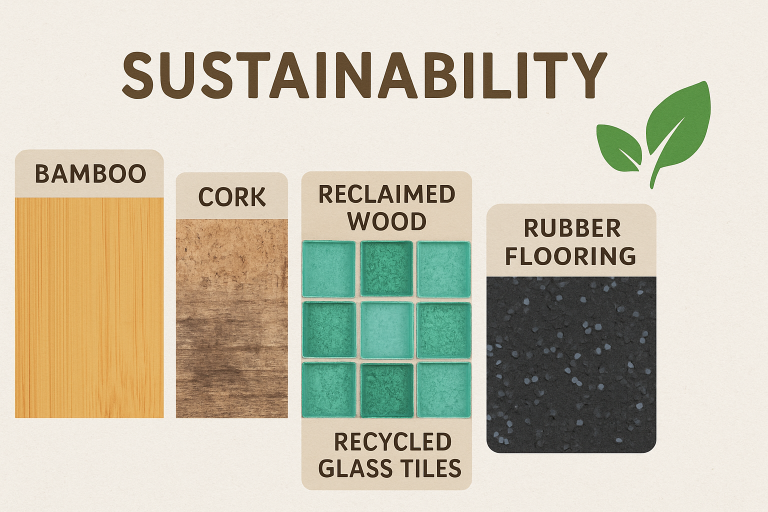
Bamboo stands out as a top sustainable flooring material thanks to its rapid regrowth rate, which can reach maturity in just 3 to 5 years. This quality helps reduce deforestation and gives homeowners a highly renewable alternative to traditional hardwood. Modern bamboo flooring is engineered to be strong and resilient, making it ideal for high-traffic areas. In addition to its sleek, contemporary style, bamboo naturally resists moisture and pests, which has contributed to its expanding popularity across a variety of climates and home designs.
Cork Flooring
Cork provides an impressively sustainable option, as it is harvested from the bark of cork oak trees in a manner that allows continuous regrowth without harming the tree. Its production process leaves a low carbon footprint and results in a flooring material that is soft, resilient, and comfortable underfoot. Cork’s natural thermal and acoustical insulation benefits help regulate room temperatures and minimize noise. Its hypoallergenic and antimicrobial qualities make it a top pick for family homes and allergy sufferers.
Reclaimed Wood
For homeowners interested in elevated character and history, reclaimed wood delivers a one-of-a-kind look while respecting the planet. This flooring is sourced from structures like barns, factories, and warehouses slated for demolition, breathing new life into lumber that might otherwise go to waste. Reclaimed wood conserves forests by eliminating the need for fresh cuts. It displays a rich patina and unique grain, giving your homea heritage appeal combined with eco-friendly principles. Reclaimed flooring’s growing market has also inspired efforts to trace the origins of each plank for transparency and authenticity.
Recycled Glass Tiles
Recycled glass tiles represent innovation at its best, utilizing post-consumer glass to produce beautiful, eco-conscious surfaces. Commonly made from recycled bottles and window glass, these tiles reduce landfill waste and lower demand for mining raw materials. Available in a wide spectrum of colors and patterns, glass tiles can add sparkling sophistication to kitchens, bathrooms, and even accent walls. Their nonporous nature prevents water absorption, making them a hygienic and sustainable choice for wet areas. For more on the environmental benefits of recycled glass, organizations such as the Environmental Protection Agency provide comprehensive guidelines.
Linoleum
Frequently mistaken for vinyl because of visual similarities, real linoleum is made from natural ingredients, including linseed oil, cork dust, wood flour, and a jute backing. This time-tested material is biodegradable, emits no toxic chemicals, and is available in a multitude of modern colors and lively patterns. Linoleum’s inherent antimicrobial properties and water resistance make it ideal for spaces prone to spills or stains, like kitchens, mudrooms, and laundry areas. Its long life cycle and simple upkeep are additional reasons for its revival in modern home design projects.
Recycled Rubber Flooring
Turning used tires into durable flooring is an excellent example of resource-conscious innovation. Recycled rubber flooring is robust, resists dirt and stains, and is soft enough to mitigate falls, making it a go-to option for playrooms, home gyms, and basements. Its shock-absorbent and sound-dampening capabilities support comfort and safety, while the recycling process itself diverts tons of waste from landfills. The textured, slip-resistant surface increases both its functionality and longevity in high-traffic spaces.
Eco-Friendly Vinyl
While traditional vinyl has faced criticism for its environmental impact, new eco-friendly vinyl options address these concerns by sourcing recycled materials and using manufacturing processes that reduce emissions. These greener vinyl products retain the practicality of durable, waterproof flooring while causing less environmental harm. Improvements in composition help avoid hazardous chemicals, making them a better choice for promoting indoor air quality. With evolving advances, some luxury vinyl tiles are now designed for full recyclability at the end of their useful life.
Conclusion
Making your home more sustainable begins with mindful choices about the materials underfoot. From the timeless appeal of reclaimed wood to exciting developments in recycled glass and eco-friendly vinyl, there is no shortage of environmentally responsible flooring options. These choices not only make a positive impact on the planet but also improve your home’s overall look, comfort, and value. As innovation continues and demand for sustainable living rises, it will become even easier to align your home improvement projects with your values for years to come.
Visit the rest of the site for more interesting and useful articles.
