
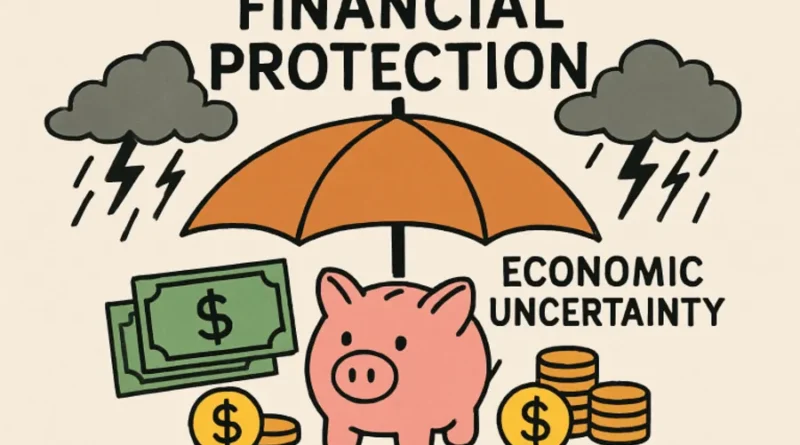
Building Financial Resilience for the Future
Economic uncertainty and unexpected challenges have become defining features of the modern financial landscape. Building financial resilience means cultivating the ability to not just withstand but also to recover from financial setbacks, creating a stable future for yourself and your family. Rather than merely surviving the unpredictable, those who focus on wealth protection are more likely to thrive in the face of adversity.
Financial resilience encompasses a comprehensive array of practices, resources, and strategies to safeguard assets and secure a stable future. Key components include emergency planning, strategic investing, income diversification, and enhancing financial literacy. As the economic landscape shifts, preparedness becomes vital in minimizing vulnerability and enhancing mental peace. Unexpected events like job losses, medical expenses, or global disruptions can happen unexpectedly; thus, having a financial plan is crucial. Early development of financial resilience ensures that unforeseen circumstances do not impede long-term objectives. Moreover, achieving financial resilience is a continual process that necessitates regular reviews and adaptations in response to changing personal circumstances and economic conditions. Committing to ongoing education and making gradual progress can yield significant benefits in navigating future financial challenges.
Understanding Financial Resilience
Financial resilience is your ability to absorb, adapt to, and recover from unpredictable events that strain your finances. This could mean coping with sudden healthcare expenses, facing temporary unemployment, or adjusting to rising living costs. Building resilience involves having the right mix of resources, behaviors, and strategies. Resilient individuals proactively prepare for setbacks and are better equipped to manage adversity without significant long-term financial damage.
The foundation for financial resilience is proactive planning. This includes understanding your risks, identifying potential vulnerabilities, and strengthening your financial safety net before a crisis hits. Even small, consistent actions can significantly improve your ability to weather financial storms.
The Importance of Emergency Savings
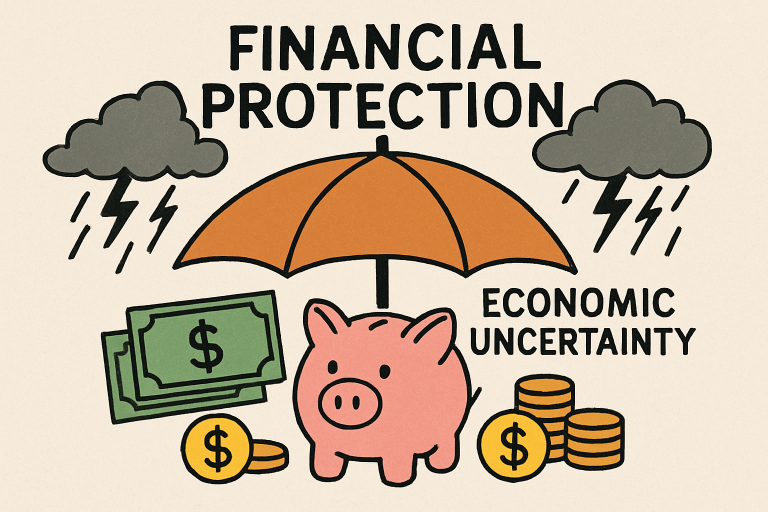
One of the most effective ways to improve financial resilience is to maintain a dedicated emergency savings fund. Major organizations, such as the World Economic Forum, highlight that a large number of people lack adequate emergency savings to cover unplanned expenses. This lack places them at greater risk of accumulating debt or having to sacrifice essential needs during crises.
Financial professionals typically recommend setting aside 3 to 6 months’ worth of basic living expenses. This fund acts as a financial buffer, allowing you to handle temporary setbacks such as car repairs or medical emergencies without resorting to high-interest loans. Committing to automated savings transfers, even in small amounts, can steadily build your emergency fund over time.
Diversifying Income Streams
Relying exclusively on a single source of income can expose you to significant risk, particularly during uncertain periods. Diversifying your income by exploring gig work, forming a side business, or investing in assets like real estate or stocks can improve your overall financial stability. Multiple income sources reduce your dependence on one employer or industry. This, in turn, strengthens your safety net in the event of disruptions.
In addition to providing a backup plan, additional income streams offer opportunities for personal and professional growth. Developing new skills, building new networks, and staying agile in the changing economy are secondary benefits.
Investing in Financial Literacy
Financial literacy is a critical pillar of resilience. Understanding basic concepts like budgeting, making informed investment decisions, and managing debt enables individuals to navigate economic ups and downs more effectively. Financial education can take many forms, from online courses and workshops to reading books or participating in community programs.
Continuous learning prepares you to make wise decisions and to recognize potential threats and opportunities. By enhancing your financial literacy, you develop confidence in your ability to select the best options for your situation and to avoid mistakes that might otherwise set you back.
Leveraging Technology for Financial Management
Digital tools have revolutionized the way people manage and monitor their finances. Budgeting apps, online investment platforms, and automated savings tools allow for real-time tracking of expenses and progress toward financial goals. Technology provides an efficient and user-friendly way to take control of your money.
Many apps can notify you of upcoming bills or provide insights into where you can save more. These features help you maintain discipline and accountability, both of which are essential for building long-term financial resilience. Staying up to date with the latest financial technologies ensures you leverage every available advantage to secure your future.
The Role of in Financial Resilience
Serves as an important safety net and is often an overlooked part of financial planning. Appropriate coverage for health, property, life, and disability can shield you from devastating financial losses. Regularly reevaluating your policies ensures that your protection keeps pace with changes in your life and assets.
Understanding the different types and what they offer is vital. Consult reputable industry resources or speak to a licensed advisor to make informed choices that reflect your current needs. Remaining vigilant about your coverage can mean the difference between a temporary setback and a long-term financial crisis.
Conclusion
Financial resilience stems from strategic and proactive efforts rather than mere luck. It involves continuous practices such as building emergency savings, diversifying income sources, enhancing financial literacy, using technology, and securing appropriate. Individuals who focus on building resilience are better able to navigate economic challenges. To begin, one should evaluate their current financial status and identify areas for improvement. Adhering to these principles can lead to a safer present and a more prosperous, less stressful future.
Visit the rest of the site for more interesting and useful articles.
