
Building Resilience Against Ransomware in the Digital Age
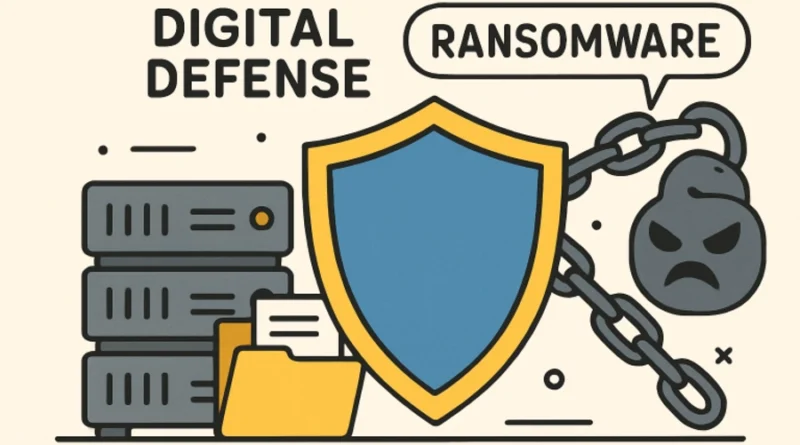
As digital systems become central to business operations, ransomware has become one of the most urgent cybersecurity issues. These attacks can lock vital data and disrupt workflows, leading to consequences that go beyond immediate downtime to financial and operational setbacks. Organizations now face an environment where attackers exploit both technological and human vulnerabilities, making it crucial to implement strategies that anticipate threats and reduce potential impact. Building resilience is no longer optional; it is a fundamental part of digital risk management.
A critical element of this resilience is having reliable, accessible data protection and recovery measures. Solutions like Cohesity enable organizations to maintain secure, centralized copies of essential data, ensuring faster recovery in the event of an attack. By integrating these safeguards with broader cybersecurity practices, organizations can enhance their ability to withstand ransomware incidents, reduce operational disruption, and maintain continuity. Such proactive approaches lay the groundwork for a stronger, more secure digital environment that can respond effectively to evolving threats.
Understanding Ransomware Threats
Ransomware is a type of cyber threat in which attackers encrypt or lock essential data and demand a ransom to release it. The consequences of these attacks often go beyond immediate operational shutdowns. Companies may lose sensitive data, face regulatory penalties, and suffer significant reputational damage. Notably, the 2024 BakerHostetler report indicates that the overall cost of addressing these attacks, including ransom payments and remediation expenses, has reached unprecedented levels.
Attackers are increasingly targeting vulnerabilities in remote working environments, supply chains, and even Internet of Things (IoT) devices. As ransomware-as-a-service models on the dark web become more sophisticated, attackers are lowering barriers to entry and spreading risk across multiple targets. This evolving threat landscape requires continuous reassessment of risk exposure and the development of updated mitigation strategies.
Implementing Robust Cybersecurity Measures
Establishing a strong cybersecurity foundation is vital. This means deploying advanced endpoint detection and response solutions, leveraging artificial intelligence for threat detection, and maintaining meticulous patch management. Segregating networks, enforcing multi-factor authentication, and restricting administrative privileges further minimize risks.
Periodic penetration testing and vulnerability assessments also play a crucial role in surfacing hidden weaknesses. By integrating security into every stage of digital transformation initiatives, organizations can stay ahead of attackers and minimize ransomware entry points.
Employee Training and Awareness
Employees are the first line of defense for an organization, but they can also be its greatest vulnerability. Social engineering attacks, such as phishing emails, remain common ways to deliver ransomware, exploiting human error rather than technical flaws. Ongoing training programs that adapt to evolving attack methods help employees recognize suspicious activity, report threats promptly, and understand their role in protecting the company.
Drills and simulated phishing campaigns assess preparedness, reinforce best practices, and provide valuable insights into areas that need more awareness. Consistent and repeatable employee engagement creates a resilient cultural foundation, transforming awareness into an organization-wide, habitual vigilance.
Maintaining Secure Backups
Backup strategies are vital to any resilience program. Backing up critical data frequently and maintaining copies offline or in immutable storage greatly reduces the leverage ransomware actors can exert. A successful data recovery plan is tested regularly and uses backups stored in environments isolated from daily network operations.
Robust, regularly tested backups are often the single most crucial determinant of survivability, enabling organizations to refuse ransom demands and restore operations swiftly.
Developing Incident Response Plans
Preparation must extend beyond prevention to include a tailored incident response plan. Clearly defined responsibilities and procedures enable teams to act decisively in the face of attack, reducing confusion and delays. Key elements include rapid containment guidelines, communication protocols for internal and external stakeholders, and clear escalation paths for engaging experts and executive leadership.
Tabletop exercises and post-incident reviews feed into continually improved response tactics, ensuring lessons learned translate into more robust defenses and swifter future responses.
Collaborating with Law Enforcement
Involving law enforcement early in an incident empowers organizations to access support, guidance, and investigative resources that are unavailable internally. Groups like the U.S. Ransomware Task Force foster collaboration and share emerging intelligence across sectors, strengthening collective defense. Reporting incidents ensures awareness at the national level and contributes to a broader understanding of attack campaigns and techniques.
These partnerships also provide valuable perspectives in navigating the legal, financial, and reputational implications of ransomware attacks, often accelerating recovery and reducing overall impact.
Investing in Cyber
Cyber provides a financial safety net by covering costs for recovery, remediation, and legal claims following a cyber incident. The terms of these policies have evolved; many insurers are now closely examining organizations’ security measures and may limit or deny coverage for ransom payments. Consequently, the focus is shifting from compensation to risk mitigation and due diligence. When selecting the right policy, it’s essential to understand the specific coverage details, including any exclusions and prerequisites related to proven security practices.
Staying Informed on Emerging Threats
Ransomware attackers continually change their tactics and targets, making it essential to stay informed about the latest threat intelligence, law enforcement guidance, and vendor updates. By subscribing to updates from credible sources like the National Institute of Standards and Technology, organizations can gain real-time insights and receive timely recommendations for adapting their defenses. This proactive approach helps ensure resilience against evolving risks.
Conclusion
Building resilience against ransomware requires a proactive, multi-layered approach that combines technology, processes, and people. Strong cybersecurity measures, secure and tested backups, and well-defined incident response plans reduce the likelihood of successful attacks and minimize operational disruption. Employee awareness, ongoing training, and collaboration with law enforcement further strengthen an organization’s defensive posture. Coupled with cyber insurance and continuous monitoring of emerging threats, these strategies help businesses recover quickly, maintain continuity, and protect critical assets. Ultimately, cultivating a culture of vigilance and preparedness ensures that organizations are not only reactive but resilient in the face of ever-evolving ransomware threats.
Visit the rest of the site for more interesting and useful articles.
