
Common HVAC Problems and How to Prevent Them
HVAC systems play a critical role in maintaining comfortable indoor environments, yet they are often overlooked until a problem arises. Common issues such as inconsistent temperatures, strange noises, poor airflow, or unexpected system shutdowns can disrupt daily life and lead to higher energy bills. Understanding the typical causes of these problems, from clogged filters to worn-out components, is key to keeping your system running efficiently and avoiding costly repairs. Proactive maintenance and awareness of potential issues can help homeowners and facility managers address small concerns before they escalate into major failures.
Routine inspections and preventative measures are essential for extending the lifespan of HVAC systems. Simple steps like cleaning or replacing filters, checking for leaks, and ensuring proper system calibration can significantly reduce the likelihood of breakdowns. When problems do occur, timely heating and cooling repair ensures that systems are restored quickly, minimizing discomfort and maintaining energy efficiency. By staying informed, you can prevent the most common HVAC issues and enjoy reliable performance year-round.
Dirty or Clogged Air Filters
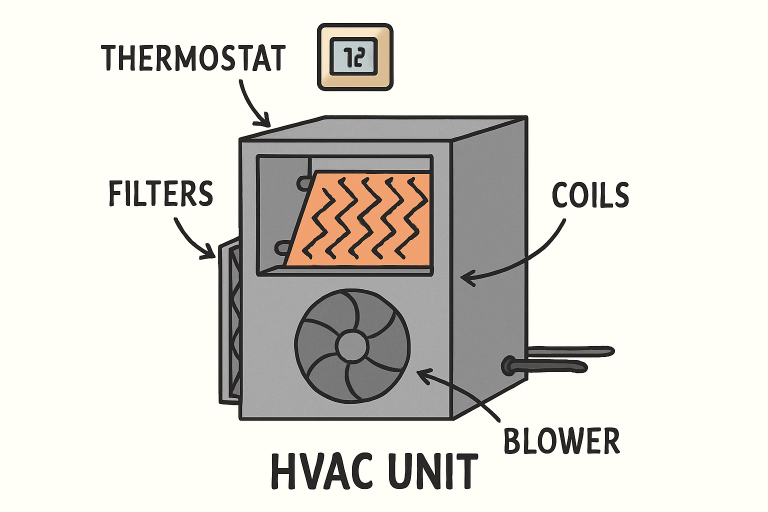
A dirty or clogged air filter is one of the most common reasons for reduced HVAC performance. When filters fill with dust and debris, airflow becomes restricted. This makes your system work harder to maintain target temperatures, leading to higher energy consumption and a greater risk of system overheating. To avoid this, inspect and replace air filters every 1-3 months, adjusting the frequency based on system usage and local air quality. Cleaner filters also contribute to healthier air within your home.
Refrigerant Leaks
Refrigerant ensures your air conditioner or heat pump cools your home effectively. Leaks in the refrigerant system not only reduce cooling capacity but also increase electric bills and can be environmentally harmful. Warning signs include warm air from vents, strange hissing noises, or frost buildup on refrigerant tubing. If you notice these symptoms, do not attempt to fix leaks yourself. Instead, contact a certified technician to pinpoint the leak, repair the source, and restore the refrigerant to the recommended level.
Thermostat Malfunctions
A malfunctioning thermostat is often the cause of inconsistent indoor temperatures. If your HVAC does not turn on, cycles too frequently, or displays inaccurate readings, your thermostat may be to blame. Simple fixes like checking your thermostat settings or replacing the batteries can prevent disruptions. Consider upgrading to a modern, programmable, or smart thermostat for more accurate temperature control and improved energy management, resulting in significant savings over time.
Dirty Coils
Evaporator and condenser coils are critical for transferring heat in and out of your home. Over time, these coils collect dust and debris that insulate their surfaces, slow heat exchange, and cause your system to use more energy. This buildup can ultimately lead to system failures if neglected. To prevent these issues, keep the area around your outdoor units free from leaves and debris, and schedule routine coil inspections and cleaning during annual professional maintenance visits.
Electrical Component Failures
Every HVAC system depends on a network of electrical parts, such as capacitors, relays, and wiring. When these components begin to fail, your system may start short-cycling, repeatedly trip breakers, or fail to start at all. Regular home safety checks can catch signs of worn wires or aging components before they create serious issues. Should you notice any burning odors or strange electrical sounds, disconnect power and call a professional to prevent further damage or hazards.
Clogged Drain Lines
The condensate drain line channels excess moisture removed from indoor air. If this drain clogs, you may experience water leaks, increased humidity, and a higher risk of mold growth near your HVAC system. To prevent this, periodically clean or flush the condensate line and ensure there are no obstructions that block water flow. This is especially important after periods of heavy HVAC use or in humid climates.
Blower Motor and Fan Issues
The blower motor and fan are essential for circulating air throughout your home. Problems with these components can reduce airflow, limit your system’s ability to heat or cool effectively, and produce excessive noise. Preventive care includes checking for loose belts, lubricating moving parts, and promptly replacing worn-out motors to ensure smooth, reliable operation.
Lack of Routine Maintenance
Many HVAC problems can be directly traced to skipped routine maintenance. Seasonal tune-ups enable technicians to catch small issues before they turn into major repairs. Scheduled maintenance improves efficiency, extends equipment life, and helps avoid sudden outages during extreme weather. Many service providers offer maintenance plans that include regular check-ups and emergency service, offering peace of mind to homeowners and landlords alike.
Conclusion
Preventing HVAC problems involves proactive measures and routine maintenance, such as replacing filters, checking refrigerant levels, inspecting electrical components, and cleaning coils and drains. Addressing thermostat and fan issues early can prevent discomfort and expensive repairs. Seasonal tune-ups and inspections help homeowners avoid system failures, maintain comfort, and conserve energy year-round.
Visit the rest of the site for more interesting and useful articles.
