
Creative Ways to Maintain Healthy Trees at Home
Healthy trees create vibrant outdoor spaces and offer numerous ecological benefits, from cleaner air to shaded retreats in the summer months. Homeowners have a vital role in ensuring their landscape trees flourish year-round. Implementing the right combination of care techniques can make a substantial difference in the longevity and vitality of your trees. Early and continuous attention—whether it involves strategic feeding or targeted pruning—will keep your trees thriving for decades. Connecting with local experts at Tampa Bay Tree Service Gulf Coast can also provide region-specific insight for your landscape.
Beyond their beauty, thriving trees foster a healthier environment and bolster your home’s curb appeal. Many households overlook essential practices that prevent slow decline or sudden damage, but creative approaches can help trees resist disease, withstand storms, and adapt to changing climates. Incorporating practical and eco-friendly habits not only maintains tree health but also encourages balanced, sustainable yards for future generations.
Prune with Purpose
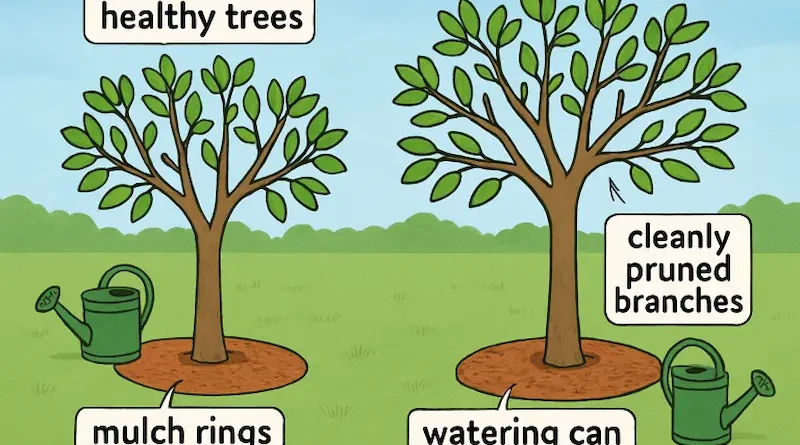
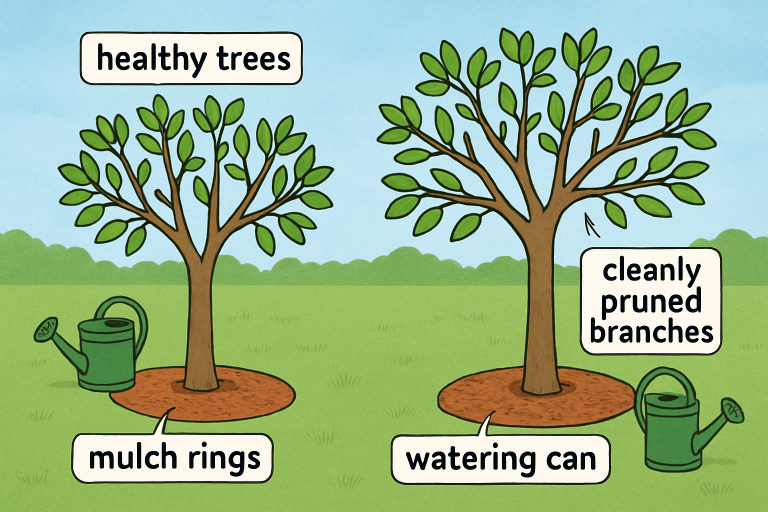
Intentional pruning is fundamental. Removing dead or diseased branches not only prevents health threats but also channels energy into robust new growth. According to The Spruce, pruning in late winter or early spring, when trees are dormant, reduces the risk of shock and disease transmission. Always use disinfected, sharp tools and follow the branch collar rule by cutting just beyond the swollen base of a branch to encourage quick, healthy healing. Strategic shaping can also prevent limbs from interfering with property or power lines.
Mulch Mindfully
Mulching does more than beautify your garden beds. A 2- to 4-inch layer of organic mulch—such as wood chips or shredded bark—preserves soil moisture, stabilizes the temperature, and discourages weed growth. Be sure to keep the mulch ring several inches from the tree trunk to avoid moisture buildup and rot.
Water Wisely
Young trees require deep, infrequent watering while their roots are establishing. Drip irrigation or slow-soaking methods wet the soil profile deeply, training roots to dive deeper, making trees more drought-hardy. For established trees, less frequent deep irrigation is preferred, especially during dry periods. Watch for soil moisture before watering, as excessive moisture can create an environment conducive to root rot and fungal infections.
Implement Eco-Friendly Pest Management
Relying on harsh chemical pesticides can harm pollinators and beneficial insects, disrupting your garden’s ecosystem. Instead, natural solutions like neem oil interrupt pest life cycles and repel common invaders without collateral damage. For soil-dwelling pests, beneficial nematodes—tiny, natural predators—keep larvae populations in check. Integrated pest management, focused on prevention and gentle interventions, protects both trees and the wider garden habitat. The EPA’s Integrated Pest Management Principles offer guidance on sustainable pest strategies for homeowners.
Monitor Tree Health Regularly
Routine check-ups are a simple but powerful prevention tool. Signs such as wilted leaves, unusual growths, dark patches, or rapid thinning can indicate disease, pest infestation, or environmental stress. Early detection enables minor corrections before a severe decline occurs. Advances in mobile sensing technology now enable more accurate assessment of stress and disease, especially in urban environments.
Protect Roots and Soil
Tree roots need access to air and water, and compacted soils restrict both. Prevent soil compaction by keeping heavy equipment and repeated foot traffic away from the tree’s drip line—the ground area beneath the canopy. Extending the mulch ring can help shield delicate surface roots, enhance organic matter, and simulate the forest floor ecosystem that most trees prefer.
Plan for Growth and Storm Preparedness
When planting new trees, always account for the mature size and spread listed on the plant’s nursery tag. Planting too close to buildings or power lines leads to costly and sometimes hazardous interventions later. As storms approach, inspect for split branches or weak crotches; properly braced or pruned trees stand a better chance against high winds and heavy rain. Regular, preventative maintenance reduces clean-up costs and prolongs tree life in hurricane or storm-prone areas.
By cultivating sustainable habits, such as strategic pruning, mindful soil care, and eco-friendly pest management, you can significantly enhance the health and longevity of your home’s trees. Healthy, well-maintained trees not only enrich your landscape but also serve as lasting assets to your neighborhood and the environment as a whole.
