
How DIA Pricing Shapes Modern Business Connectivity
Robust and reliable internet connectivity is the foundation of operational success for modern businesses. As organizations increasingly rely on cloud services, digital collaboration, and real-time communication, understanding both the advantages and costs of Dedicated Internet Access (DIA) is essential. As more companies seek DIA internet solutions, the role of DIA pricing in defining IT strategy and scalability is more prominent than ever.
Securing direct internet connections enhances speed and stability, enabling advanced business functions such as video conferencing and cloud migrations. However, the investment in Direct Internet Access (DIA) services influences network design, budgets, and growth opportunities. Businesses must understand DIA pricing variables to balance premium connectivity with overall technology investments. As industries undergo digital transformation, managing costs and internet partnerships becomes critical, particularly in competitive urban and global markets. Awareness of global trends for improved network performance and digital equity is essential for businesses evaluating connectivity options.
Understanding Dedicated Internet Access (DIA)
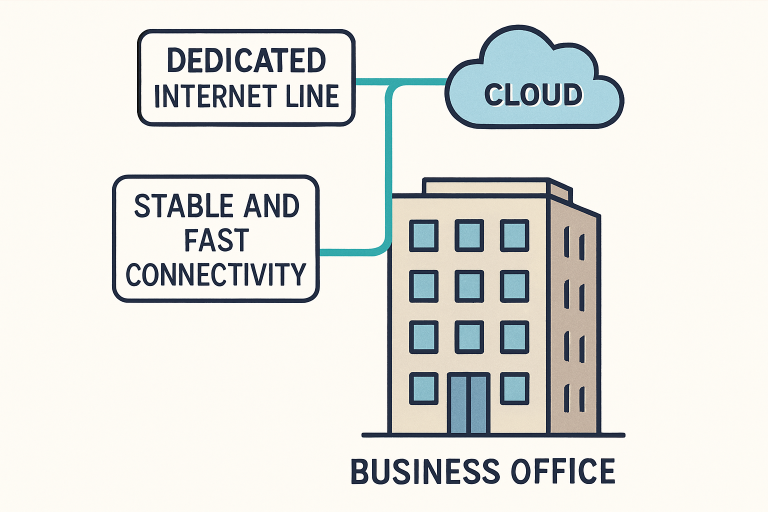
Dedicated Internet Access (DIA) stands apart from standard broadband by delivering a private, non-shared connection straight to an organization’s premises. This means consistent performance, with symmetrical upload and download speeds vital for businesses engaged in telecommuting, cloud computing, and large-scale data handling. DIA offers enhanced security, lower latency, and robust support, features essential for enterprises requiring continuous connectivity and strong quality-of-service assurances.
Factors Influencing DIA Pricing
Geographic Location
Urban businesses typically benefit from lower DIA costs, driven by existing infrastructure and competition among providers. In rural or less-networked regions, installation and maintenance expenses drive prices higher, reflecting the logistical challenges of extending high-capacity connections to remote sites.
Bandwidth Requirements
Bandwidth tiers play a central role in setting DIA prices. Higher usage demands from large file transfers to continuous operation of SaaS applications necessitate more robust, reliable connections, which in turn increase costs proportionally.
Service Level Agreements (SLAs)
Organizations that prioritize uptime and rapid fault response often pay a premium for advanced SLAs. These agreements offer guarantees for availability, performance benchmarks, and troubleshooting, giving peace of mind for mission-critical activities.
Comparing DIA with Other Connectivity Options
Business Broadband
While budget-friendly, broadband options come with the risk of fluctuating speeds and potentially overcrowded connections, making them suitable for smaller businesses or less critical operations.
MPLS Network Solutions
MPLS (Multi-Protocol Label Switching) has traditionally secured private enterprise data, but often sits in a much higher price tier. Recent data from Q4 2022 shows that 10 Mbps DIA offerings in major cities are, on average, 34% less expensive than equivalent MPLS ports, demonstrating the growing economic case for DIA in both domestic and international markets.
Impact of DIA Pricing on Business Decisions
- Budget Allocation: Managing the expense of DIA involves careful consideration of its value relative to other IT and operational budgets.
- Scalability: Cost-efficient DIA options make scaling up easier, ensuring businesses can expand their service reach without compromising performance.
- Competitive Edge: Fast and reliable internet bolsters both customer-facing functions and backend operations, directly impacting company reputation and efficiency.
Technological Advancements Affecting DIA Pricing
Emerging technologies are influencing how DIA services are priced and consumed:
- AI Integration: As artificial intelligence automates workstreams in business communication, there is a gradual shift toward bundled, outcome-based pricing, reducing reliance on traditional per-seat or per-message charges.
- 5G Rollout: The arrival of 5G technology is revolutionizing network efficiency and speed, expected to further drive down DIA costs by optimizing infrastructure and supporting new market entrants.
Strategies for Managing DIA Costs
- Assess Bandwidth Needs: Conduct periodic evaluations to accurately align service levels with organizational demand, avoiding costly over-provisioning.
- Negotiate with Providers: Providers often have flexibility in contract terms. Proactive negotiation can yield advantageous rates and custom packages.
- Bundled Solutions: Consider multiproduct agreements that bundle internet, VoIP, and security, which often include volume-based discounts and operational synergies.
Future Outlook on DIA Pricing
The DIA pricing landscape continues to evolve in response to rapid advances in connectivity technology, shifting business priorities, and intensified competition. As service providers innovate and more companies pursue digital transformation, expect to see more dynamic pricing and customizable packages. Staying attuned to market developments ensures corporate network investments remain both cost-effective and ready for future growth.
Conclusion
Awareness of the intricate determinants behind DIA pricing equips businesses with the tools to make strategically sound choices about their internet connectivity. Prioritizing bandwidth reliability and futureproofing the network delivers substantial value across every facet of operations. In a climate where business agility and efficiency are critical, informed connectivity decisions set the stage for ongoing success and resilience in the digital era.
Visit the rest of the site for more interesting and useful articles.
