
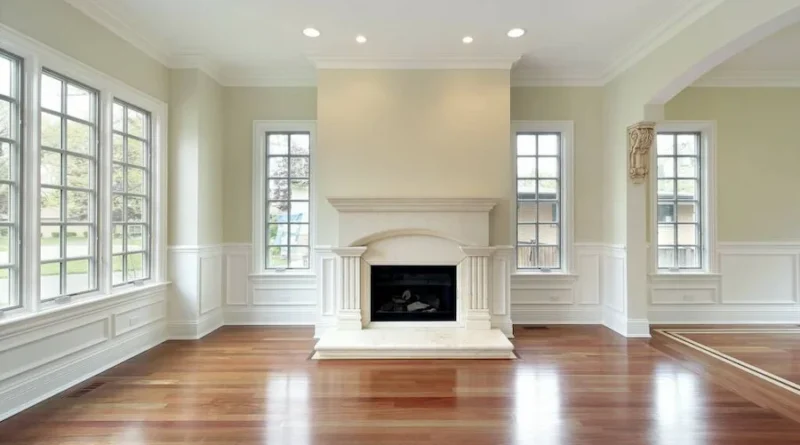
How to Bring Dull Wood Back to Life: Floors, Staircases, and More
Wood is one of the few materials in a home that can age beautifully—yet still lose its shine over time. Daily use, sunlight, moisture, and simple wear gradually strip away the glow that once made floors and staircases feel warm and inviting. The good news is this: dull wooden surfaces can almost always be revived without needing replacement.
Restoring wood is a blend of technique, precision, and understanding the material itself. When done correctly, it can completely transform a tired interior into a refreshed, natural-looking space.
Why Wood Loses Its Shine
Even the highest-quality timber reacts to changes in the environment. Finish layers break down, fibres flatten, and surface scratches accumulate. Once the protective coating reaches the end of its life, the wood underneath begins to appear tired.
For homeowners, dullness is usually the first visible sign. It doesn’t mean the wood is damaged—it simply means the wood is ready to breathe again through restoration.
A Fresh Start Through Professional Cleaning and Preparation
Before any major restoration method begins, the surface must be thoroughly cleaned. Dust, oils, and old product residue can hide the true condition of the wood. Once cleaned, a technician can assess what approach will produce the best outcome: polishing, sanding, refinishing, gap filling, or a combination of techniques.
This early evaluation prevents unnecessary work and ensures the restoration plan truly matches the wood’s condition.
Polishing: The Fastest Way to Revive Tired Wood
Polishing is ideal for surfaces that look dull but still retain structural integrity. It revives lost sheen, enhances colour depth, and leaves a smooth, even texture. Professional polishing compounds remove fine scratches and refresh the protective layer, giving the surface a renewed glow without removing material. The process involves applying specialized compounds that buff out surface imperfections, restoring the wood’s original lustre and enhancing its natural beauty. Unlike sanding, which removes layers of wood, polishing focuses on restoring the finish, making it a quicker and less invasive solution for revitalizing wooden surfaces.
Polishing is often the most efficient option for floors in living rooms, bedrooms, and hallways where daily wear is noticeable but not severe. These areas experience consistent foot traffic but are generally not subjected to deep scratches or moisture damage. Polishing works particularly well in spaces where a simple touch-up is all that’s needed to restore the warmth and elegance of the wood, making the floors look refreshed without the need for extensive restoration.
For homes with high-traffic areas, regular polishing can also help maintain the wood’s integrity over time. It acts as a protective shield, preventing dirt and grime from embedding in the wood and prolonging the life of the floor. In addition, polished wood surfaces are easier to clean and maintain, which helps preserve the aesthetic appeal of your home without frequent deep refinishing. While polishing is not a replacement for sanding in more severely damaged areas, it’s a highly effective preventive measure to keep your wood surfaces looking vibrant and cared for for years to come.
Staircases Require a More Tailored Approach
Unlike open floor areas, staircases wear down unevenly. Each tread experiences different levels of pressure, and edges often lose finish faster than central surfaces.
This is where professional Staircase sanders become essential. A staircase cannot be restored using the same equipment used for wide floors—precision tools and careful hand-work ensure every step is resurfaced evenly, safely, and without scarring the wood.
A beautifully restored staircase immediately elevates the aesthetic of the entire home.
When Sanding Is the Only Way to Bring Wood Back to Life
If scratches are deep, colour is uneven, or moisture marks have penetrated the surface, sanding becomes the most effective method. Sanding removes the damaged outer layer and reveals fresh, untouched timber beneath it.
Once the raw wood is exposed, new finishes, stains, and protective coatings can be applied—making the surface look new again.
You may need sanding when:
-
the finish has peeled or cracked
-
scratches can be felt with your fingertips
-
the wood is greyed or discoloured
-
previous DIY coatings look uneven
-
water marks or stains do not lift
Sanding is the most transformative step in wood restoration, but also the one that requires the most experience.
Choosing the Right Finish to Protect the New Surface
Once restored, the wood needs a protective layer to maintain its appearance. Oils enhance natural grain and warmth. Lacquers provide strong durability, ideal for busy households. Hard-wax oils balance natural look and resilience.
The finish should match the space:
-
Homes with pets or heavy traffic may need a tougher coating.
-
Smaller or darker rooms often benefit from lighter stains.
-
Traditional interiors may suit warm, natural tones.
The right finish not only protects but also visually enhances the restored surface.
How Ongoing Maintenance Preserves Restored Wood
Restoring wood brings it back to life, but proper maintenance is what keeps it looking its best for years to come. Many wooden floors and staircases lose their renewed appearance prematurely not because of poor restoration, but due to incorrect aftercare. Simple habits such as dry sweeping instead of wet mopping, using wood-safe cleaning products, and placing protective pads under furniture significantly reduce surface wear.
Environmental factors also matter. Excess moisture, extreme temperature changes, and prolonged direct sunlight can all shorten the lifespan of a finish. Maintaining stable indoor humidity and using entrance mats in high-traffic areas help protect restored surfaces from unnecessary stress. When cared for correctly, professionally restored wood does not just look better—it ages more gracefully, retaining its warmth, depth, and character over time.
Why Professional Restoration Makes the Biggest Difference
Restoring wood is more than a technical task—it requires a deep understanding of how timber responds to sanding pressure, temperature shifts, and finishing products. Professionals evaluate the wood’s age, structure, and grain patterns before deciding on the best approach.
Expert guidance ensures the restoration is smooth, safe, and long-lasting. Homeowners often find that professional work outperforms DIY attempts not only in appearance but in durability and overall value.
Bringing Your Wood Back to Life Is Always Possible
Floors and staircases that look dull or worn are rarely beyond saving. With the right restoration techniques—polishing for quick renewal, sanding for deeper transformation, and refinishing for lasting protection—wood can be revived to a state that feels fresh, elegant, and full of character.
Revitalised wood brings warmth back into the home and restores the natural beauty that only real timber can offer.
Visit the rest of the site for more interesting and useful articles.
