
How Your Feet Affect Your Whole Body Health
The Foundation of Body Health
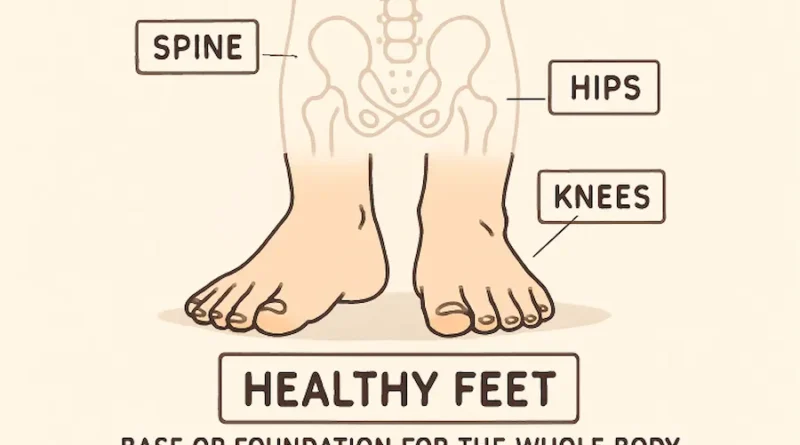
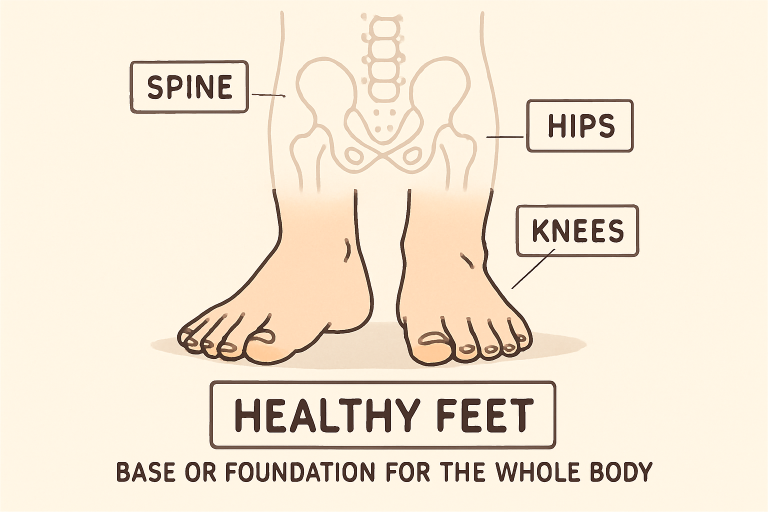
Your feet are the unsung heroes of your body, supporting your weight and facilitating every step you take. With each movement, your feet absorb impact and help distribute forces through your ankles, knees, hips, and spine. If your feet are misaligned or not functioning correctly, this can disrupt your posture and compromise your overall balance—and those minor problems can cascade into chronic aches or even serious mobility issues. To prevent such scenarios, it’s crucial to invest in expert care from Custom footcare Ottawa experts who can assess your unique needs and recommend customized solutions for lasting wellness.
Over time, even seemingly minor issues, such as corns, bunions, or flat arches, can start to limit your activity level, trigger a chain of discomfort, or exacerbate joint pain. Regular attention to foot health can dramatically improve your quality of life, allowing you to maintain independence, activity, and overall functionality—especially as you age.
Foot structure determines how force travels through your body when walking or running. A well-supported foot helps maintain proper alignment through the knees, hips, and lower back. Without this, compensatory movements can irritate soft tissues and joints higher up, making regular, supportive interventions essential.
Aside from posture and comfort, optimal foot health is linked to balance and fall prevention.
Foot Health as an Indicator of Systemic Conditions
Examining your feet can often reveal early warning signs of systemic health problems. Symptoms like persistent numbness or tingling are commonly associated with neuropathy caused by diabetes or vitamin deficiencies. Cold feet, meanwhile, can signal circulatory issues or thyroid dysfunction, while changes in skin color or swelling might point to heart, kidney, or liver challenges.
Severe conditions such as peripheral artery disease, rheumatoid arthritis, and gout routinely present initial symptoms in the feet. For instance, persistent foot swelling is often one of the first signs of congestive heart failure. Early recognition can prompt further investigation, enabling quicker, more effective health interventions and lowering your risk of long-term complications.
The Effect of Footwear on Overall Health
Footwear choices profoundly impact your feet—and thus your overall health. Shoes that are too tight, narrow, or unsupported can contribute to bunions, hammertoes, plantar fasciitis, and other painful conditions. High heels, for example, place undue pressure on your forefoot, while flip-flops provide little to no arch support and can lead to problems like plantar fasciitis.
Prioritizing shoes that offer a wide toe box, ample cushioning, and arch support helps protect foot health and reduce strain on your joints. For people who spend many hours on their feet or suffer from chronic foot pain, custom orthotics fitted by experienced professionals can be life-changing.
Exercise and Foot Health
Physical activity is beneficial not only for your heart and lungs but also for your feet. Routine exercise, particularly weight-bearing activities like walking or hiking, supports circulation and strengthens foot muscles. This, in turn, increases your endurance, flexibility, and balance. Specific foot-targeted exercises such as toe stretches, ankle rotations, and resistance-band routines can further boost strength and stability. For detailed guidance and examples of practical foot exercises, check out this Healthline guide on foot exercises.
Incorporating stretching and strengthening exercises can also address imbalances that contribute to injuries or pain. As little as five minutes of dedicated foot exercises a day can go a long way toward preventing issues and supporting lifelong mobility.
Nutrition’s Role in Foot Health
Nutrition plays a direct role in building and maintaining strong bones, joints, and tissues in your feet. Consuming a balanced diet rich in calcium, vitamin D, and magnesium, and in anti-inflammatory foods such as nuts, oily fish, and leafy greens, helps reduce inflammation and supports optimal bone density. Inadequate nutrition can manifest as brittle nails, dry skin, and increased vulnerability to fractures or infections.
Equally important is proper foot hygiene. According to the CDC, keeping your feet clean and dry, regularly inspecting for cuts or infections, and practicing safe nail care are essential habits for preventing common foot problems. Integrating hygiene practices with nutrition helps keep your feet healthy, both internally and externally.
Hydration also matters: drinking enough water supports circulation and flexibility in the narrow blood vessels and tendons of the feet. Adjusting your diet to your activity level and age is a simple way to support the health of your feet and the rest of your body.
Aging and Its Effects on Foot Health
The aging process brings many natural changes to your feet, such as widening, the flattening of arches, and the thinning of the heel’s fat pad. Decreased skin elasticity and sensitivity further increase the risk of blisters and injury. Such changes can alter your gait, compromise stability, and elevate your risk of falls and fractures. Responsive care—including regular foot checks, wearing appropriate shoes, and engaging in mobility exercises—helps offset age-related decline. If you notice persistent pain, swelling, or changes in the shape of your feet, consult a qualified foot care specialist for tailored advice.
Preventive Foot Care Practices
Preventing foot issues is far more effective than treating them later. Regular self-exams can catch minor problems—like calluses, ingrown nails, or fungal infections—before they escalate. Keeping feet clean and dry reduces the risk of infections, while moisturizing prevents dry, cracked skin. Trimming nails straight across and wearing well-fitting, supportive shoes completes a well-rounded approach to foot care. Finally, any changes—whether in sensation, color, or shape—warrant professional assessment, as they may be early indicators of more serious health issues.
Conclusion
Your feet are integral to your overall health, serving both as indicators of systemic conditions and as the foundation for posture, mobility, and balance. Thoughtful daily care, nutritious eating, regular exercise, and the proper footwear protect not only your feet but also enhance your entire well-being. Early intervention and professional guidance are key to maintaining an active, healthy, and pain-free life throughout your life.
Visit the rest of the site for more interesting and useful articles.
