
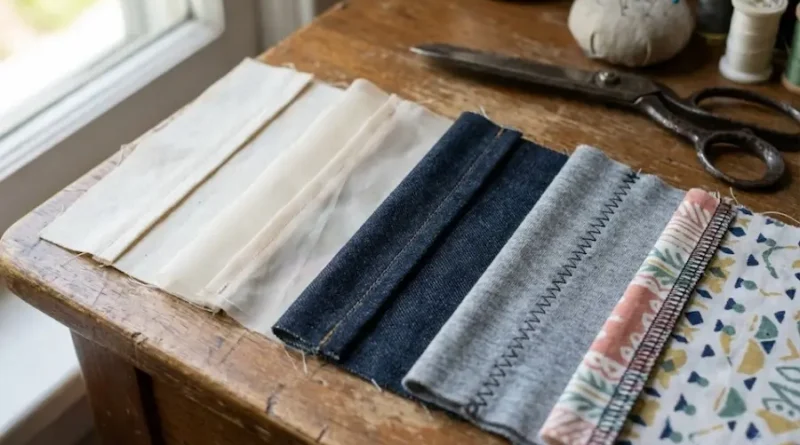
Nahttypen: The Easy Beginner’s Guide to Seam Types in Sewing
What Are Nahttypen?
Have you ever looked at your favorite jeans and wondered how they stay so strong? Or maybe you tried sewing a dress, but the fabric kept falling apart? The secret is in the seams. And that brings us to
Nahttypen is a German word. It means “types of seams” in English. A seam is the line where two pieces of fabric join together. Simple, right?
But here is the thing. Not all seams are the same. Some are strong. Some are stretchy. Some look pretty. Some hide messy edges. Each seam type has a special job.
Think of it like choosing the right tool for a job. You would not use a hammer to cut wood, right? The same goes for seams. The right seam makes your project look professional. The wrong seam can ruin everything.
This article shows you:
- All the important nahttypen (seam types) you need to know
- When to use each seam
- Which fabric works best with which seam
- Common mistakes and how to fix them
- Pro tips for perfect seams every time
Why Do Nahttypen Matter?
Before we look at the different types, let us understand why seams are so important.
Strength and Durability
A good seam keeps your clothes from falling apart. Imagine your jeans splitting open when you sit down. Embarrassing, right? Strong seams prevent this.
Clean and Professional Look
Have you seen clothes with messy, uneven stitches? They look cheap. The right seam gives your work a clean, store-bought finish.
Comfort
Some seams are flat and smooth. Others are bulky and scratchy. For baby clothes or underwear, comfort matters a lot. The right seam keeps fabric soft against the skin.
Flexibility
Stretchy fabrics need stretchy seams. If you use a stiff seam on stretchy fabric, it will pop open when you move. That is why choosing the right nahttypen is so important.
The Most Important Nahttypen You Need to Know
Now let us look at each seam type. We will cover what it is, how it works, and when to use it.
1. Plain Seam (The Basic One)
This is the most common seam in sewing. It is simple, quick, and works for most projects.
How it works:
You place two pieces of fabric with the “right sides” (the pretty sides) facing each other. Then you sew a straight line along the edge. When you flip the fabric, the seam hides inside.
Best for:
- Cotton fabrics
- Simple dresses and skirts
- Pillowcases and home items
- Quick sewing projects
Not good for:
- Fabrics that fray easily
- Stretchy materials
- Heavy-duty items
Pro Tip: Always finish the raw edges with a zigzag stitch or serger. This stops the fabric from fraying over time.
2. French Seam (The Elegant One)
This seam looks beautiful on both sides of the fabric. It hides all the raw edges inside the seam. That is why it is called “French.” It is fancy and clean.
How it works:
First, you sew with the wrong sides together (the opposite of a plain seam). Then you trim the edge, fold the fabric, and sew again. This traps all the messy edges inside.
Best for:
- Thin, see-through fabrics like chiffon and silk
- Blouses and lightweight dresses
- Unlined jackets (where the inside shows)
- Baby clothes
Not good for:
- Thick or bulky fabrics (becomes too thick)
- Curved seams (hard to do)
- Denim or heavy materials
Pro Tip: Keep your first seam very narrow (about 1/4 inch). This makes the final seam neat and not bulky.
3. Flat-Felled Seam (The Strong One)
Look at your jeans. See those double lines of stitching on the sides? That is a flat-felled seam. It is super strong and lays completely flat.
How it works:
You sew a plain seam first. Then you trim one side of the seam allowance. You fold the longer side over the shorter one and stitch it down. You get two rows of stitching that lock everything in place.
Best for:
- Jeans and denim
- Work clothes that get heavy use
- Outdoor gear and sportswear
- Men’s shirts
Not good for:
- Delicate fabrics
- Curved seams
- Projects where you need a soft finish
Pro Tip: Use a longer stitch length for the topstitching. It looks more professional and is easier to sew straight.
4. Zigzag Seam (The Stretchy One)
This seam stretches with your fabric. The stitches go left, right, left, right in a zigzag pattern. That is how it gets its name.
How it works:
You set your sewing machine to zigzag mode. The needle moves side to side while sewing. This creates flexible stitches that can stretch without breaking.
Best for:
- Stretchy fabrics like jersey and knits
- T-shirts and leggings
- Swimwear
- Finishing raw edges to stop fraying
Not good for:
- Woven fabrics that do not stretch
- Formal wear where you want clean lines
Pro Tip: Test your zigzag on a scrap piece first. Adjust the width and length until the fabric stretches smoothly without puckering.
5. Overlock Seam (The Professional One)
This is the seam you see inside store-bought clothes. It sews, trims, and finishes the edge all at once. It looks very neat and professional.
How it works:
You need a special machine called a serger or overlocker. This machine uses multiple threads to wrap around the fabric edge. It cuts the extra fabric and sews at the same time.
Best for:
- All types of garments
- Stretchy and knit fabrics
- Professional-looking finishes
- Fabrics that fray a lot
Good to know:
Do not worry if you do not have a serger. Many regular sewing machines have an “overlock stitch” setting that gives similar results.
Pro Tip: If using a regular machine, try the mock overlock stitch. It is not as fast as a serger but gives a clean finish.
6. Bound Seam (The Decorative One)
This seam wraps a strip of fabric (called binding or bias tape) around the raw edges. It looks pretty and protects the edges at the same time.
How it works:
You sew a plain seam first. Then you take a strip of bias tape or fabric and fold it over the raw edges. You stitch it down to cover everything.
Best for:
- Unlined jackets and coats
- Quilts and blankets
- Bags and aprons
- Adding a pop of color to your project
Pro Tip: Use a contrasting color for the binding. It turns a simple seam into a design feature.
7. Lapped Seam (The Overlap One)
In this seam, one piece of fabric overlaps the other. You can see the stitching from the outside. It is simple and works well for fabrics that do not fray.
Best for:
- Leather and faux leather
- Felt
- Vinyl
- Yoke seams on shirts
Quick Comparison: Which Nahttypen Should You Use?
Here is a simple table to help you choose the right seam:
|
Seam Type |
Strength | Best Fabric | Difficulty |
Stretchy? |
| Plain Seam | Medium | Cotton, Linen | Easy | No |
| French Seam | Medium | Silk, Chiffon | Medium | No |
| Flat-Felled | Very High | Denim, Canvas | Medium | No |
| Zigzag | Medium | Jersey, Knits | Easy | Yes |
| Overlock | High | All Fabrics | Easy | Yes |
| Bound Seam | Medium | Medium Weight | Medium | No |
Fabric + Seam Matching Guide
Not sure which seam to use for your fabric? Here is a simple guide:
For Thin, Delicate Fabrics (Silk, Chiffon, Organza)
Use: French seam or narrow plain seam. These fabrics are see-through. You do not want ugly raw edges showing.
For Medium Weight Fabrics (Cotton, Linen, Poplin)
Use: Plain seam with zigzag finish, or overlock seam. These are easy to work with and give good results.
For Heavy Fabrics (Denim, Canvas, Wool)
Use: Flat-felled seam or plain seam with serged edges. You need strength, not fancy finishes.
For Stretchy Fabrics (Jersey, Knits, Spandex)
Use: Zigzag seam or overlock seam. Never use a straight stitch alone. It will break when the fabric stretches.
Common Nahttypen Mistakes (And How to Fix Them)
Even experts make mistakes. Here are the most common ones and how to avoid them:
-
Forgetting to Backstitch
The problem: Your seam comes undone. The fix: Always sew a few stitches backward at the start and end of every seam. This locks the thread in place.
-
Using the Wrong Seam for Stretchy Fabric
The problem: The seam pops open when you move. The fix: Use a zigzag stitch or stretch stitch. Never use a plain straight stitch on knits.
-
Not Pressing Seams
The problem: Seams look bumpy and unprofessional. The fix: Press every seam with an iron before moving to the next step. Press means lift and put down. Do not slide the iron.
-
Skipping the Test Swatch
The problem: The seam looks wrong on your actual project. The fix: Always test your seam on a scrap piece of the same fabric first. Check the tension, stitch length, and how it looks.
-
Not Finishing Raw Edges
The problem: Fabric frays and falls apart after washing. The fix: Finish all raw edges with a zigzag stitch, serger, or pinking shears.
-
Pulling or Pushing Fabric While Sewing
The problem: Wavy, uneven seams. The fix: Let the machine do the work. Just guide the fabric gently. The feed dogs will move it for you.
-
Using a Dull or Wrong Needle
The problem: Skipped stitches, broken threads, or holes in fabric. The fix: Change your needle often. Use ballpoint needles for knits and sharp needles for woven fabrics.
Quick Troubleshooting Guide
|
Problem |
Likely Cause |
Solution |
| Seam puckers | Tension too tight | Lower thread tension |
| Stitches skip | Wrong needle type | Use correct needle for fabric |
| Seam breaks | Wrong stitch for stretch | Use zigzag or stretch stitch |
| Fabric bunches up | Pushing fabric too fast | Let feed dogs move fabric |
| Thread keeps breaking | Old or cheap thread | Use quality polyester thread |
| Wavy seam lines | Sewing too fast | Slow down, use guides |
10 Pro Tips for Perfect Seams Every Time
- Pin generously. Use lots of pins, especially on curves and slippery fabrics. Pins keep everything in place.
- Press as you go. Iron every seam before moving to the next step. This makes a huge difference in how your project looks.
- Use the right needle. Ballpoint for knits. Sharp for woven fabrics. Denim needle for thick materials. Change needles every project.
- Test on scraps first. Never start sewing on your actual project. Test the stitch, tension, and seam on a scrap piece.
- Measure your seam allowance. Use the guides on your machine or mark the fabric. Consistent seam allowance gives professional results.
- Clip curves. For curved seams, cut small notches in the seam allowance. This helps the fabric lay flat without bunching.
- Grade thick seams. When multiple layers meet, trim each layer to a different width. This reduces bulk.
- Sew slowly. Speed is not your friend, especially as a beginner. Take your time for cleaner results.
- Keep your machine clean. Lint and dust build up fast. Clean the bobbin area regularly for smooth sewing.
- Invest in good thread. Cheap thread breaks easily and leaves fuzz in your machine. Use quality polyester thread for best results.
FAQs
What is the easiest nahttypen for beginners?
The plain seam is the easiest. It is simple, quick, and works for most basic projects. Start with this one and learn others as you grow.
Which seam is best for stretchy fabric?
Use a zigzag seam or overlock seam. These stretch with the fabric and will not break when you move.
How do I stop my fabric from fraying?
Finish your raw edges. You can use a zigzag stitch, serger, pinking shears, or bias tape. French seams also hide raw edges completely.
Do I need a serger machine?
No, a serger is nice but not required. Most sewing machines have an overlock stitch that works well. A zigzag stitch also works for finishing edges.
Why are my seams wavy?
This usually happens when you push or pull the fabric. Let the machine feed the fabric naturally. Also check your presser foot pressure and thread tension.
What seam is used in jeans?
Jeans use flat-felled seams. That is why they are so strong and have those double lines of stitching on the sides.
Can I use different seams in one project?
Yes! Many projects use multiple seam types. For example, a shirt might have flat-felled seams on the sides and French seams on the sleeves.
Conclusion
Learning about nahttypen might seem confusing at first. But once you understand the basics, it becomes second nature.
Remember these key points:
- Match your seam to your fabric type
- Use stretchy seams for stretchy fabrics
- Always finish raw edges
- Press your seams for a professional look
- Practice on scraps before starting your project
The more you practice, the better you will get. Every seam you sew teaches you something new. So do not be afraid to make mistakes. That is how you learn.
Now you know the most important nahttypen. You know when to use each one. You know the common mistakes and how to fix them. You are ready to create beautiful, strong seams in all your sewing projects.
Happy sewing!
Visit the rest of the site for more interesting and useful articles.
