
Residential Renting Trends in Urban Areas
Urban rental markets across the U.S. are experiencing rapid shifts, reshaping how people live, move, and invest in cities. These changes are being driven by a combination of economic conditions, changing demographics, and evolving lifestyle needs. Navigating this landscape requires insight, whether you’re a renter searching for value or a property owner seeking to optimize returns. For those specifically interested in one of the nation’s most dynamic cities, New York City NY real estate experts Mirador Real Estate offer a valuable local perspective for navigating these market complexities.
As high home prices and economic uncertainty drive more people toward renting, urban and suburban communities alike are seeing new trends emerge. Renters today are more inclined to stay in one place longer—especially in overheated real estate markets where buying is out of reach for many. In addition, suburbs, once dominated by homeowners, are witnessing a major influx of renters, reflecting changing ideals about location, affordability, and quality of life. Understanding these patterns can help renters, investors, and policymakers make strategic decisions in an evolving housing market.
Extended Tenure in Urban Rentals
The high, and often prohibitive, cost of urban homeownership is causing many renters to remain in their apartments or rental homes for much longer. In cities like Portland, nearly 14% of renters now stay in the same house for a decade or more, up from 9% a decade ago. This trend mirrors national patterns, with renters across major metropolitan areas becoming less transient. Strong demand, coupled with limited affordable housing options, means these renters often pay higher prices for smaller spaces, yet see little incentive to move because the prohibitive cost of buying a first home makes it difficult to afford. Notably, an increasing number of existing homeowners are choosing to stay put, further limiting inventory and turnover in these competitive markets.
This newfound stability in urban rentals has implications for community development, school districts, and local businesses. Resident loyalty can drive more investment in neighborhood infrastructure and foster a sense of belonging. Still, it may also indicate a lack of upward mobility for many tenants locked out of ownership.
Suburban Shift: Renters Outnumbering Owners
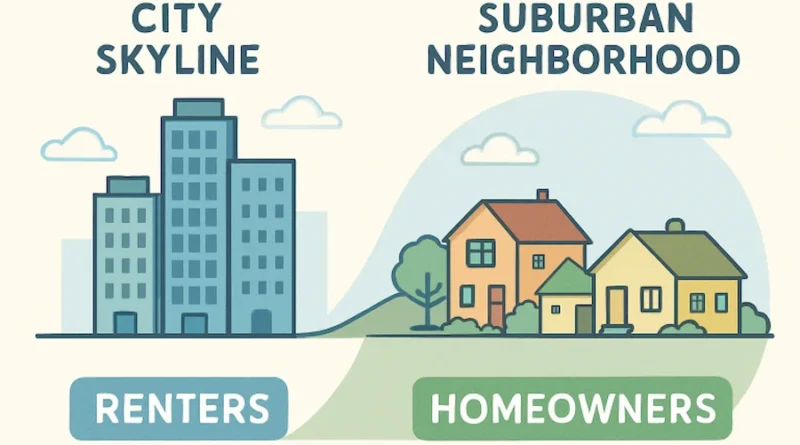
The suburban landscape is undergoing a quiet revolution. Historically a bastion of homeownership, a rising number of suburbs are now home to more renters than owners. In fact, according to a recent Point2Homes analysis, the number of U.S. suburbs where renters constitute a majority increased from 203 in 2018 to 203 in 2023. Factors influencing this surge include the migration of urban dwellers in search of lower rents and more space, as well as younger generations postponing or forgoing home buying due to persistent affordability issues. This transition is not only redrawing the boundaries between urban and suburban living but also prompting communities to reconsider local policies—from school funding to long-term infrastructure needs.
Cooling Rental Markets and Declining Rents
While demand remains robust in some urban centers, others are experiencing a slowdown, with rent prices cooling or even declining. This nuanced trend is particularly visible in Florida. Jacksonville’s median asking rent recently dropped by more than 12% year over year, signaling a significant shift from record highs. Declines in Tampa, Orlando, and Miami mirror the trend. A confluence of factors is at play, including new apartment construction, changing migration patterns, and the economic realities of remote work that allow tenants greater geographical flexibility.
Adaptive Reuse: Converting Spaces into Apartments
With chronic shortages of affordable rentals, many cities have turned to adaptive reuse—the repurposing of underused office buildings, hotels, and other commercial spaces into residential apartments. In 2025 alone, the U.S. saw a record 12,713 buildings converted in this way, representing a nearly 18% spike over the previous year. Manhattan leads this trend, reconfiguring hotels and outdated office spaces to meet surging demand for rental units. Adaptive reuse is seen as a sustainable answer in land-constrained markets, reducing urban blight and injecting fresh life into neglected city zones.
Impact of Remote Work on Rental Preferences
The normalization of remote work is reshaping rental market preferences yet again. Freed from daily commutes, renters are choosing homes with more space and better amenities, often outside traditional urban cores. Many young professionals—and even families—are opting for rentals in less crowded, more affordable suburban neighborhoods. This phenomenon is credited with fueling rising rents in some suburbs, even as it cools prices in city centers. Employers and developers alike are now recalibrating expectations about where employees live and how housing needs must evolve to remain competitive.
Future Outlook: Balancing Supply and Demand
The outlook for residential renting in urban areas hinges on the delicate balance between supply and demand. While new construction offers hope for increased inventory, rising costs and regulatory hurdles make broad affordability elusive. To ensure diverse and resilient urban communities, policymakers and developers must work together—innovating with incentives, partnerships, and zoning reforms designed to make rental housing more attainable. For renters and property owners, staying attuned to market signals and adapting to shifting preferences will be key to navigating the next phase of urban rental evolution.
In summary, the urban rental landscape remains in transition, shaped by economic pressures, demographic shifts, and the uncertain impacts of technological and social change. Staying informed and agile is essential for all stakeholders in the modern housing market.
Visit the rest of the site for more interesting and useful articles.
