
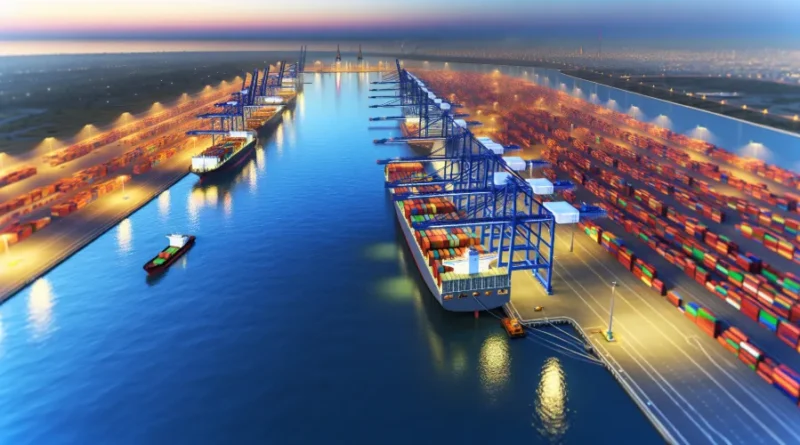
What Global Trade Looks Like After Shipping Decarbonization: 2035 Scenarios
Global trade rarely changes overnight, but shipping is entering a new cost era. Carbon is moving from a background issue to a bill that arrives every voyage. That shift will change routes, fuel choices, and which ports thrive. By 2035, many supply chains will plan around emissions the same way they plan around time.
The next decade will likely bring uneven progress, with some regions moving faster than others. Europe is already setting rules that spread beyond its borders through price and standards. At the same time, fuel supply may lag behind ship technology. These tensions set up clear scenarios for how trade could look in 2035.
The 2035 trade map in flux
Several forces are pushing shipping toward cleaner operations at the same time. Carbon pricing raises day to day operating costs, while fuel standards set long term targets. Ports then react by building new energy services. Together, these changes create a different map for global trade by 2035.
Carbon fees start steering cargo
This section explains how carbon pricing turns emissions into a line item that affects routing and sourcing. It focuses on how rules in Europe can reshape decisions far beyond Europe. It also shows why carbon costs now influence contract terms and voyage planning.
The EU Emissions Trading System, also called the EU ETS, is phasing in maritime coverage from 2024 to 2027. For readers tracking how shipping regulation ties into fleet planning, shipping decarbonization often starts with these kinds of policy signals. Large ships above 5,000 gross tonnes must surrender allowances for 40 percent of 2024 emissions, 70 percent of 2025, and 100 percent from 2027. Around 12,000 ships now fall under the scheme on European Economic Area routes.
Once carbon has a price, shippers stop treating emissions as a free by product of moving goods. Early 2025 estimates put carbon costs around $178 per tonne of fuel oil and $166 per tonne of marine gasoil on intra EU fuel, after costs nearly doubled. Analysts also expect pressure to spread through fuel markets. Some modelling suggests fossil fuel costs could double or triple by 2033 on the most regulated routes.
The most important change is simple: carbon is becoming a visible operating cost across more routes. Europe is moving first through carbon pricing and fuel standards, while global talks point toward a greenhouse gas fee of at least $100 per tonne of emissions. That kind of fee could raise billions in annual revenues and put long haul trades under similar pressure. Many observers expect a two speed shipping world, with regulated corridors moving faster and costing more.
Several signals help indicate how quickly these costs will spread. Watch the EU ETS phase in, since the 40, 70, and 100 percent steps change costs quickly. Track FuelEU targets and shore power build out, since ports will not upgrade at the same pace. Follow green corridor announcements, since they can create new winners among ports and routes.
Fuel choices multiply, supply lags
This section looks at what ships may burn in 2035 and why the fuel rollout may be uneven. It also explains why engine readiness does not automatically mean fuel readiness, as shown in recent fleet readiness analyses. The result is a planning problem that reaches beyond ship operators and into fuel producers.
Industry scenarios suggest the world fleet could be ready for low greenhouse gas fuels before the fuels exist at scale. One forecast projects that by 2030 ships could have capacity to burn more than 50 million tonnes of oil equivalent of low greenhouse gas fuels each year. Actual use today sits around 1 million tonnes, which shows a wide gap between plans and reality. Just under 1,800 alternative fuel capable vessels operate now, with about 1,500 more on order.
A multi fuel future looks likely, but it will come with trade offs. Some pathways that meet climate targets rely on three to four carbon neutral fuels supplying 60 to 100 percent of shipping energy by 2050. Fossil LNG can act as a bridge in early years, then shift toward bio LNG and e LNG, with methanol and ammonia growing on specific routes. As a result, shipping may compete with other sectors for limited green molecules.
Fuel availability and controls will shape which options expand first. LNG may stay attractive where infrastructure is strong, but methane leakage control will matter more in contracts and compliance. Methanol may expand first on routes that can support reliable bunker supply and clear fuel quality checks. Ammonia may grow through corridor deals, especially where ports invest in safety systems and trained crews.
By 2040, one major outlook still expects global LNG demand to rise about 60 percent, driven mainly by Asia and power generation. That growth supports more gas infrastructure, which shipping may use even as rules tighten. However, reports in Europe also note methane emissions from shipping at least doubled from 2018 to 2023, largely linked to LNG use. This makes full lifecycle performance a central issue, not a footnote.
Key takeaways for 2035 planning
By 2035, trade lanes are likely to split between regulated, fuel ready corridors and slower moving routes. That split will influence which ports attract investment and which suppliers gain stable demand. Companies that model cost, fuel access, and compliance together can reduce disruption risk.
By 2050, scenarios that hit climate targets often depend on three to four carbon neutral fuels supplying most shipping energy. Onboard carbon capture and wind assisted propulsion can also reduce total fuel demand over time. Those technologies and fuels will not land evenly across every trade lane by 2035. The businesses that plan for uneven change will handle the next decade with fewer surprises.
Visit the rest of the site for more interesting and useful articles.
